
World April 22, 2026 01:28 PM

Kennedy Agrees to Turn Over Contractor Contract to Senators; Says Protocols Not Yet Written

HHS secretary pledges to share David Geier’s contract by week’s end as questions persist about oversight and protocols

By Derek Hwang
Kennedy Agrees to Turn Over Contractor Contract to Senators; Says Protocols Not Yet Written

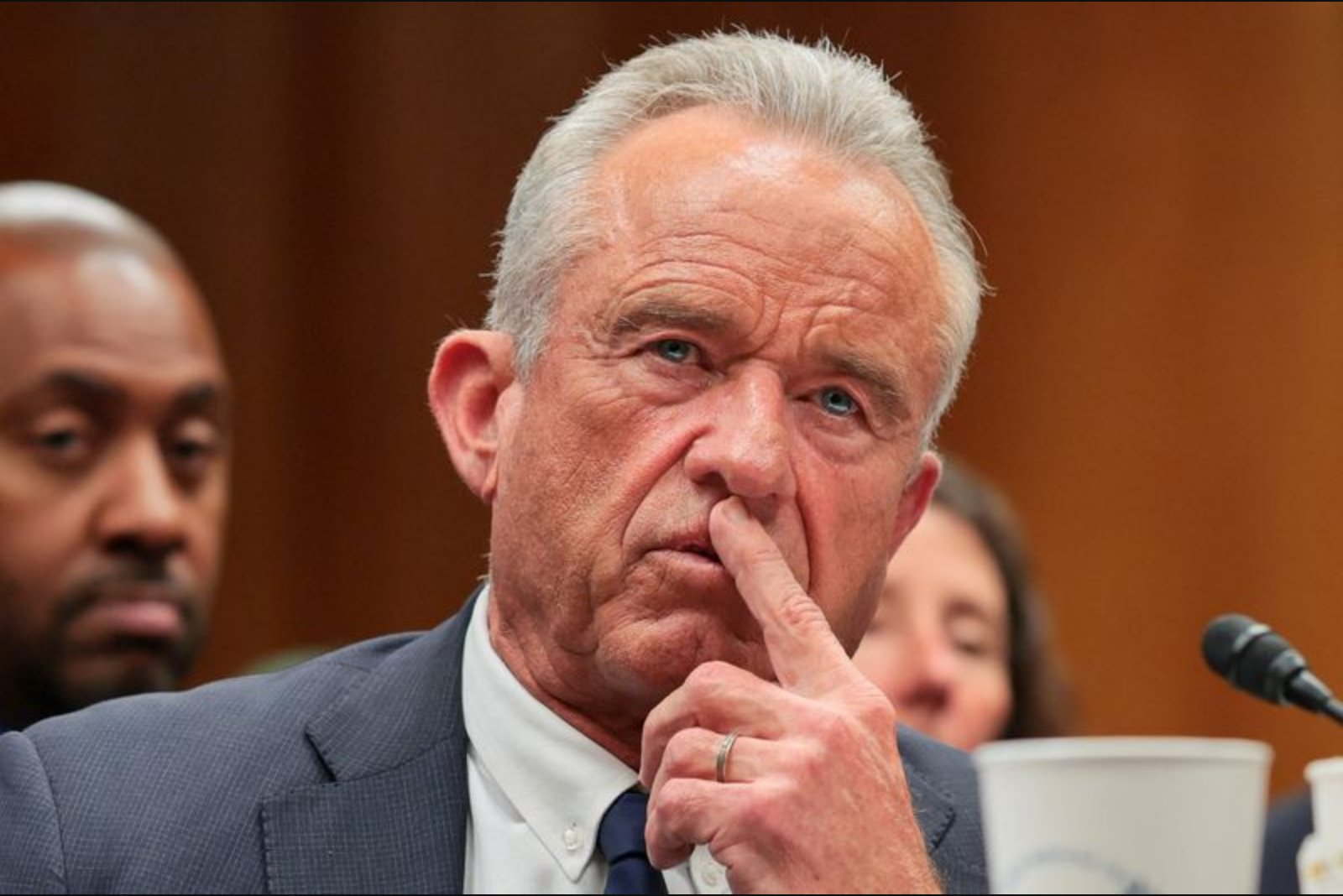
U.S. Health and Human Services Secretary Robert F. Kennedy Jr. told senators he will provide the contract for contractor David Geier to the Senate by the end of the week, while saying the work protocols governing Geier’s role do not yet exist and will be shared when his work is finished. Geier, a long-time anti-vaccine activist listed as a senior data analyst, reports to the Centers for Disease Control and Prevention. Kennedy made the commitment during his sixth congressional appearance in the last week before the Senate Finance Committee.

Key Points

  • Kennedy pledged to provide David Geier’s HHS contract to senators by week’s end; Geier is listed as a senior data analyst and reports to the CDC - sectors affected: public health administration and government oversight.
  • Senator Ben Ray Luján asked about protocols governing Geier’s work; Kennedy said protocols do not exist yet and will be shared after the work is completed - sectors affected: public health and research governance.
  • The contract’s release would be the first official detailed description of Geier’s role; Geier has a documented history of promoting debunked vaccine-autism claims and was previously fined in Maryland for practicing medicine without a license - sectors affected: healthcare and public trust in health institutions.

U.S. Health and Human Services Secretary Robert F. Kennedy Jr. told the Senate Finance Committee on Wednesday that he will share the Department of Health and Human Services contract for David Geier with senators by the end of the week. Kennedy made the remark during his sixth congressional hearing in the span of a week as lawmakers pressed him on the role Geier occupies within the department.

Geier, described in HHS records as a senior data analyst, is employed as a contractor and reports to the U.S. Centers for Disease Control and Prevention. The production of his employment contract would be the first formal, detailed account provided by the department outlining what duties and responsibilities Geier holds.

During the hearing, Senator Ben Ray Luján of New Mexico asked Kennedy whether he would also commit to releasing the protocols that would govern Geier’s work. Kennedy replied that such protocols do not exist at this time, and therefore could not be shared. He added that the protocols would be provided once Geier’s work is complete.

Kennedy has previously said that Geier is leading a vaccine safety review of CDC data. Both Kennedy and Geier have advanced claims linking vaccines to autism that are described in the record as debunked and contrary to established scientific consensus. The committee heard reminders of Geier’s past disciplinary history; Maryland previously fined him for practicing medicine without a license and for prescribing dangerous treatments to children with autism.

The exchange highlights two related transparency issues facing HHS oversight:

  • Whether full documentation of a contractor’s scope and responsibilities will be made available to congressional overseers in a timely fashion.
  • How a department will present methodological or operational protocols when they are still under development.

Kennedy’s commitment to deliver the contract offers a definitive, near-term step toward supplying legislators with concrete documentation of Geier’s appointment and reporting lines. At the same time, his statement that working protocols do not yet exist underscores an unresolved question about how the department intends to record and disclose the design and governance of the review Kennedy says is underway.

Committee members and outside observers remain limited to official records and public testimony for now. Release of the contract would provide the first official, detailed explanation of Geier’s formal role at HHS; the availability and timing of any subsequent protocols will depend on the completion of Geier’s work, according to Kennedy’s testimony.

Risks

  • Lack of existing protocols creates uncertainty about methodological oversight and quality controls for the vaccine safety review - impacts public health research and regulatory confidence.
  • Appointment of a contractor with a history of promoting debunked claims and prior disciplinary action may erode public trust in HHS and the CDC - impacts public health communication and vaccine uptake.
  • Delayed disclosure of operational details beyond the contract could prolong oversight questions and regulatory scrutiny - impacts government oversight processes and institutional reputation.

More from World

Brasilia Revokes U.S. Immigration Officer's Access After Diplomatic Row Apr 22, 2026 Colorado Prosecutor Charges Border Patrol Officer After Durango Protest Incident Apr 22, 2026 Argentina Detains Colombian Linked to Woman Convicted in Murder of Senator Uribe Apr 22, 2026 Meta to Deploy Desktop Logging Software on U.S. Staff to Feed AI Agents Apr 22, 2026 U.S. Condemns African Airspace Denials That Forced Taiwan President to Cancel Trip Apr 22, 2026