
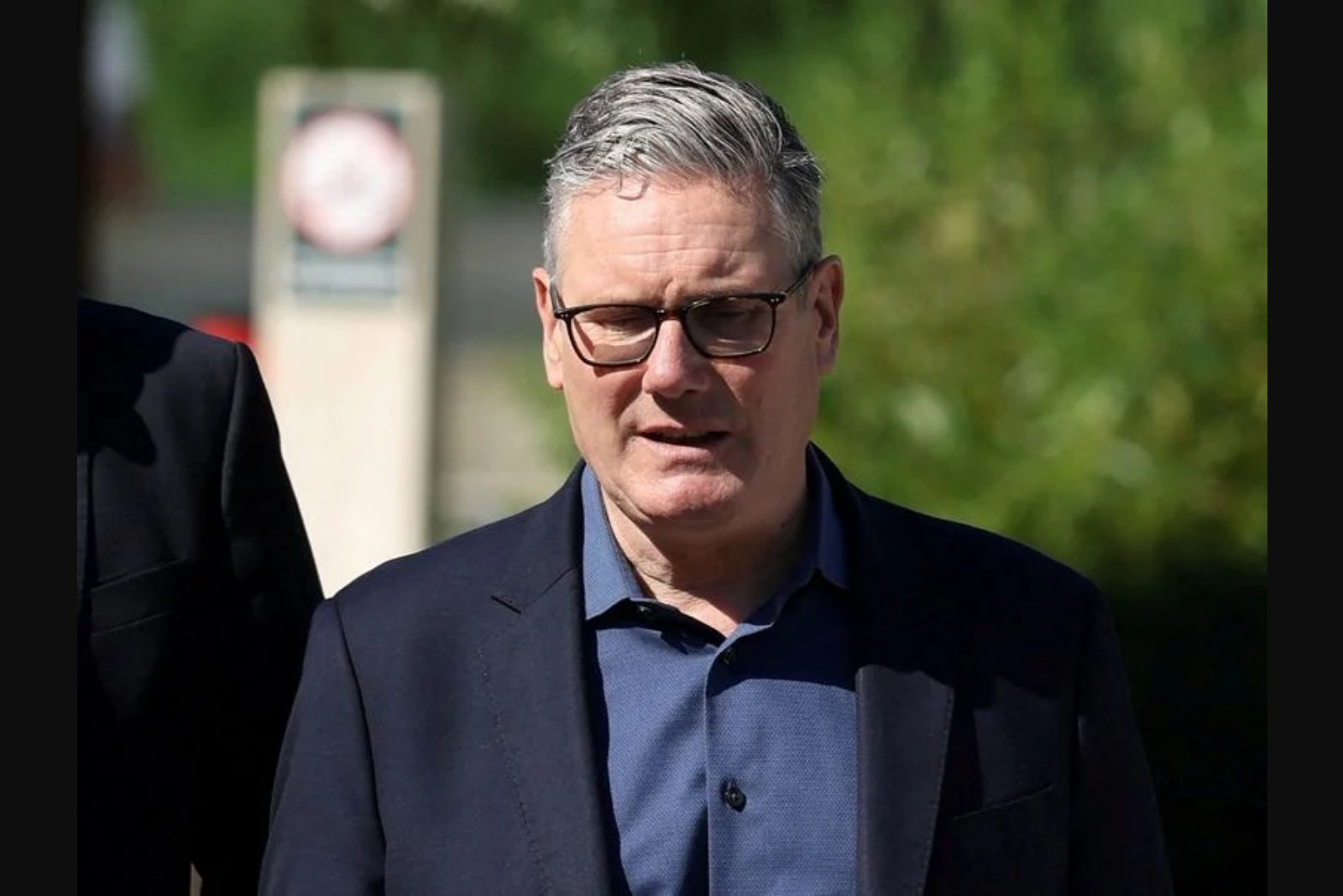
LONDON, June 22 - Prime Minister Keir Starmer is reported to be contemplating announcing a timetable for his departure as early as Monday, a move that could enable an organised transition of leadership to Andy Burnham. The developments follow Burnham’s strong parliamentary election performance, which has sharpened calls within the party for a change at the top.
According to one source who requested anonymity, Starmer spent the weekend weighing whether to step aside or contest any leadership challenge. "Keir likes to think about things," the source said. The comment underscores the deliberative stance of the prime minister as pressure mounts from within his own ranks.
Shifting momentum
The prospect of a leadership change has been building for several months and intensified after Burnham, the mayor of Greater Manchester, won a clear parliamentary victory in a recent election. Burnham defeated a candidate from Nigel Farage’s Reform UK, a party that has topped national opinion polls for more than a year. That result has given some Labour lawmakers renewed confidence that Burnham, noted for his communication skills, might reverse the party’s loss of support under Starmer.
Starmer captured a landslide election victory less than two years ago with a campaign that promised to end a period of turbulent politics. Despite that mandate, his popularity has fallen to the lowest levels recorded for any recent British leader, creating a political climate in which party colleagues are openly debating change.
Questions about policy direction
Burnham has called for ‘‘fundamental change’’ and emphasised the need to reduce the cost of living, but he has not yet provided detailed positions on foreign policy, economic strategy or defence. The article’s source material notes that, like Starmer, Burnham could be constrained by financial and political realities - including bond market resistance to additional borrowing and a public frustrated with persistent problems in living standards and public services.
Britain currently faces the highest borrowing costs among Group of Seven countries, a situation driven by elevated debt and interest payments, weak economic growth, difficulties in trimming spending, and obligations to invest in areas such as defence. Market participants quoted in the source material were split on whether Burnham - who previously said Britain must move "beyond this thing of being in hock to the bond markets" but later said he had been misrepresented - would adopt policies that reassure investors.
Economists at Citibank commented that a Burnham premiership would "inherit a precarious fiscal situation with few tools to deliver meaningful change." This assessment highlights the fiscal constraints any incoming leader would face.
Internal contest and possible deals
Starmer stated he would stand in any formal Labour leadership contest. The former health minister Wes Streeting has indicated he has the backing of the 81 Labour lawmakers required to enter a leadership race. One senior party figure interviewed for the source suggested Streeting might negotiate a deal with Burnham, potentially securing a senior role in return for not contesting the leadership.
Members of Starmer’s team argue that his victory in the 2024 national election provides him with a mandate to remain in office until 2029. Nonetheless, business minister Peter Kyle said on Sunday that the prime minister was reflecting on "the political challenges that he faces in this moment." That language points to an ongoing internal assessment rather than an immediate resolution.
Timing and implications
If Starmer were to announce a timetable for departure from Downing Street on Monday, he would join a series of recent British leaders who have set similar timetables. Should Burnham succeed, he would become Britain’s seventh prime minister since the Brexit referendum a decade ago. The rapid turnover of prime ministers underscores the difficulties successive governments have faced in securing and maintaining voter confidence on issues ranging from living standards and public services to illegal immigration.
The political advisory group Eurasia suggested a possible path that could balance short-term continuity with an orderly handover: Starmer stepping down in September, attending a UK-European Union reset summit in July, and allowing Burnham time to prepare to govern. This scenario would aim to reduce disruption while providing a clear transition timetable, although it remains one of several potential outcomes being discussed inside the party.
Conclusion
The coming days are likely to determine whether Labour pursues an orchestrated leadership handover or a contested race. The choices made will have implications for fiscal policy, market sentiment, and the party’s ability to address long-standing voter concerns about the economy and public services.