
World April 23, 2026 08:43 AM

Son of Iran's deposed Shah Calls on Western States to Act, Criticises German Government

Reza Pahlavi urges Western democracies to join conflict against Tehran and faulted Germany for refusing a meeting amid protests in Berlin

By Maya Rios
Son of Iran's deposed Shah Calls on Western States to Act, Criticises German Government

Reza Pahlavi, son of Iran’s deposed monarch, urged Western countries to join the war against Iran and condemned Germany for declining to meet him during his Berlin visit. He accused European states of standing by as Tehran suppresses protests that he said killed thousands, while demonstrations and an incident involving red liquid took place in central Berlin.

Key Points

  • Reza Pahlavi urged Western democracies to join the war against Iran and criticised Germany for not meeting him during his Berlin visit - impacts diplomatic relations and political risk assessments.
  • He accused European nations of standing by while Tehran conducted a crackdown that he says killed thousands in protests last year - this affects geopolitical risk analysis and human rights considerations for policymakers and investors.
  • Pahlavi’s visit occurred amid stalled conflict-resolution efforts and blockades of the Strait of Hormuz, a route carrying about one-fifth of global oil - relevant to energy markets and global oil supply risk.

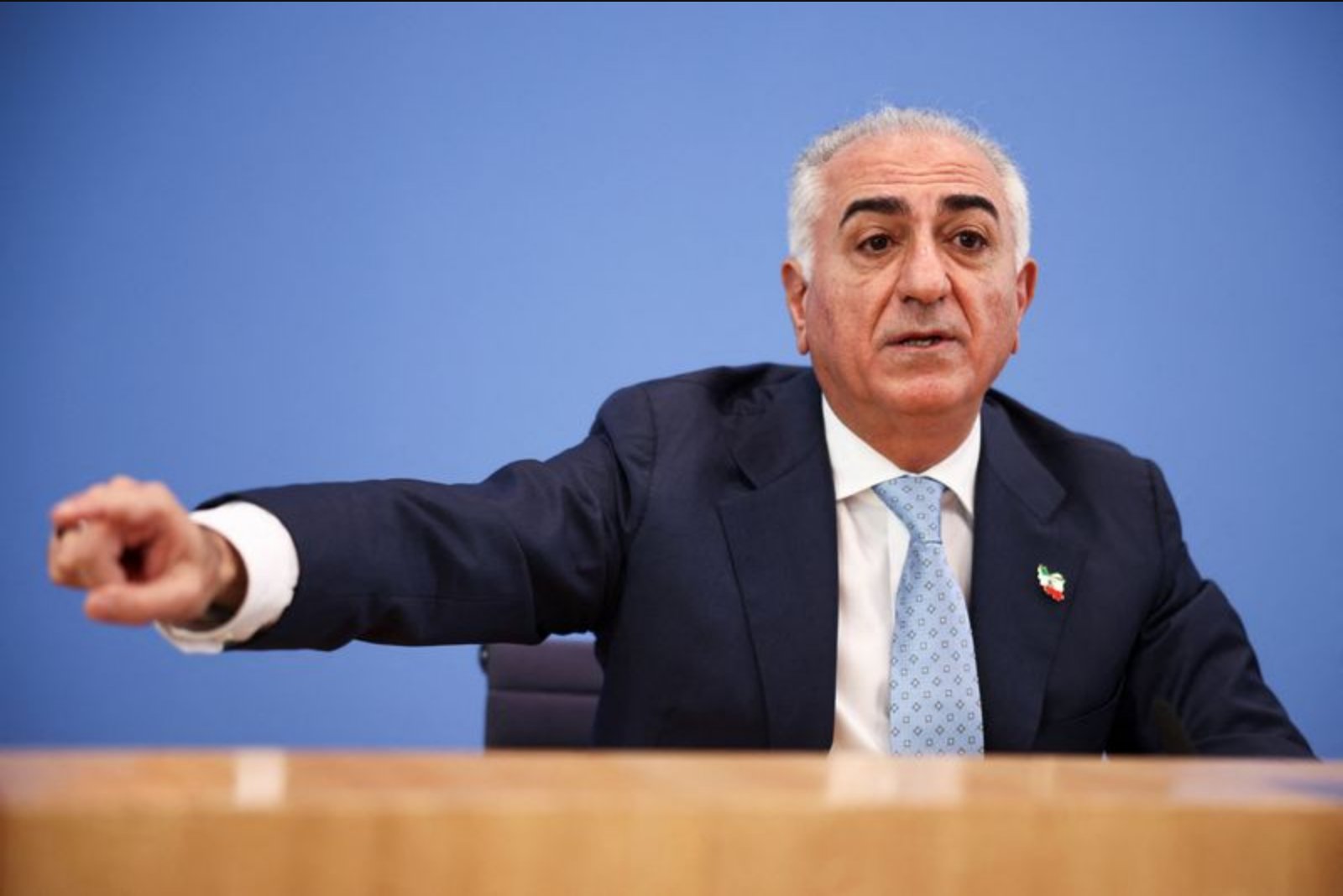
Reza Pahlavi, the son of Iran’s last monarch, appealed to Western governments on Thursday to take a more active role against the Tehran government and criticised the German administration for not meeting him during his visit to Berlin.

At a Berlin press conference, Pahlavi, whose father was ousted in the 1979 revolution that brought Ayatollah Ruhollah Khomeini to power, accused Europe of watching as Iran carried out a violent crackdown on protests that he said left thousands dead late last year. "The question is not whether change will come. Change is on the way," he said. "The real question is how many Iranians will lose their lives while the community of Western democracies continue to merely watch."

Supporters and opponents of Pahlavi held rival demonstrations in central Berlin. During an appearance, a person was detained after Pahlavi was splashed with some form of red liquid, authorities said.

Pahlavi has lived most of his life in exile and emerged as a possible opposition figure after anti-government protests broke out in Tehran and other Iranian cities last year. However, the article notes Iran’s opposition movements remain deeply divided, and Western governments have generally been cautious about granting clear endorsement because the level of his support inside Iran remains unclear nearly half a century after his father’s rule ended.

European countries, including Germany, have ruled out joining the United States and Israel, which opened the war on February 28 with a wave of airstrikes that killed Iran’s Supreme Leader Ayatollah Ali Khamenei. Pahlavi’s trip to Germany comes as efforts to halt the conflict appear to have stalled, with both Iran and the United States maintaining blockades of the strategic Strait of Hormuz, a passage that carries about a fifth of the world’s oil.

He expressed regret that Chancellor Friedrich Merz’s government did not offer a meeting during his visit, saying it was a missed opportunity. "Exercise your prerogative. As democracies, you’re entitled to talk to whoever you want," he said.

The visit and the demonstrations underscore the continuing divisions within Iran’s opposition and the caution among Western states about formal recognition or support. They also coincide with ongoing tensions that have affected key maritime routes for global energy supplies.

Risks

  • Unclear level of domestic support for Pahlavi and deep divisions among Iran’s opposition - uncertainty for political outcomes and any Western endorsement of opposition figures (impacts diplomatic and political risk in markets).
  • Ongoing military actions and blockades of the Strait of Hormuz - continued disruption risk for global oil supplies and energy markets.
  • Cautious stance by European governments, including Germany, on endorsing opposition leaders - potential for diplomatic friction and constrained options for coordinated Western action.

More from World

Italy to Deploy Minesweepers, Escort and Logistics Vessel for Strait of Hormuz Mission Apr 23, 2026 U.N. Examines Smaller Continued Role in Lebanon After UNIFIL Mandate Ends Apr 23, 2026 India, U.S. Continue Constructive Trade Talks Aimed at $500 Billion Target Apr 23, 2026 Airstrikes in Gaza Kill Four, Underscore Fragility of Ceasefire Apr 23, 2026 AIVD Warns Netherlands Faces Unprecedented Security Threats From Russia and China Apr 23, 2026