
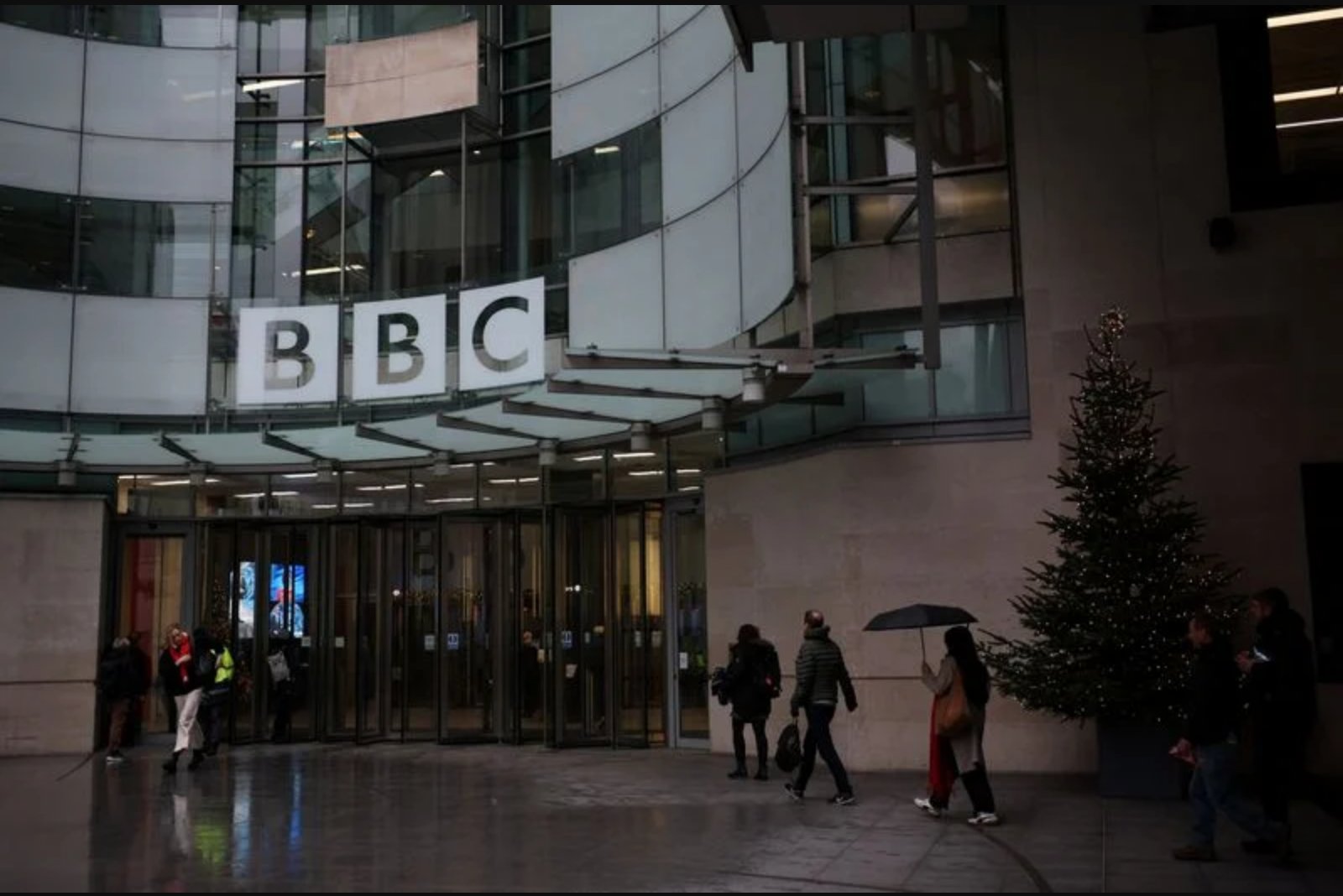
June 8 - A federal judge in Miami on Monday ordered attorneys representing Donald Trump to file an explanation for why they should not be sanctioned for failing to meet a Friday deadline to respond to the BBC's motion to dismiss the president's $10 billion defamation lawsuit.
U.S. District Judge Roy Altman directed the lawyers to explain why sanctions should not be imposed, citing their "apparent disregard of court deadlines." The order follows the missed response date to the BBC's request that the case be dismissed.
A representative for Trump's legal team did not immediately reply to a request for comment on Monday.
The lawsuit alleges that Britain's publicly owned broadcaster intentionally assembled different portions of a speech in a way that created the false impression that Trump had instructed his supporters to storm the U.S. Capitol after his loss in the 2020 presidential election.
The BBC has publicly apologized to Trump, acknowledged an error of judgment and said the edit produced the mistaken impression that he had issued a direct call for violent action. Separately, in a March court filing the BBC argued the lawsuit should be thrown out on the basis that the complaint failed to plausibly allege the broadcaster knowingly published false information or acted with reckless disregard for the truth.
Summary
Judge Roy Altman has required Trump's lawyers to explain why they should not face penalties after missing a deadline to respond to the BBC's motion to dismiss a $10 billion defamation case. The suit claims a BBC edit made it appear the president urged supporters to storm the U.S. Capitol; the BBC has apologized and moved to dismiss, contending the complaint does not adequately plead knowing or reckless false publication.
Key points
- The court has asked Trump’s lawyers to justify why they should not be penalized for missing the response deadline, citing an "apparent disregard of court deadlines" - impacting the legal proceedings and court schedule.
- The central allegation is that the BBC edited parts of a speech to wrongly suggest a direct call to violent action after the 2020 election loss, an issue that touches the media and broadcasting sector.
- The BBC has both apologized and sought dismissal, arguing the complaint fails to plausibly allege that the broadcaster knowingly or recklessly published false information - a procedural argument with potential consequences for litigation risk in media defamation cases.
Risks and uncertainties
- Potential sanctions against Trump's lawyers for missing a court deadline could affect the timing and conduct of the case; this primarily impacts the legal services sector and the court docket.
- The outcome remains uncertain because the BBC has asked the court to dismiss the suit on the grounds that the plaintiff did not plausibly allege knowing or reckless publication; this legal uncertainty affects litigation risk for both parties and has implications for media companies facing similar claims.
- Reputational exposure for the BBC is an unresolved concern after the broadcaster apologized and admitted an error of judgment regarding the edit; this raises questions for the broadcasting and news sectors about editorial controls and public trust.
Further proceedings will depend on the response from Trump's lawyers to Judge Altman's order. The court's interest in enforcing procedural deadlines underscores how adherence to scheduling can shape litigation momentum in high-profile defamation disputes.