
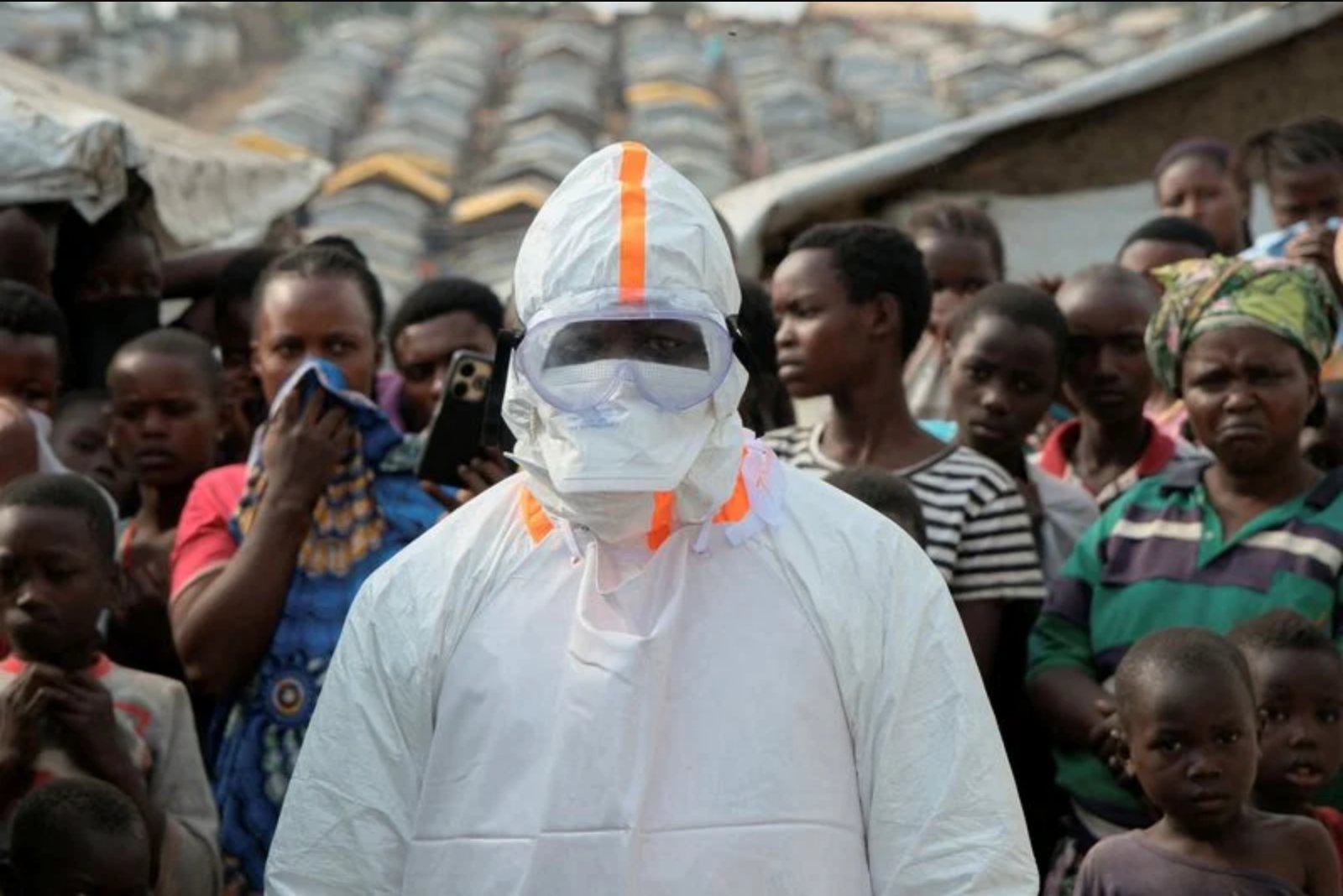
The U.S. government has made stockpiled doses of an experimental antibody therapy from San Diego-based Mapp Biopharmaceutical available for use in the Democratic Republic of Congo, a Department of Health and Human Services spokesperson said. The supplies are being released both for compassionate use in the outbreak zone and to advance clinical trials aimed at assessing the drug's safety and potential efficacy against the current Bundibugyo strain.
The HHS spokesperson declined to disclose the precise quantity of doses that will be supplied, noting by email that the shipments will serve dual purposes - immediate use under compassionate protocols and as investigational material to support a trial in the affected region. The spokesperson added that data generated from those trials may be used to inform future regulatory review, including potential U.S. approval pathways, should the results warrant it.
Health authorities emphasize the urgency of testing medical countermeasures in the field. There are currently no licensed vaccines or therapeutics specifically approved to treat or prevent infection with the Bundibugyo variant. The outbreak has produced more than 1,000 confirmed and suspected cases in the Congo, including in excess of 250 deaths, and a small number of cases and fatalities have been identified in neighboring Uganda.
The World Health Organization told reporters that doses of the Mapp antibody and other investigational treatments intended for trial use are being shipped to the region now. WHO officials said they are coordinating with health partners to prepare health facilities and operational capacity to begin enrolling patients once enrolment can be safely implemented.
The decision marks the first time the U.S. government has signaled it will directly support clinical testing of MBP134 by providing doses from U.S. stockpiles. Previously, U.S. officials had indicated that doses would be reserved for Americans judged to be at high risk following potential exposure to the virus.
U.S. authorities have also committed substantial funding to the broader outbreak response. Officials said the United States has pledged hundreds of millions of dollars to combat the epidemic and is constructing a quarantine facility in Kenya for American citizens - a measure officials described as focused on preventing the spread of the disease to the United States.
Despite the pressing need for new medical tools, the WHO has reiterated that experimental vaccines and therapeutics should be evaluated through clinical trials before they are deployed widely. The WHO declared the outbreak a public health emergency just over a month ago, and it has already reached a scale consistent with the third-largest Ebola outbreak on record. Against that backdrop, the agency and scientists involved in the response said trials of MBP134 and two antivirals from Gilead Sciences are scheduled to begin in the coming weeks.
Vaccines are further behind in development for this outbreak. A senior vaccines official at an international development group indicated that earliest-stage human trials could start as soon as next month, although those Phase 1 studies are unlikely to occur within Congo itself. WHO leaders cautioned that vaccine candidates still require manufacturing scale-up and safety assessment before they can be tested in outbreak hotspots.
Conducting clinical research in the current outbreak setting will be challenging. Global health officials warned that ongoing conflict in parts of the region complicates routine disease testing and contact tracing, fosters mistrust of health workers, generates attacks on response teams, and disrupts supply chains. The WHO said addressing these operational and security issues is a priority for the response and emphasized the need to ensure that, if investigational treatments demonstrate safety and effectiveness, patients in the affected countries will retain access to those medicines after the trials conclude.
MBP134 is planned to be tested both as a monotherapy for Bundibugyo and in combination with Gilead's antiviral remdesivir - known commercially as Veklury - the WHO said. The therapeutic trial for MBP134 is sponsored by the WHO and will be led operationally by the University of Oxford, in collaboration with the governments of the Democratic Republic of Congo and Uganda.
In parallel, an additional Gilead antiviral, obeldesivir, is scheduled to be studied as a preventive option and is expected to enter trial evaluation likely beginning this month. That trial will be co-led by Congo and Uganda together with the Africa Centres for Disease Control and Prevention and co-sponsored by Congo's National Institute for Biomedical Research and France's ANRS Emerging Infectious Diseases agency.
Gilead declined to provide details about shipments of its investigational antivirals to the region, but the company has previously stated it is preparing to support requests for both remdesivir and obeldesivir. Regulatory authorities and ethics committees in both Congo and Uganda are currently reviewing the trial protocols submitted by investigators. The investigational drugs have demonstrated acceptable safety profiles in earlier studies, but they have not been tested specifically for effectiveness against the Bundibugyo strain.
On the vaccine front, WHO Director-General Tedros Adhanom Ghebreyesus has stressed that vaccine trials remain further out on the timeline. Vaccines must be manufactured in sufficient quantities and undergo initial testing to characterize safety and potential side-effects before they can be introduced into outbreak hot spots. Richard Hatchett, chief executive of the Coalition for Epidemic Preparedness Innovations, said Phase 1 trials could begin in July, likely in the United Kingdom and possibly in Uganda.
CEPI has been supporting four vaccine candidates. Hatchett said the first candidates expected to reach human testing are a vaccine developed by Oxford in partnership with the Serum Institute of India and a messenger RNA product from U.S. developer Moderna. "We have the resources, and how the trials will be stood up and implemented, and where the Phase 1s will be done," he said. "Anything beyond that is still being worked out."
As clinical teams and governments move to operationalize therapeutic and vaccine trials, the coming weeks will be critical for gathering evidence on investigational medicines and for determining whether those interventions can be integrated into broader outbreak control strategies. WHO and national partners have underscored that the integrity of trials, protection of participants, and the ability to secure continued access to effective treatments for patients in the region are primary considerations for the response effort.