
Stock Markets November 19, 2026 04:02 AM

Toyota Issues Recall for 314,029 U.S. Vehicles Over Potential Takata Air Bag Hazard

Front passenger inflators from Takata cited for potential rupture risk as units near end of estimated service life; dealer replacements provided at no cost

By Ajmal Hussain
Share
Twitter Reddit Facebook LinkedIn
TM

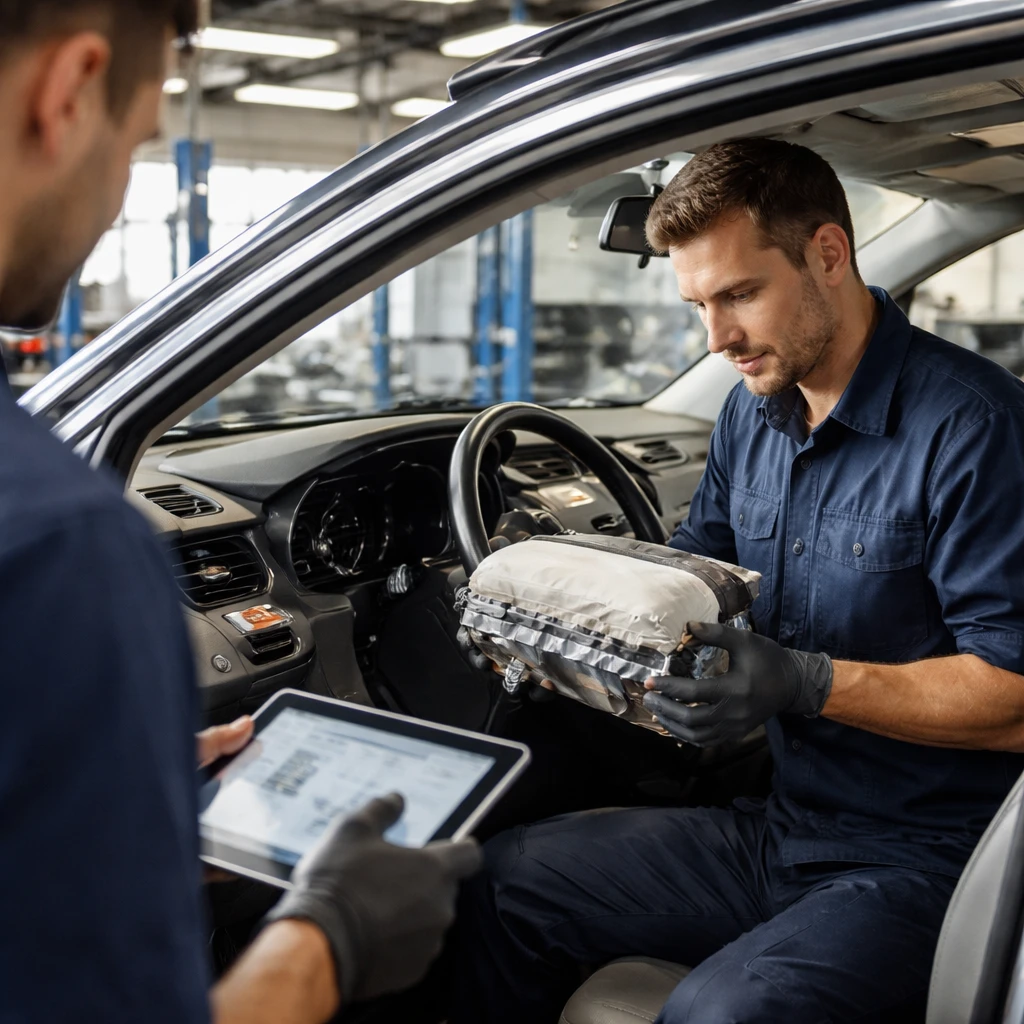
Toyota Motor is recalling 314,029 vehicles in the United States due to concerns that certain Takata-manufactured front passenger air bag inflators could rupture and propel metal fragments toward occupants. The action covers 2002-2017 model-year Lexus and Toyota vehicles. The automaker says it has not received any reports of ruptures and is proceeding with the recall as a precaution; dealers will replace the inflator or the air bag assembly free of charge depending on the model.

Toyota Issues Recall for 314,029 U.S. Vehicles Over Potential Takata Air Bag Hazard
TM
Summarize with
ChatGPT Perplexity Claude Grok Gemini

Key Points

  • Scope of recall - 314,029 vehicles in the U.S. covering 2002-2017 model years across Lexus and Toyota nameplates.
  • Safety mechanism - Certain Takata front passenger air bag inflators may rupture due to propellant degradation after prolonged exposure to high humidity and high temperatures.
  • Remedy and cost - Dealers will replace the inflator or the full air bag assembly where required at no cost to vehicle owners.

Toyota Motor has initiated a recall affecting 314,029 vehicles in the United States after regulators identified a potential safety hazard with front passenger air bag inflators made by Takata. The National Highway Traffic Safety Administration (NHTSA) announced the recall, which spans model years 2002 through 2017.

The list of affected vehicles includes select Lexus models - SC430, IS250 and GX460 - alongside Toyota models such as the Corolla, Tundra, Sequoia and 4Runner. According to the NHTSA recall filing, Toyota has not received any reports of inflator ruptures in the vehicles covered by this action.

The automaker's notification to NHTSA says the subject inflators are approaching the end of their estimated safe service life and therefore could rupture if the front passenger air bag deploys. Toyota and NHTSA describe the move as a precautionary recall to address that elevated risk.

NHTSA explained that certain Takata front passenger air bag inflators can fail as a result of propellant degradation. That degradation is linked to extended exposure to environments that combine high humidity, sustained high temperatures and repeated high-temperature cycling. When degradation advances, the inflator may rupture during deployment and send metal fragments toward vehicle occupants.

As part of the recall remedy, dealers will replace either the front passenger air bag inflator or, where required by the specific vehicle design, the entire air bag assembly. These repairs will be performed at no cost to vehicle owners, the agency stated.

This recall covers a broad range of model years and vehicle types, and Toyota's announcement emphasizes the preventive nature of the action. The company and regulators are relying on dealer-performed replacements to mitigate the risk posed by inflators nearing the end of their estimated service life. Owners of affected vehicles should expect follow-up communications with instructions on scheduling free repairs through authorized dealers.


Note: The recall notice and related statements reflect the content provided by the regulator and the automaker; Toyota has reported no incidents of inflator rupture among the recalled vehicles to date.

Risks

  • Potential air bag inflator rupture if deployment occurs while the inflator is near the end of its estimated safe service life - impacts vehicle safety and owner confidence in affected models.
  • Environmental degradation - Extended exposure to high humidity, sustained high temperatures and high temperature cycling can degrade propellant and increase failure risk - affecting owners in susceptible climates.
  • Uncertainty on incident occurrence - Toyota has not received reports of ruptures in the recalled vehicles, leaving the immediate real-world incident rate unclear.

More from Stock Markets

Year-end outages pose a risk to consumption-based infrastructure software, Bernstein says Nov 27, 2026 Two American Airlines Planes Sustain Wing Contact While Taxiing at Reagan National Nov 27, 2026 Black Friday Offer: InvestingPro at 60% Off — AI-Driven Picks Highlight Strong November Returns Nov 27, 2026 Budget Down Jackets Gain Traction as Shoppers Question Premium Outerwear Prices Nov 27, 2026 Retirement Wave Fuels Ameriprise Revenue Growth Even as Advisor Costs Rise Nov 27, 2026