
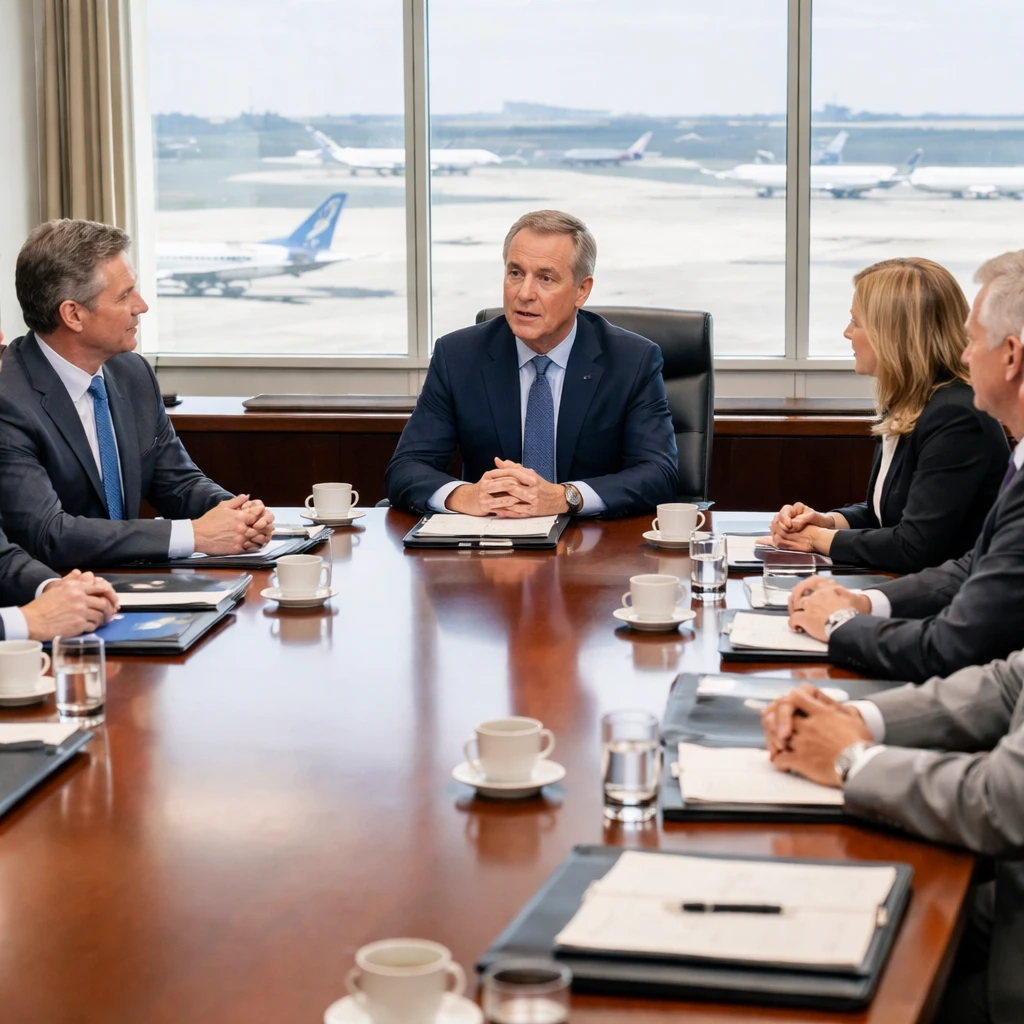
Executives from leading low-cost U.S. airlines will convene Tuesday with U.S. Transportation Secretary Sean Duffy to request short-term tax relief intended to offset a recent surge in jet fuel prices that the carriers link to the war with Iran. The meeting follows a formal appeal to Congress from the group representing those carriers.
Last week, a coalition that includes Spirit Airlines, Frontier Airlines, Allegiant Air, Sun Country and Avelo sent letters to congressional leaders seeking legislation to suspend two specific passenger-level levies: the 7.5% federal excise tax on airline tickets and the $5.30 per segment tax. The Association of Value Airlines, which represents these carriers, calculates that eliminating those fees temporarily would cover about one-third of the incremental costs they are facing from higher jet fuel.
The relief the carriers are requesting would take the form of a temporary suspension of existing passenger taxes that currently apply to domestic air travel. The group frames the measure as a partial offset to what it describes as soaring jet-fuel costs resulting from the ongoing conflict with Iran.
The low-cost carrier segment is described by the group as being under mounting pressure from elevated fuel expenses. The companies represented in the coalition are urging both the executive branch and Congress to act on a near-term solution that targets passenger tax policy rather than other levers.
While the coalition quantifies the benefit as offsetting approximately one-third of the additional fuel cost, it is seeking a legislative path to implement that relief through suspension of the cited passenger taxes. Beyond that request, the letters and the scheduled meeting highlight the carriers' focus on immediate, targeted tax changes tied to domestic travel.
Summary
CEOs of major low-cost carriers will meet with Transportation Secretary Sean Duffy to press for temporary suspension of the 7.5% federal excise tax on tickets and the $5.30 per segment tax. The Association of Value Airlines says waiving those fees would offset about one-third of incremental jet-fuel costs linked to the war with Iran.
Key points
- Executives will meet Tuesday with U.S. Transportation Secretary Sean Duffy to seek temporary tax relief.
- The request asks Congress to suspend the 7.5% federal excise tax on airline tickets and the $5.30 per segment tax for domestic travel.
- The Association of Value Airlines says the proposed suspension would offset roughly one-third of the carriers' additional jet-fuel costs; the group includes Spirit, Frontier, Allegiant, Sun Country and Avelo.
Risks and uncertainties
- Fuel costs remain elevated and are tied in the coalition's appeal to the conflict with Iran, creating continued pressure on carrier operating costs.
- Relief depends on legislative action by Congress and is not guaranteed; the outcome of that process is uncertain.
- Any suspension would only partially offset higher fuel expenses, as the coalition quantifies the benefit at about one-third of the incremental cost.