
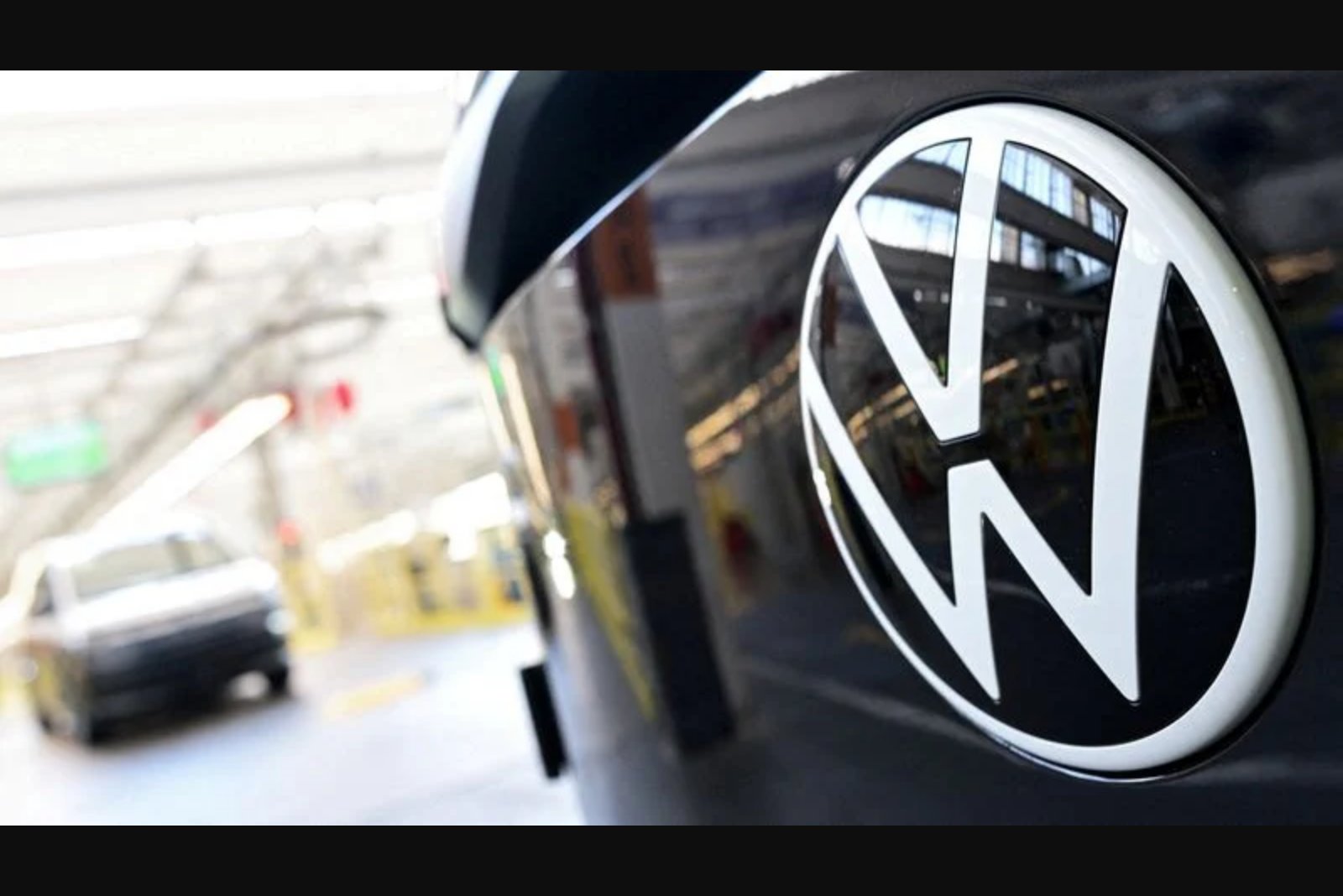
Volkswagen is considering a plan that could close four factories in Germany and reduce headcount by as many as 100,000 workers - a potential restructuring that observers say might become the largest in the history of the auto industry. The company has pointed to intensifying competition from Chinese rivals, stiff tariffs on car imports into the United States and dwindling demand in Europe, saying those pressures make its current business model unsustainable.
Below is a factual listing of some of the largest workforce reductions announced by global carmakers in recent decades. Each entry includes the timing, the number of jobs affected and the details provided at the time.
-
General Motors, December 1991 - Laid off: 74,000
General Motors unveiled a plan to cut 74,000 jobs and close 21 plants as the auto industry struggled with staggering losses amid weak demand and more competition from Japanese carmakers.
-
General Motors, 2006-2009 - Laid off: 60,500
Between 2006 and 2009, the automaker slashed 60,500 factory jobs, described as half of its factory work force. The company also planned to cut 20% of its white-collar workforce, but did not provide absolute figures. Its salaried employees count stood at 110,000 in December 2005.
-
General Motors, February 2009 - Laid off: 47,000
In February 2009, General Motors said it would cut 47,000 jobs over the year as part of a restructuring program in which the automaker also said it would need $30 billion in taxpayer funding to survive.
-
Ford Motor, January 2002 - Laid Off: 35,000
In 2002, Ford said it would cut 35,000 jobs worldwide, close five North American plants and slash its production capacity by 16% as part of a sweeping restructuring plan.
-
Volkswagen, January 1993 - Laid Off: 30,000
Volkswagen said it would cut 30,000 jobs in plants worldwide by the end of 1994, as part of a plan set by its four marques, VW, Audi, SEAT SA and Skoda.
The entries above provide a benchmark for the scale of workforce reductions that have been announced in the automotive sector. The current discussions at Volkswagen, if they result in plant closures and the upper-range job losses cited, would sit at or above the largest of the prior announcements listed here.
These past actions show that large-scale job reductions have been deployed multiple times across the industry as firms sought to realign capacity, reduce costs and respond to changing competitive and demand conditions.