
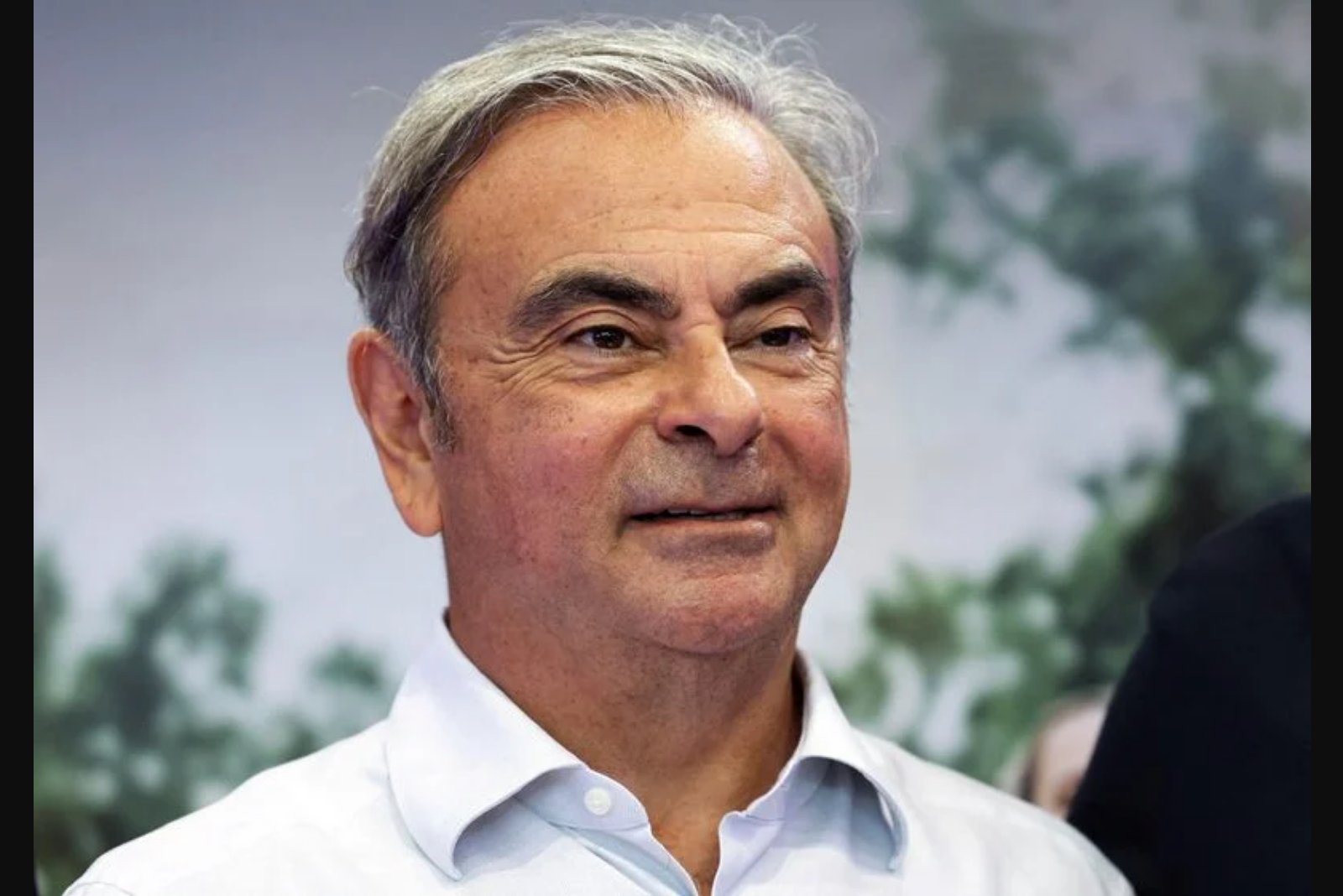
Carlos Ghosn, the former long-serving chair of Nissan Motor, told reporters that recent calls by some shareholders for him to return reflect deep frustration over what he described as years of unsuccessful turnaround efforts since his removal in 2018. Ghosn accused current leadership of allowing value to be eroded and of losing strategic direction during his absence.
Speaking about investor sentiment, he said shareholders "had enough" after three successive CEOs were unable to restore the company. His comments followed Nissan’s annual meeting, where CEO Ivan Espinosa confronted visible shareholder anger and at least one investor put forward a proposal to reinstate Ghosn. That proposal did not succeed, with shareholders overwhelmingly backing the existing board.
Shareholder anger and management criticism
Ghosn characterized the reaction among some investors as understandable and rooted in disappointment. "It’s a reaction with plenty of common sense," he said. "You can feel the anger and the frustration of the shareholders."
He flagged a series of metrics and developments he views as evidence of managerial failure: an 80% drop in Nissan’s share price since 2018, annual vehicle sales down to about 3 million from more than 5 million, plant closures, job cuts and an overall weakening of the company’s financial position.
Ghosn recalled his own record at Nissan, including the role he played in pulling the company back from a precarious position following a 1999 rescue by Renault. He noted his subsequent prominence in Japan and acknowledged that allegations of financial misconduct later tarnished that legacy. He has lived in Lebanon since leaving Japan in late 2019 while awaiting trial on financial misconduct charges, which he denies, saying he was the victim of a plot by Nissan executives and Japanese officials.
Industry pressures and strategic debates
Ghosn placed Nissan’s problems in the context of the firm’s own strategic choices. He said the company had shifted into slow decision-making and adopted an overly defensive posture, retreating from markets rather than meeting intensifying competition head on. He expressed the view that advisory input would be insufficient to right the company and that what Nissan needs is decisive executive authority.
"The only job to save the company is a CEO job," he said. "It has to be somebody who is really the decision-maker. There is an emergency in Nissan, and tough decisions have to be made."
He also made a direct claim about his own suitability for that role: "If there is one person or one profile today who can make it happen, it’s mine," he said. "I’m not saying it because I’m arrogant. I’m saying it because of the facts. I’ve done it already once. I know the company from all the angles."
Ghosn warned that if Nissan did not change course it could become a small affiliate of a larger firm, most likely a Chinese company, drawing a parallel to the crisis Nissan faced prior to Renault’s 1999 intervention - "but with less hope."
Responses inside and outside Nissan
Nissan did not immediately respond to a request for comment on Ghosn’s remarks. Within broader industry commentary, analysts and some Nissan insiders have argued that under Ghosn’s past leadership the company emphasized sales volumes at the expense of profitability, a strategy they say left Nissan dependent on lower prices and weakened its brand. In contrast, CEO Ivan Espinosa has emphasized boosting value by increasing profit per vehicle, even as the company sells fewer cars.
Macquarie analyst James Hong, speaking about the shareholder proposal to restore Ghosn, said: "They just miss the glory times of Nissan." He added that he was unsure the suggestion made economic sense or was realistic and noted the industry had changed considerably since Ghosn’s era.
Personal reflections and regrets
Ghosn, who holds French, Lebanese and Brazilian citizenship, said he regretted accepting another term leading Renault in 2018 and that he should have retired after achieving his objectives within the alliance. "This was a big mistake," he said.
The debate over Nissan’s leadership and strategy highlights a broader tension between shareholders’ desire for rapid results and management’s efforts to reposition the business amid changing industry dynamics.