
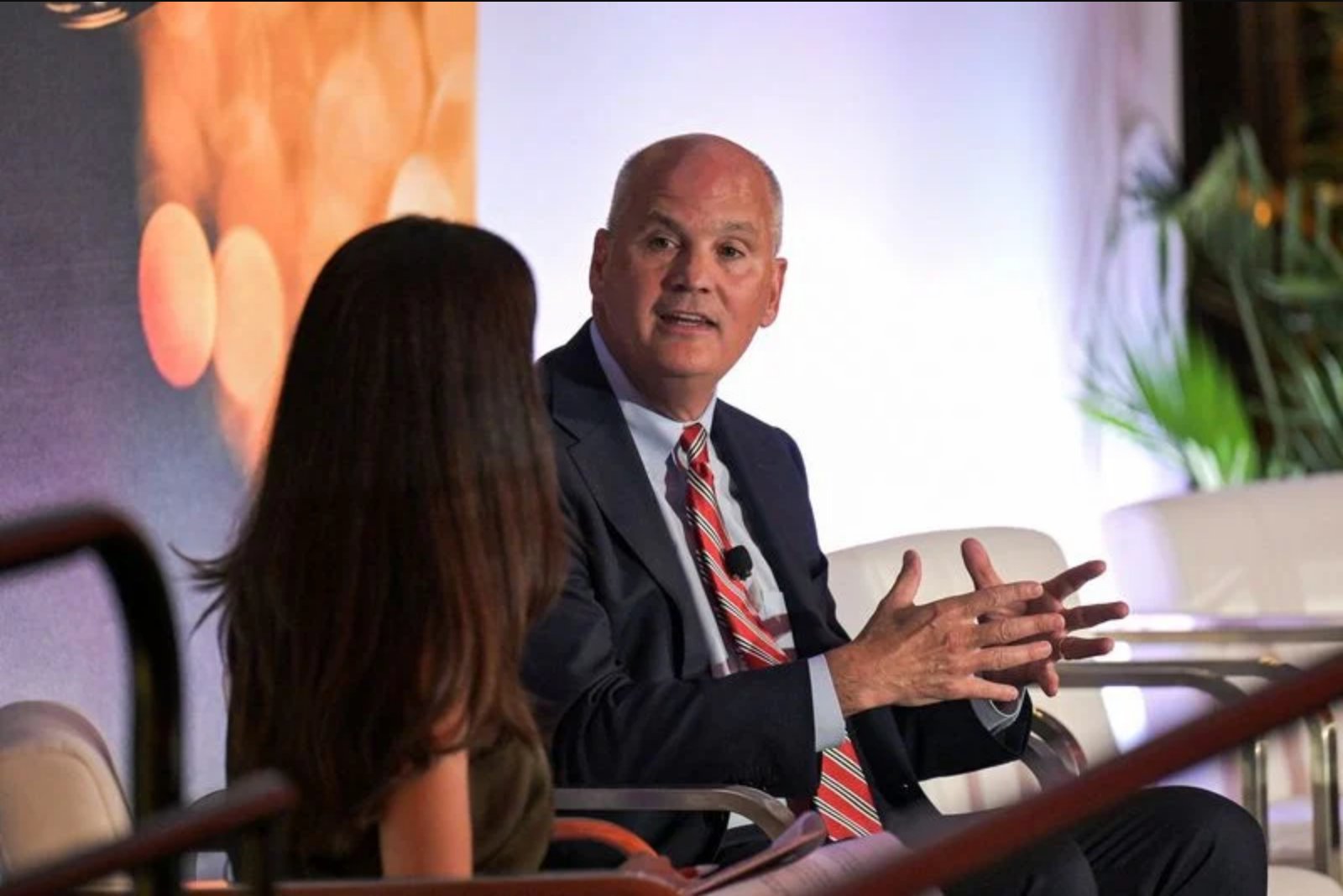
Speaking at the Reuters Global Energy Forum in New York on June 23, Consolidated Edison CEO Tim Cawley said the company needs to "upsize" portions of its grid equipment to handle longer, deeper heat waves without pursuing a complete overhaul of the electricity system.
Cawley described the operational stress that extended hot periods place on distribution assets, arguing that targeted increases in component capacity can preserve reliability while avoiding the expense and disruption of reconstructing the grid top to bottom. He emphasized that the approach should focus on strengthening select equipment so it can "meet that moment."
Rather than advocating a fundamental redesign, Cawley urged more intensive use of existing and emerging tools to manage load and costs. He recommended better integration of rooftop solar, battery storage, demand response programs and richer grid data to boost system efficiency and contain expenses for customers.
The Con Edison chief executive also commented on evolving demand patterns. While acknowledging rising power needs linked to data centers, he said Con Edison is currently seeing roughly 60 megawatts of that incremental demand - far below the roughly 800-megawatt scale cited by some other utilities. He stressed that the principal drivers of longer-term load growth remain electrification of transport and heating.
Cawley expressed support for utility-owned large-scale renewable projects, particularly those sited upstate and connected by transmission to serve denser downstate load centers. He said better transmission linkages can help align resources with customer demand.
On the operations front, he pointed to artificial intelligence and improved real-time visibility as tools that can enhance grid performance. With expanded telemetry and data from smart meters, the company can more precisely optimize voltage, reduce consumption, cut emissions and lower customer bills while preserving reliability.
Summary
Consolidated Edison plans to strengthen specific grid components to withstand more frequent and prolonged heat waves, leveraging distributed energy resources and improved grid data rather than pursuing a fundamental system rebuild. Management notes modest near-term data center load relative to some peers and supports utility-scale renewables tied to transmission to meet downstate demand.
Key Points
- Company will upsize selected grid equipment to better endure long, hot heat waves - impacts utilities and electrical equipment sectors.
- Con Edison favors greater use of rooftop solar, batteries, demand response and grid data to boost efficiency and limit costs - relevant to renewable energy, storage, and smart grid markets.
- Data center demand seen by Con Edison is about 60 megawatts versus some utilities citing roughly 800 megawatts; electrification of transport and heating remain the main load growth drivers - affecting transport electrification and heating sectors.
Risks and Uncertainties
- Prolonged heat waves could continue to strain equipment if upsizing and other mitigations are insufficient - risk to utility reliability and capital spending.
- Reliance on distributed resources and grid data requires successful deployment and integration of technologies like rooftop solar, batteries and smart meters - execution risk for grid operators and technology suppliers.
- Plans that depend on transmission-linked, utility-owned renewables may face logistical and permitting challenges not detailed here - potential uncertainty for project timelines and costs.