
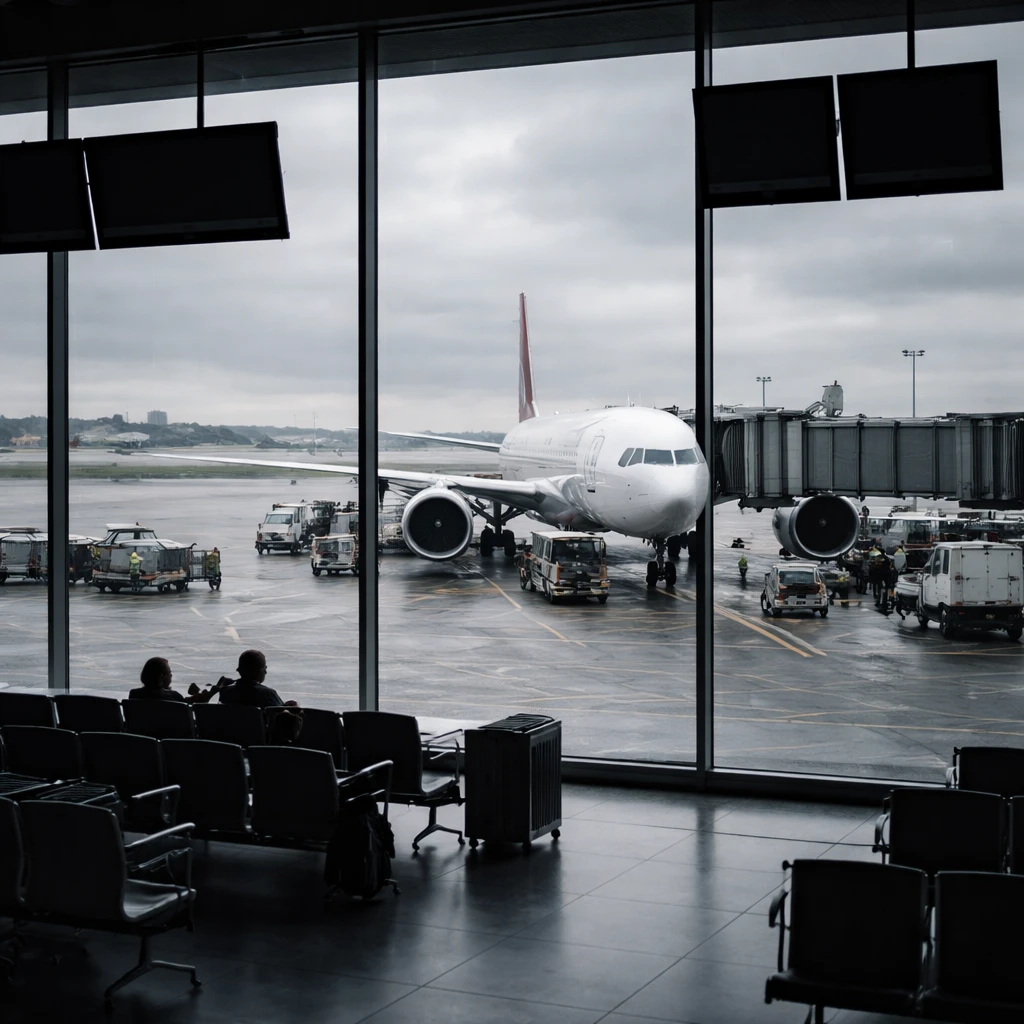
Air India is shifting away from an aggressive growth agenda to concentrate on tightening its finances, with its majority owner Tata Group directing the airline to prioritize loss reduction, according to people familiar with the matter. The carrier plans to defer incoming aircraft deliveries, trim flight schedules and delay parts of its expansion program as it seeks to slow the pace of cash outflows.
The change in course follows a year marked by a fatal crash and a reported annual loss of approximately $3 billion. The carrier had previously pursued rapid growth, but recent events and financial strain have prompted a re-evaluation of that strategy.
Negotiations are underway with both Airbus SE and Boeing Co. to slow the delivery schedule for up to 500 aircraft that Air India had ordered. Delaying deliveries would push back the large payments that become due when new jets are handed over, helping to preserve cash in the near term.
Alongside discussions with manufacturers, Air India is reassessing plans for domestic and international network expansion. The carrier is expected to cancel some routes under consideration and postpone the start of services at a number of airports. One specific project named in the reassessment is the planned launch of flights to and from the new Noida International Airport near New Delhi, which will see delayed activity under the revised plan.
Tata Group, which acquired the national carrier in 2022, has instructed Air India to temper its previous expansion focus and concentrate on stabilizing current operations while implementing cost-saving measures. Earlier this year the airline had already cut flights in response to disruptions related to the Iran war and airspace shutdowns, measures that further impacted operations.
Despite growth in revenue and passenger demand tied to India’s economic expansion, Air India - operating both a full-service airline and the low-cost Air India Express unit - has remained unprofitable for more than a decade. The latest measures reflect an effort to bring the carrier’s finances under control without introducing new external capital plans publicly.
The carrier’s move to slow fleet deliveries and scale back route launches affects multiple stakeholders across the aviation ecosystem, including aircraft manufacturers, airport operators and service providers that had anticipated increased traffic. The immediate focus, however, is on reducing headline losses and pausing elements of the growth plan until a more sustainable cost structure is in place.