
Qatar’s finance minister raised an urgent alarm at the International Monetary Fund’s spring meetings in Washington, saying the global economy faces a significantly larger shock in the months ahead if the Strait of Hormuz remains shut and trade limits persist for countries reliant on natural gas, fertilizers and helium.
Ali bin Ahmed Al Kuwari said the rise in energy prices observed so far likely represents only "the tip of the iceberg," and that the full economic consequences could begin to materialize "in one or two months." He warned that those effects will be sizable and widespread as the conflict continues.
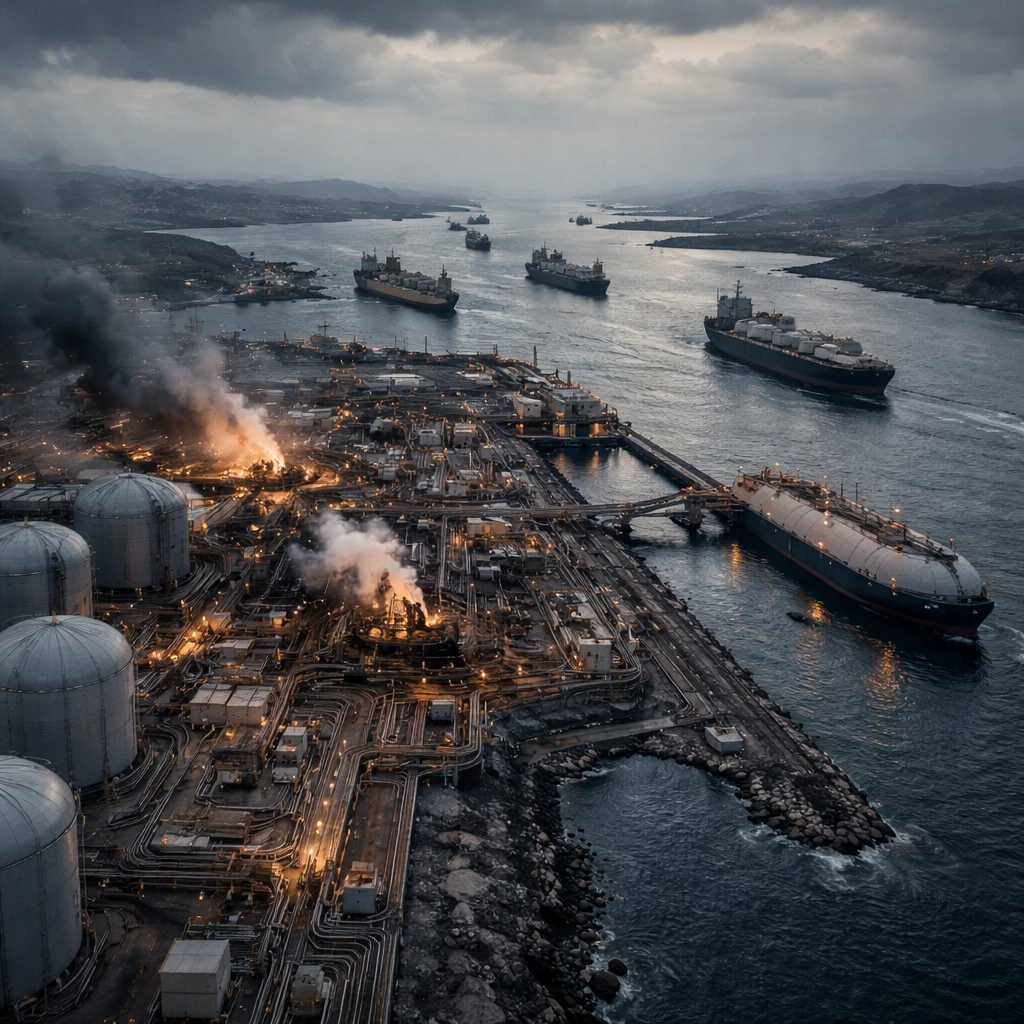
The minister highlighted damage sustained in March at Qatar’s Ras Laffan liquefied natural gas facility, which supplies nearly one-fifth of global LNG exports. That impairment, he said, has set in motion a global gas supply crunch. Al Kuwari estimated repairs and a return to previous export levels could take about five years.
Helium, another export highlighted by the minister, is also under strain. Qatar accounts for roughly 30% of the world’s helium output, a material the minister specifically linked to chipmaking. Reduced helium flows carry implications for semiconductor manufacturing capacity where that input is required.
Al Kuwari painted out a potential chain of disruptions: an energy price shock that evolves into actual energy shortages in some countries - to the point where governments "won’t have enough energy to light up their countries" - combined with a fertilizer squeeze that could translate into a food crisis.
The minister’s remarks place particular emphasis on how concentrated supply of a few critical commodities - LNG and helium among them - can transmit geopolitical shocks into tangible shortages and price pressure across multiple sectors. The warning points to near-term timing for material economic pain while also flagging a multi-year recovery timeline for damaged production infrastructure.
Summary
At the IMF spring meetings, Qatar’s finance minister cautioned that a closed Strait of Hormuz and trade constraints affecting natural gas, fertilizers and helium could trigger a significant economic downturn within months. Damage to the Ras Laffan LNG facility has already reduced global gas supply and may take about five years to fully repair. Helium export concerns add pressure on chipmaking, and fertilizer shortfalls could risk food security in affected regions.