
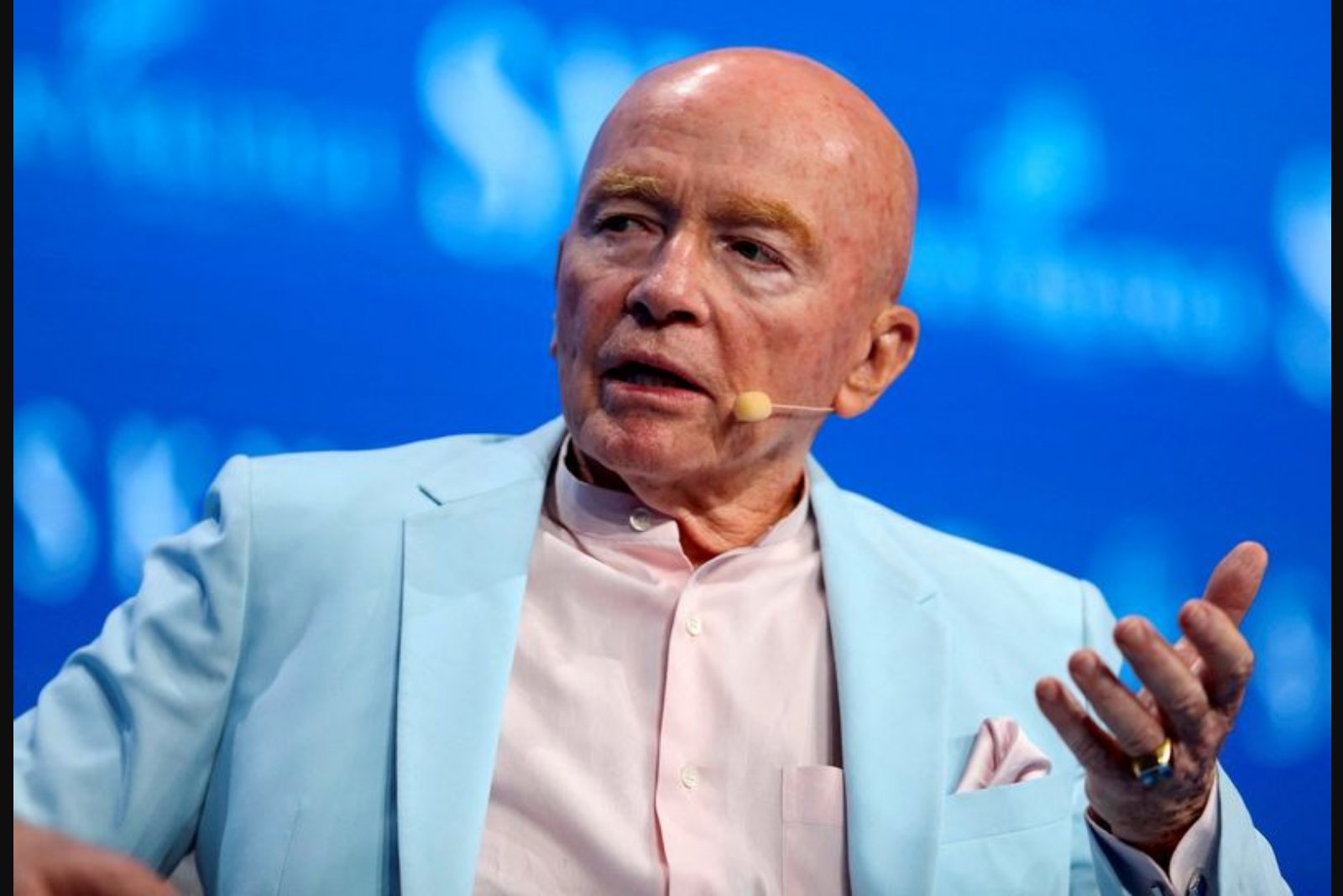
Mark Mobius, a central figure in the development of emerging markets investing and often described as the "Indiana Jones of emerging markets" for his willingness to explore challenging jurisdictions, died on Wednesday at the age of 89, according to a statement posted on his LinkedIn page. The post did not state a cause of death.
Mobius built a reputation for seeing opportunity where others saw only instability. In his book Passport to Profits he urged investors to view market swings as a signal rather than a deterrent, writing that "Volatility is not an enemy to fear but a sign that opportunity is close at hand." That contrarian thesis guided a career spent seeking undervalued businesses and economies that were often overlooked by mainstream investors.
Even in recent months he continued to flag potential openings. In January he wrote about Venezuela, saying that "with (President Nicolas) Maduro’s exit, we may see a new political and economic order and the country could be reopening to investors." His willingness to comment on politically sensitive markets underscored the scope of his engagement with emergent economies.
Mobius' books combined elements of travelogue and instruction, offering readers not only market analysis but also human context. In The Little Book of Emerging Markets he argued that understanding a market starts with its people, writing, "If you want to understand a market, start with its people." He frequently said that insights often emerged from direct observation - factory tours in Brazil, meetings with privatization officials in Poland, and conversations with shopkeepers in the Philippines were examples he cited.
For more than three decades he served as executive chairman of Templeton Emerging Markets Group, making tireless travel a hallmark of his approach. He claimed to have visited at least 112 countries and often toured dozens of nations in a single year in search of investment ideas. His public profile and calm, knowledgeable demeanor helped reassure Western investors who were wary of political risk, currency swings, and opaque corporate governance in newer markets.
Born Joseph Bernhard Mark Mobius in Hempstead, New York, he was the son of Puerto Rican and German parents. He earned a Ph.D. in economics from MIT in 1964 with a thesis on communication satellites. His early pursuits were varied - he initially studied fine arts and later worked in roles that included a talent agency, teaching, marketing Snoopy products in Asia, and political consulting - before focusing his career on investment in emerging economies.
Mobius' convictions influenced a generation of fund managers and helped channel billions of dollars into markets once widely dismissed as peripheral. His books offered an unusually human lens on global finance, melding practical guidance with observations from extensive travel.
Following his death, Mobius Investments said that partners John Ninia and Eric Nguyen will assume leadership responsibilities at the firm. The LinkedIn statement announcing his death did not provide further details on circumstances surrounding his passing.
Contextual note: This report reflects the information included in the statement posted on LinkedIn and in Mobius' published writings. Where the publicly posted announcement omitted details - for example a cause of death - those specifics are not available in the material referenced here.