
Economy May 6, 2026 08:49 AM

Lula to Raise Trade Measures, Pix and Deforestation with Trump in Washington

Finance minister says Brazil will engage constructively on tariffs and organized crime cooperation during Thursday meeting

By Priya Menon
Share
Twitter Reddit Facebook LinkedIn

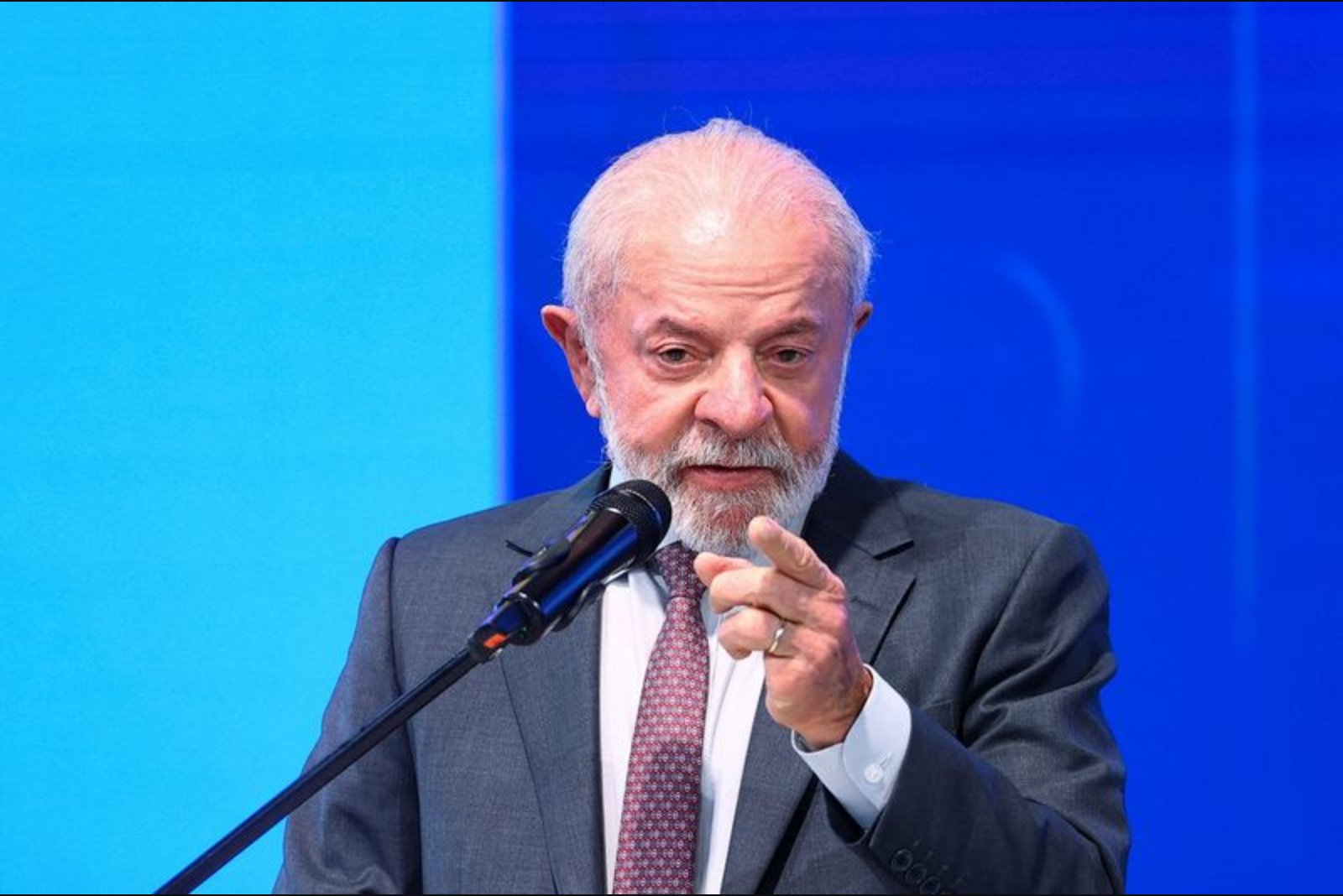
Brazilian President Luiz Inacio Lula da Silva will meet U.S. President Donald Trump in Washington on Thursday to discuss tariffs and cooperation against organized crime, and Brazil says it is prepared to address U.S. concerns about its instant payments system Pix and deforestation rates, Finance Minister Dario Durigan said.

Lula to Raise Trade Measures, Pix and Deforestation with Trump in Washington
Summarize with
ChatGPT Perplexity Claude Grok Gemini

Key Points

  • Brazil will discuss tariffs and cooperation on organized crime with U.S. President Trump during a Washington meeting on Thursday - impacts trade and security sectors.
  • The U.S. launched a 2025 probe examining Brazilian policies including Pix, ethanol market access and illegal deforestation - relevant to financial services, agriculture/energy and environmental sectors.
  • Finance Minister Dario Durigan said Brazil is ready to address concerns and push back against lobbying related to Pix, signaling active defense of domestic financial infrastructure.

SAO PAULO, May 6 - Brazil's president, Luiz Inacio Lula da Silva, is set to take up trade measures and law-enforcement cooperation with U.S. President Donald Trump at a Washington meeting on Thursday, Brazilian Finance Minister Dario Durigan said.

Speaking to state broadcaster EBC on Wednesday, Durigan described the approach to the encounter as constructive. "We are preparing to engage with Trump in a constructive manner," he said, adding: "I’m very optimistic about this conversation."

The minister outlined the main topics likely to figure in talks between the two leaders, noting that trade frictions and mutual efforts to counter organized crime are on the agenda.

  • Trump imposed steep tariffs on U.S. imports of Brazilian goods last year, but later revoked most of them.
  • The U.S. in 2025 launched a probe into a broad set of Brazilian policies, including the instant payment system Pix, ethanol market access and illegal deforestation.
  • Durigan said Brazil stands ready to address any doubts the Trump administration may have about Pix and deforestation rates.

On the issue of the payments system, Durigan indicated that Brazil intends to respond to queries and defend Pix where necessary. "We need to push back against any undue lobbying that may exist regarding Pix," he said, signaling a willingness to confront criticism of the platform.

Durigan framed the engagement as an opportunity for direct discussion of issues that have drawn U.S. scrutiny. He emphasized Brazil's preparedness to clarify policy positions and to engage on points of concern raised by the U.S. probe.

The meeting will also cover efforts to tackle organized crime, according to Durigan, who linked law-enforcement cooperation to the broader bilateral agenda.

Durigan's public remarks underscore the Brazilian government's diplomatic posture ahead of the Washington talks: open to dialogue on trade and regulatory questions while prepared to rebut lobbying or misgivings on specific domestic policies.


Context provided by official statements in this report: The Finance Minister’s quoted comments describe Brazil’s intended approach to the talks and name the topics under U.S. scrutiny. The three specific policy areas the U.S. probe is examining are the instant payment system Pix, ethanol market access and illegal deforestation.

Risks

  • Ongoing trade tensions - prior steep tariffs imposed by the U.S., though mostly revoked, illustrate a risk to exporters and trade-sensitive industries.
  • Policy scrutiny from the U.S. probe into Pix, ethanol access and deforestation - potential regulatory or diplomatic frictions affecting financial services, agricultural exports and environment-related trade.
  • Lobbying and political pressure abroad - Durigan's comment about pushing back against undue lobbying suggests persistent external advocacy could influence bilateral discussions and market perceptions.

More from Economy

CFTC Drops Plan to Move into SEC Offices, Will Renew Longstanding Headquarters Lease Jun 8, 2026 Citadel Securities Says Fed Likely to Raise Rates Soon as Inflationary Pressures Build Jun 8, 2026 FCA Takes Legal Action Against Neil Woodford and W4.0 Over Unauthorised Advice Allegations Jun 8, 2026 New York Fed Survey Shows Little Change in Inflation Expectations Despite Rising Uncertainties Jun 8, 2026 Ottawa unveils repayable loan facility for carriers hit by high jet fuel prices Jun 8, 2026