
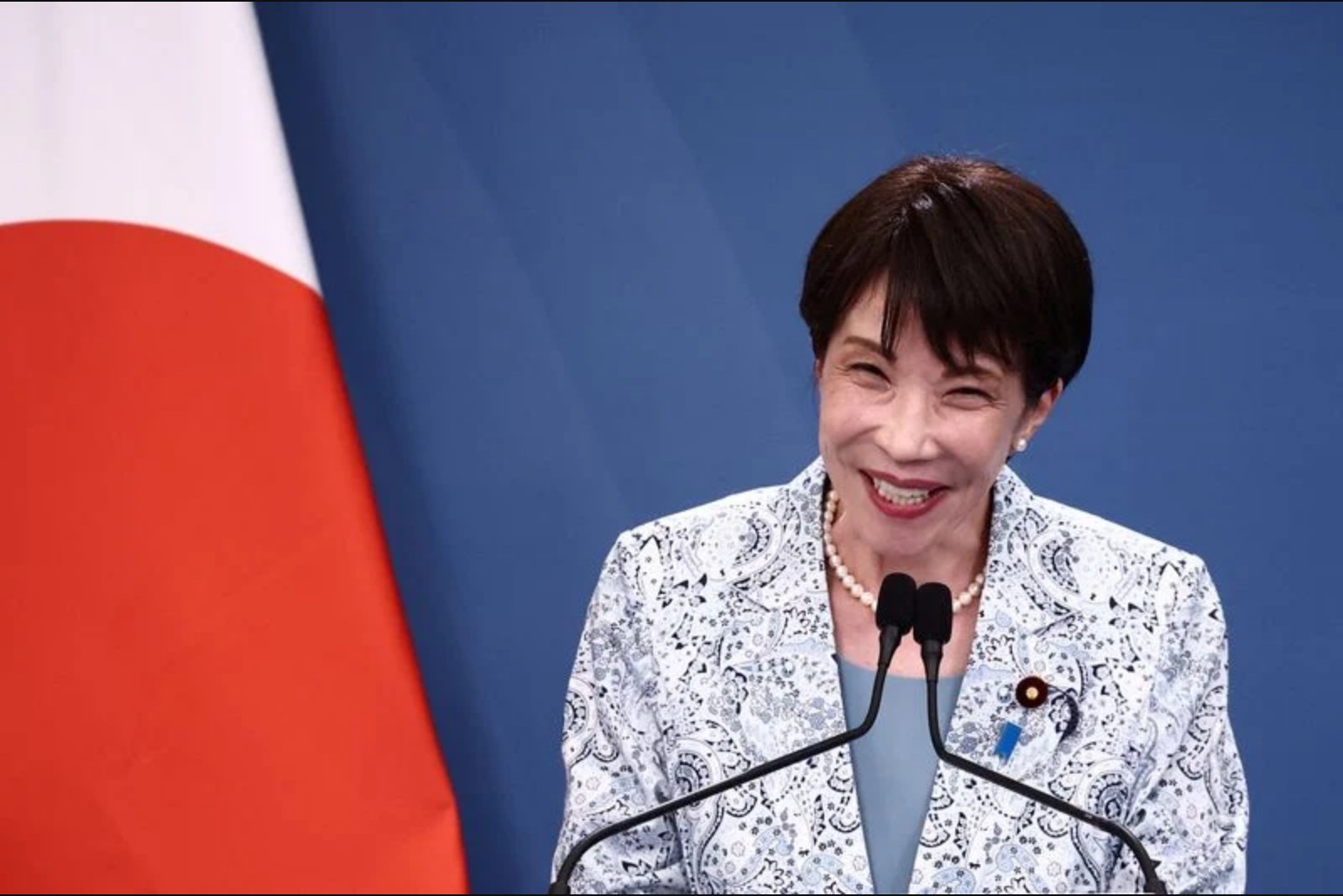
Tokyo, Japan - Japan's government is preparing to formally request that the Bank of Japan maintain a monetary policy stance that actively supports private sector demand. According to a draft of the nation's long-term economic blueprint, the administration prioritizes keeping borrowing costs low to foster price stability and economic expansion. This directive underscores a strategic preference for the central bank to coordinate closely with fiscal authorities, aligning with Prime Minister Sanae Takaichi's broader agenda to reflate the economy.
The draft, which serves as a foundational document for long-term economic policy, signals that political leadership will not hesitate to implement measures necessary to prevent a return to deflationary trends. "The government won't hesitate taking nimble and sufficient steps" to ensure Japan does not return to deflation, the draft stated, pledging actions to boost long-term growth potential. The document emphasizes that achieving strong growth through coordinated economic and fiscal policy requires appropriate monetary measures that support private demand via stable price rises.
While Japanese law guarantees the independence of the central bank, it simultaneously mandates close coordination with the government to ensure policy alignment. Citing this legal requirement, the draft urges the Bank of Japan to "work closely with the government to sustainably and stably achieve its 2% inflation target," while monitoring progress towards a "positive cycle" of wage and price gains. This emphasis on coordination suggests that future rate decisions, particularly regarding the pace and timing of increases as the nation transitions away from ultra-low borrowing costs, may be influenced by the government's preferences.
Prime Minister Sanae Takaichi, who has advocated for loose fiscal and monetary policy in the past, has voiced reservations regarding the central bank's efforts to wean the economy off deflation-era stimulus. Since taking office in October last year, Takaichi has emphasized fiscal spending to revive growth, a stance that has contributed to rising bond yields amid concerns about Japan's worsening financial position. Her new growth strategy targets more than 370 trillion yen, equivalent to approximately $2.3 trillion, in investment through fiscal year 2040 across 17 strategic sectors, including artificial intelligence and semiconductor manufacturing. Such ambitious spending levels would inherently benefit from low interest rates, even as mounting inflationary pressures have pushed the central bank to exit its ultra-loose policy framework.
The Bank of Japan recently raised its policy rate to a 31-year high of 1% this month and has signaled readiness to tighten further. This tightening cycle is driven by persistent inflation, which has remained near the central bank's target for almost four years, partly due to higher fuel costs linked to the war in Iran. However, political pressure could complicate the path toward further monetary tightening. A government representative who attended a June meeting indicated that the central bank must take "proactive and appropriate action" if the economy deteriorates, reflecting the administration's displeasure with recent rate hikes.
The Bank of Japan is scheduled to meet on July 30-31. During this session, the central bank is widely expected to hold interest rates steady but will also update its quarterly forecasts. Financial markets will closely analyze these projections for indications regarding the timing of the next rate increase. The interplay between the government's demand for accommodative policy and the central bank's focus on inflation control remains a critical dynamic for economic stability and market expectations in Japan.