
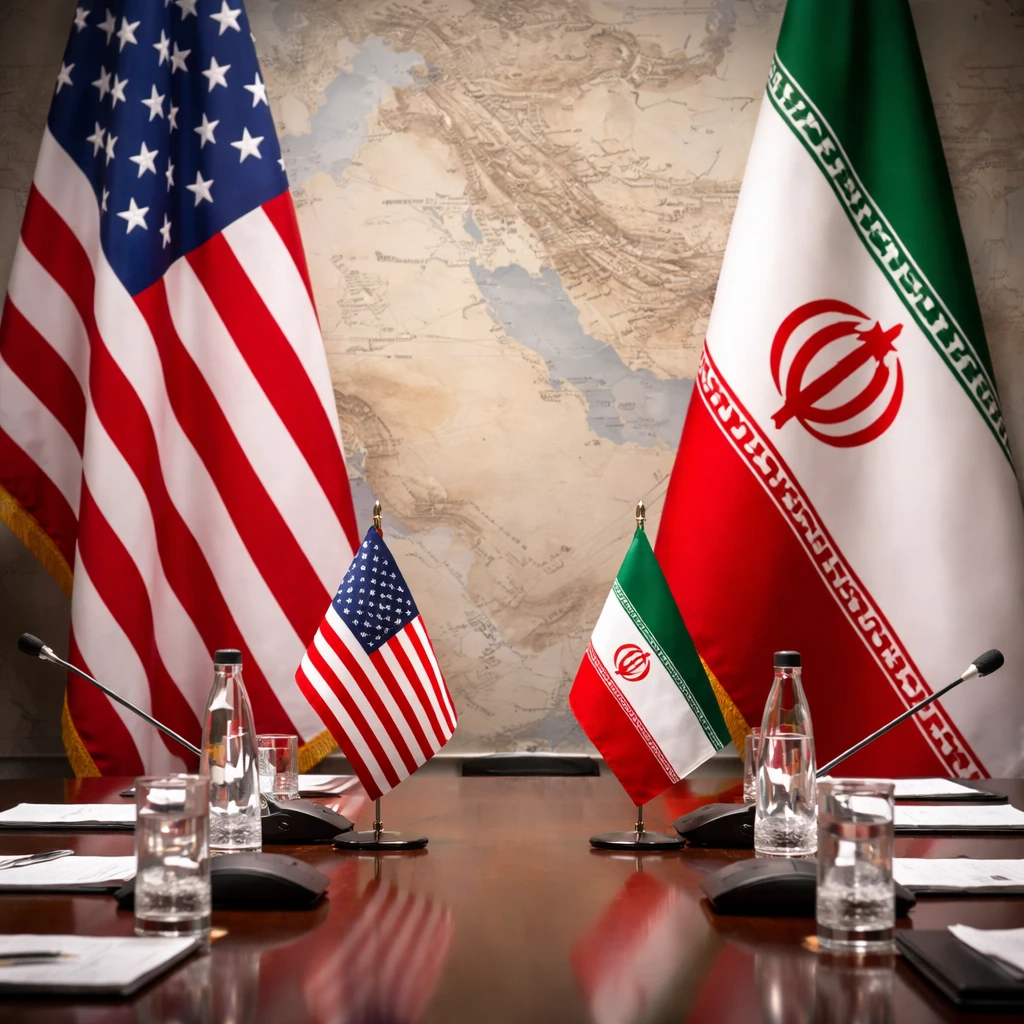
Iranian officials stated on Saturday that Tehran remains prepared to advance diplomatic negotiations with the United States. However, this readiness is strictly conditional upon Washington demonstrating a firm commitment to the agreement and ensuring that Israel adheres to its terms.
The memorandum of understanding, aimed at terminating conflict across the region, requires strict compliance from all parties involved. Iranian Deputy Foreign Minister Saeed Khatibzadeh communicated to Al Jazeera that Tehran is "ready to move forward" with talks. This progress hinges on the U.S. guaranteeing that Israel halts military operations in Lebanon, a critical component of the broader peace framework.
Reinforcing this position, Iranian Foreign Minister Abbas Araghchi asserted that Washington holds the primary responsibility to end hostilities on all fronts. This includes the ongoing situation in Lebanon, in direct alignment with the stipulated terms of the agreement. The consistency in messaging from Tehran underscores the linkage between diplomatic engagement and concrete military de-escalation.
These statements emerged against a backdrop of conflicting reports regarding the status of violence in the region. While a U.S. official indicated to Reuters that Israel and Hezbollah had reached a ceasefire agreement in Lebanon following days of intensified combat, ground realities present a different picture. Israeli military operations persisted in southern Lebanon despite the reported cessation of hostilities.
Lebanese health authorities reported that Israeli strikes resulted in at least 47 fatalities and 97 injuries on Friday. Furthermore, additional air raids were documented after the ceasefire announcement was made public. This discrepancy between diplomatic announcements and operational activity has created significant friction. The ongoing violence has quickly evolved into a primary obstacle for the planned U.S.-Iran negotiations.
The impact of this instability is already evident in scheduling conflicts. Reports from Washington confirm that a meeting in Geneva, which was to include U.S. Vice President JD Vance, was delayed. Iranian representatives explicitly declined to travel while military operations in Lebanon continued, signaling that diplomatic presence is contingent upon verifiable cessation of force.
At the executive level, President Donald Trump continues to advocate for a broader agreement with Tehran. He has issued a warning that both sides possess a 60-day window to secure a final deal. "We have to make a deal," Trump stated on Friday. He further cautioned that failure to reach an agreement could result in actions that "won’t make them happy," underscoring the high stakes of the negotiation timeline.
Beyond the immediate diplomatic and military sphere, the conflict carries significant implications for global markets. The instability has heightened concerns regarding global energy supplies and critical shipping routes. The Strait of Hormuz, a vital artery through which approximately one-fifth of global oil and gas shipments transit, remains technically open. Nevertheless, maritime authorities continue to advise caution as naval clearance operations proceed, introducing volatility into energy logistics.
Diplomatic momentum is attempting to be sustained through alternative channels. Mediators including Pakistan, Saudi Arabia, and Turkey are scheduled to convene in Egypt on June 21. These discussions will focus on steps aimed at preserving the ceasefire framework and advancing the broader negotiations between Washington and Tehran, seeking to stabilize the region amidst ongoing uncertainty.