
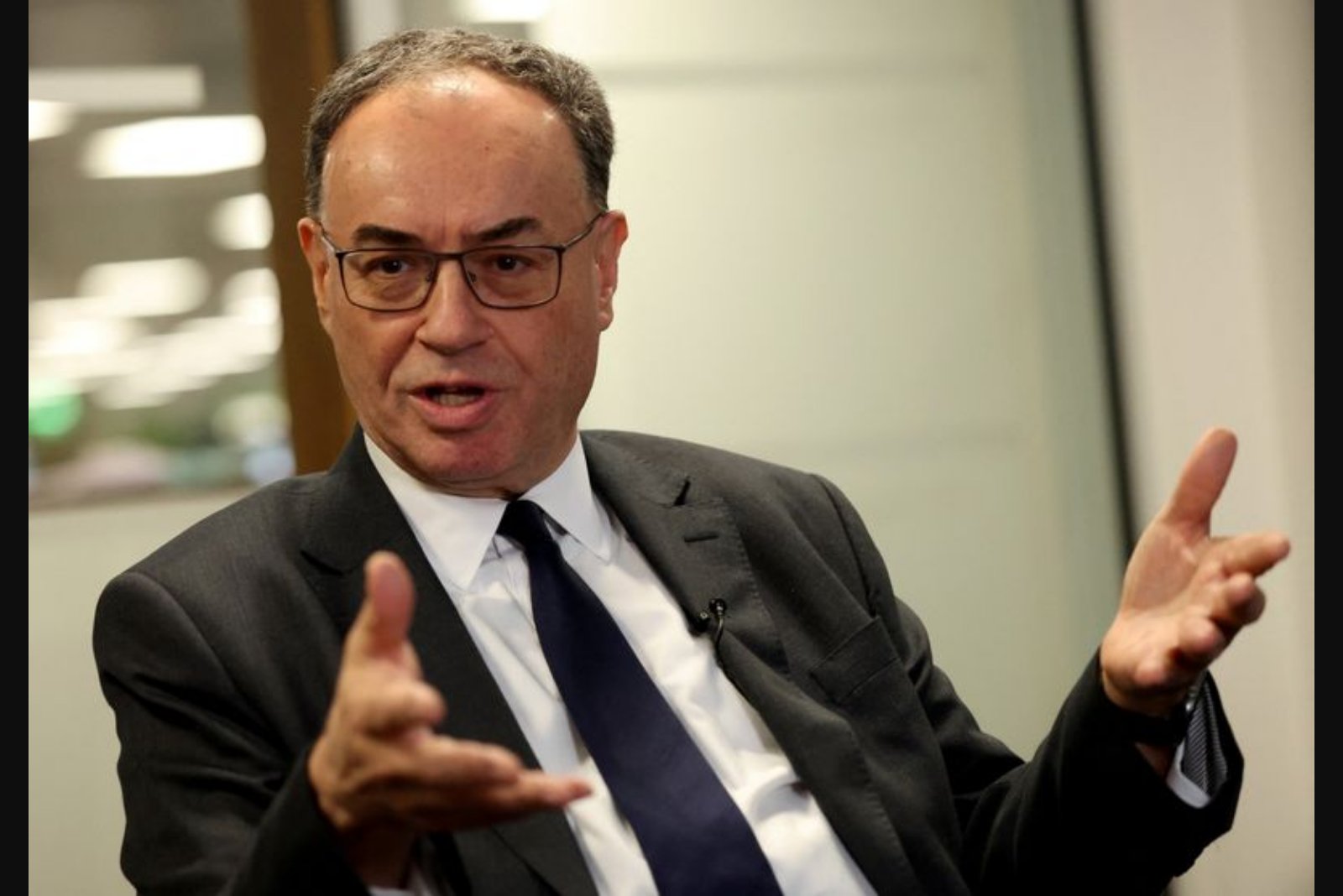
In a letter addressed to G20 Finance Ministers and Central Bank Governors ahead of this week's International Monetary Fund meeting in Washington, Andrew Bailey, who serves as both governor of the Bank of England and chair of the Financial Stability Board (FSB), outlined a compact but urgent warning on financial stability.
Bailey said the global financial system has, up to now, absorbed the economic shock stemming from the Iran war, and he attributed that resilience in part to reforms enacted after the 2008 global crisis. However, he raised concerns that rising funding costs could intensify strains in other parts of the system.
Central to his letter was a caution about a potential "double or triple whammy" - a scenario in which tighter funding conditions prompt several vulnerabilities to materialize at once. He identified three specific areas of concern: stretched valuations in assets, leverage outside the banking sector, and growing stress in private credit markets.
Bailey flagged a particular trigger for broader financial turmoil: if financial markets start to price in a significantly larger hit to global economic growth. In that situation, he warned that sudden and sharp re-pricing of equity markets could occur at the same time as heightened scrutiny of valuations in private assets.
Despite the uncertainty and the possibility of these coincident shocks, Bailey pointed out that banks have remained resilient. He linked that resilience to the strength of post-global financial crisis reforms and emphasized the continued importance of implementing the Basel III capital framework to preserve banking-sector stability.
Key points
- FSB Chair Andrew Bailey warned G20 leaders that rising funding costs could cause a "double or triple whammy" of financial stress.
- He identified stretched asset valuations, non-bank leverage, and private credit stress as potential simultaneous vulnerabilities.
- Bailey noted that banks remain resilient, attributing that resilience to post-2008 reforms and stressing the role of Basel III implementation.
Risks and uncertainties
- Funding-cost pressures could prompt abrupt re-pricing in equity markets - affecting equity investors and market-sensitive sectors.
- Heightened focus on valuations in private assets could coincide with stress in private credit markets - impacting private lenders and borrowers reliant on non-bank financing.
- Leverage outside the banking sector may amplify systemic stress if multiple vulnerabilities crystallize at once - posing risks to non-bank financial intermediaries and linked markets.
Bailey's letter was sent in advance of policy discussions at the IMF meeting in Washington this week, where global finance officials will convene to assess risks and policy responses. His message underscores the fragility that can arise when market repricing aligns with existing valuation and leverage pressures.