
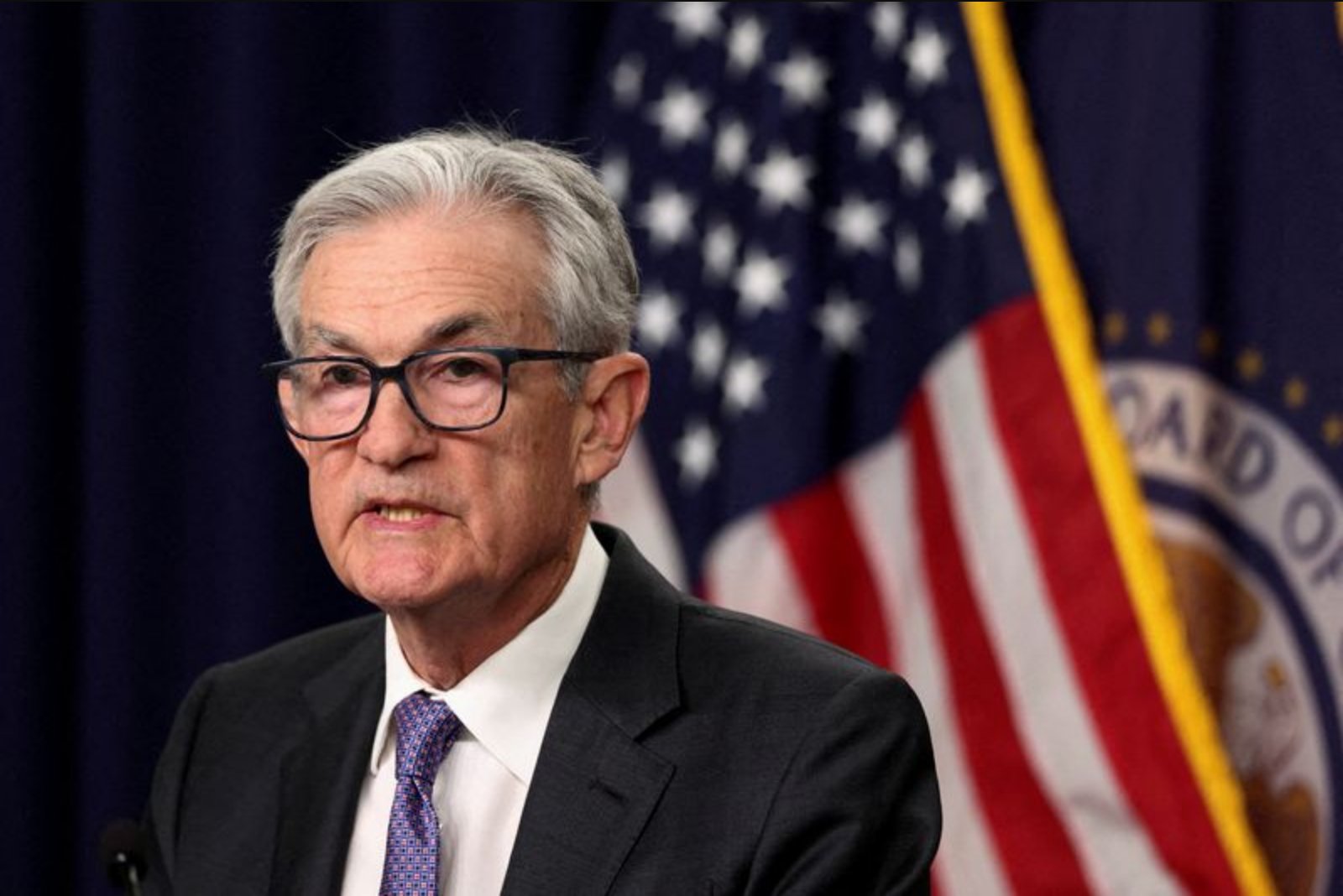
The Federal Reserve's multi-year renovation of two historic headquarters buildings near the National Mall in Washington became the center of a political controversy about a year ago after a newspaper story highlighted what it described as "lavish" design elements and an estimated price tag approaching $2.5 billion. The story surfaced amid heightened public criticism from President Donald Trump and his allies, who had been pressing the Fed and Chair Jerome Powell to reduce interest rates.
That early coverage triggered immediate political backlash. Elon Musk - then the head of the Trump administration's Department of Government Efficiency - called for an investigation. Republican lawmakers, including Senate Banking Committee chair Tim Scott, accused the Fed of wasteful spending. The episode set off a chain of public and legal actions that culminated on April 24, 2026, when U.S. Attorney Jeanine Pirro said she would close the criminal inquiry and refer the matter to the Fed's Inspector General.
How the controversy unfolded
On June 24, 2025, Senator Tim Scott and several other members of the Senate Banking Committee sent a letter to Fed Chair Jerome Powell asking for justification of the renovation costs. Their letter cited alleged amenities including "rooftop garden terraces, ornate water features, new elevators that drop board members off directly in their VIP dining suite ... rooftop Italian beehives," among other items.
The next day, on June 25, 2025, Powell testified before the Senate Banking Committee and disputed the accuracy of reports describing such luxurious features. Federal documents, however, showed the Fed's current budget for the two buildings was roughly $1.1 billion higher than the amount it had allocated in 2020. The Fed attributed most of that increase to higher material and labor costs during the post-pandemic inflation surge, design changes required by the national planning commission and unanticipated expenses such as asbestos abatement.
Tensions continued to rise. On July 2, 2025, Bill Pulte, then director of the Federal Housing Finance Agency and a prominent Trump ally, posted on X that Powell's testimony was deceptive and argued Powell should be removed "for cause," urging a Congressional probe. On July 10, 2025, Russell Vought, director of the Office of Management and Budget, wrote to Powell seeking explanations and suggesting the Fed might not have followed proper approval procedures for the renovations.
Powell responded on July 14, 2025, with a detailed letter to Senator Scott and the top Democrat on the Senate Banking Committee, Elizabeth Warren. The Fed also published a set of FAQs on its website that laid out the cost drivers, and Powell requested a fresh review by the Fed's Inspector General. He reiterated the same information in a response to Vought on July 17, 2025.
On July 24, 2025, President Trump, accompanied by Pulte, Vought and Senators Scott and Thom Tillis, toured the construction site. Powell led the tour, and the president used the occasion to again press for interest-rate cuts.
From Congressional scrutiny to a criminal probe
The situation escalated in November 2025, when Jeanine Pirro, U.S. Attorney for the District of Columbia, opened a criminal investigation centered on alleged misstatements in Powell's July testimony, according to court records that were later unsealed. The investigation moved into public view in January 2026.
On January 11, 2026, Powell disclosed that the Department of Justice had served subpoenas and that he was the subject of a probe. In a Sunday evening video, he described the action as unprecedented intimidation and said it amounted to a pretext for the president to gain influence over the Fed's monetary policy decisions.
The following day, January 12, 2026, the DOJ investigation drew broad condemnation from those concerned about the independence of the Federal Reserve. Senator Tillis said he would block any Fed nominee while the investigation was open, and other Republican lawmakers voiced similar objections. Days later, on January 30, 2026, the president nominated Kevin Warsh to replace Powell when Powell's leadership term would expire on May 15.
Legal challenge and public standoff
Powell pushed back on multiple fronts. A U.S. judge on March 13, 2026 blocked the DOJ's subpoenas, agreeing with Powell's assertion that the probe was an improper attempt to intimidate the central bank into cutting interest rates. Pirro said she would appeal. On March 18, 2026, Powell said he had no intention of leaving the Board until the investigation concluded with transparency and finality.
In mid-April 2026, prosecutors from Pirro's office made a surprise visit to the renovation site and were turned away on April 14. The Senate Banking Committee held a confirmation hearing for Warsh on April 21, during which Senator Tillis reiterated his intent to block nominees while the investigation remained open.
On April 22, 2026, Pirro publicly stated the investigation was continuing, and President Trump expressed public support for her efforts, saying, "we have to find out" how the project accrued such high costs.
Closure and referral
On April 24, 2026, Pirro announced she would close the criminal investigation and instead refer the matter to the Federal Reserve's Inspector General, noting that the IG had already begun a review at Powell's request nine months earlier. Pirro added, "I will not hesitate to restart a criminal investigation should the facts warrant doing so."
The referral marks the end of the criminal inquiry phase, at least for now, and shifts the matter back to the Fed's internal oversight process. The public record in this episode contains a sequence of allegations, denials and procedural moves by multiple actors in the executive branch and on Capitol Hill, culminating in the U.S. Attorney's decision to close the DOJ-led probe while preserving the option to reopen it if new facts emerge.
Implications for markets and governance
The episode intertwined a high-profile construction program, scrutiny of federal spending and a dispute over the independence of a central bank official. It drew attention from political leaders, federal agencies and the courts before being referred to the Fed's Inspector General for further review.