
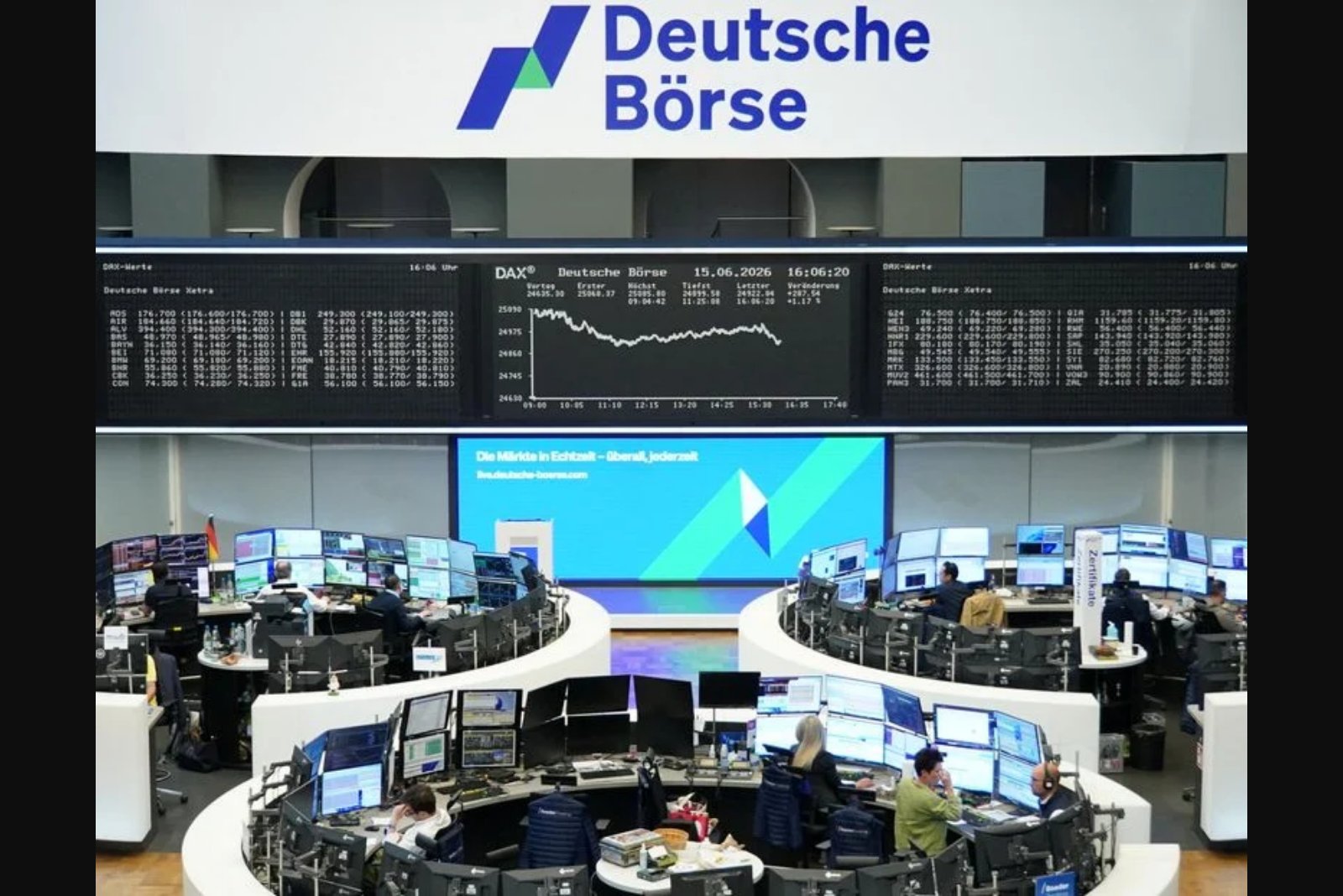
June 16 - European equities opened modestly higher on Tuesday, building on gains from the previous session as investors digested a preliminary agreement between the United States and Iran and the potential for oil flows to resume through the Strait of Hormuz.
By 0717 GMT, the pan-European STOXX 600 index had climbed 0.3% to 636.01 points. The industrial goods and services sector led the advance, rising 1.2% in early trade.
Markets had closed at a record high on Monday after reports of a preliminary accord between the U.S. and Iran to end a three-month conflict and reopen the Strait of Hormuz, a key artery for global oil shipments. Oil prices extended their decline on Tuesday, with Brent crude trading near $82 a barrel, a move that has eased some inflation pressures that previously stoked expectations of further monetary tightening.
Monetary policy remained a central theme for investors. The European Central Bank raised interest rates by 25 basis points last week in an effort to combat price pressures, and traders are pricing in an additional hike by year-end, according to LSEG-compiled data. Central banks in other regions are also raising borrowing costs.
On Tuesday, the Bank of Japan lifted borrowing costs to a 31-year high, citing price pressures linked to energy. Rate decisions from the U.S. Federal Reserve and the Bank of England later this week were also on market participants' radars.
Sector and stock movements reflected these macro developments. AI-linked names, which have swung sharply in recent sessions, were lower on the day, and the broader technology index slipped 0.2%.
Semiconductor firm STMicroelectronics fell 2.5% after announcing plans to issue convertible bonds worth $1.5 billion.
In banking, UniCredit gained 2.8% after Germany rejected the Italian lender's offer to buy Commerzbank shares, citing a low price and expressing support for an independent Commerzbank. Commerzbank's shares rose 1% on the news.
Overall, markets started the session with cautious optimism anchored by the possible resumption of oil transit through the Strait of Hormuz, while central bank actions and corporate financing moves provided additional focal points for traders.