
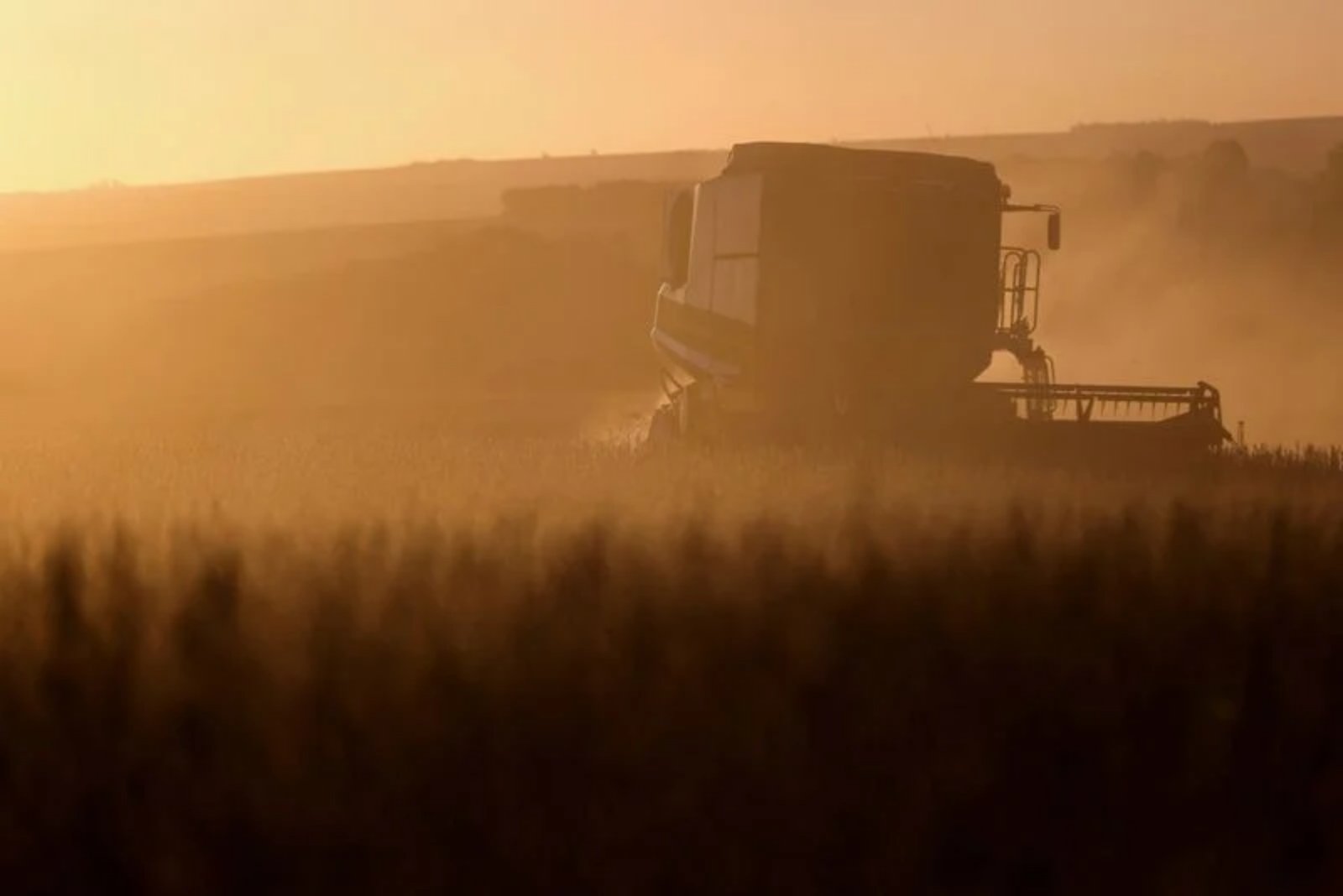
Auctions of farms seized by creditors have climbed sharply across Brazil as distressed rural credit has expanded to nearly a fifth of outstanding farm loans, according to official and industry data compiled for this report. Producers and analysts point to weaker grain prices, elevated interest rates, rising input costs and weather extremes linked to a changing climate as the primary drivers of farm bankruptcies and collateral seizures.
Adding to concerns for the agricultural sector, many farmers are preparing for the possibility of a "super El Nino" weather pattern that could harm yields and further reduce household and farm incomes. Producers also report scaling back planting plans after fertilizer prices surged during the war in Iran.
Rising troubled debt
Brazil's central bank data show problematic debts under rural credit rules more than quadrupled in two years, reaching 171.2 billion reais ($33 billion) at the start of this year. Measures of delinquency, defaults, reparceled payments and renegotiations together pushed bad debt to 19.6% of outstanding farm loans, up from 5.5% two years earlier.
"Debt in the agricultural sector is at an extremely delicate moment," said Guilherme Campos, secretary of agricultural policy at Brazil's farm ministry.
Auctions and bankruptcies pick up pace
Data from Leilao Imovel, an aggregator of auction listings, show a significant rise in the number of rural properties put up for sale. The volume of auctions climbed to 14,219 rural properties in 2025, an increase of 30% from the prior year. Faster out-of-court procedures for seized properties also rose sharply, almost doubling to 2,398 last year.
Leilao Imovel's co-founder Andre Figueiredo noted the company surveyed about 7% more auction houses in 2025, which limits direct comparability with prior years. Nonetheless, the largest auctioneers have shared consistent data since 2019 and reveal a clear trend of worsening financial stress for farmers, especially in grain-producing regions.
"The volume of rural properties (at auction) has increased significantly," Figueiredo said, pointing to soybean and other grain areas as the hardest hit.
Bankruptcy filings in the agricultural sector reflect that strain: filings jumped 56% in 2025 after more than doubling in 2024, according to data from credit agency Serasa Experian.
On-the-ground impacts and producer testimony
Producers continue to struggle to recover from a succession of shocks, Serasa Experian's agriculture general director Marcelo Pimenta said. He highlighted bad weather, weaker prices for export crops such as soy, and a benchmark interest rate that has climbed sharply - rising to 15% from 2% over five years - as factors eroding the ability of farmers to service debt.
"The outlook for the future isn't good," Pimenta said. "Interest rates are very high and it's uncertain where commodity prices go. The chance of a shock due to climate problems is very high."
An anonymous farmer in the southern state of Rio Grande do Sul described the challenge of meeting what they called "unpayable" interest rates after extreme weather ruined their crops. A credit agency recently seized more than half of their family farm.
"Climate change is significant, it's evident. From one hour to the next we can't produce because of too much rain or too much sun," the farmer said. "The climate factor is what put us in this position."
Climate events intensify financial stress
Rio Grande do Sul is among the regions hit hardest by rising defaults. In 2024 the state experienced catastrophic flooding that research published in January in NPJ Natural Hazards linked to climate change and that year's El Nino. Such extreme events have direct consequences for crop output and incomes and thereby for producers' ability to service loans.
With the prospect of another strong El Nino and continued volatility in input costs, lenders have increasingly turned to enforcing collateral. Brazilian banks and other creditors have stepped up foreclosure and auction procedures, contributing to the rise in properties appearing for sale.
Financial and market implications
The expansion in troubled rural credit and the acceleration of auctions are manifest signs of stress in agricultural underwriting and credit performance. For lenders with material exposure to agricultural portfolios, this trend raises questions about loss provisioning, collateral valuation and the pace of recoveries from seized properties. For grain and fertilizer markets, smaller planting areas and damaged crops could feed back into supply dynamics, though commodity price paths remain uncertain.
Policy and market actors will be watching whether elevated interest rates, continued input cost pressures and recurring climate shocks sustain the current trajectory of defaults, or whether measures such as restructuring, government support or changes in commodity markets provide relief for indebted producers.
Reporting in this piece reflects official central bank figures, auction aggregator data and comments from industry officials and producers as cited.