
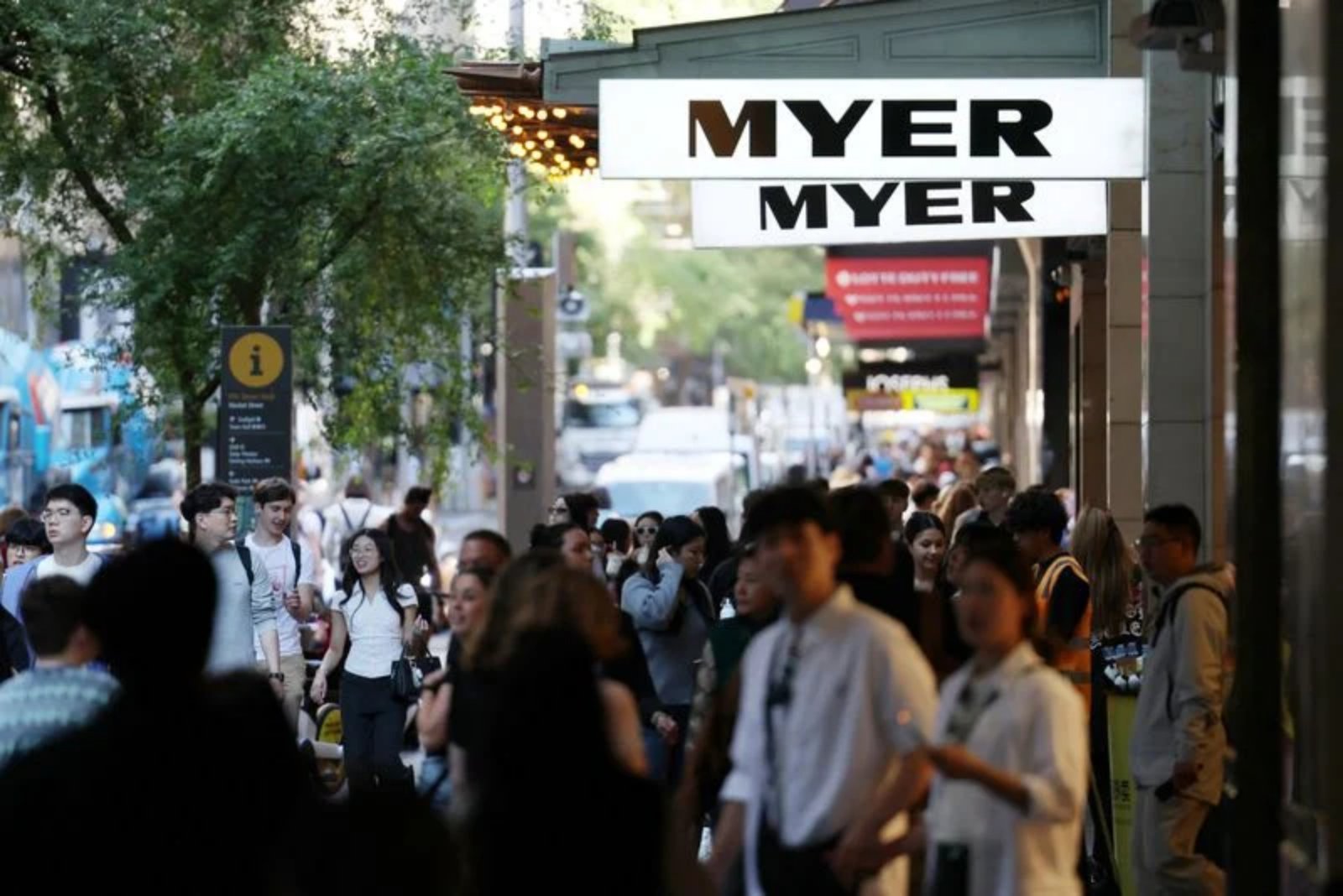
The latest economic indicators from Australia suggest a period of heightened financial strain for households. According to the Westpac-Melbourne Institute survey released on Tuesday, the main index of consumer sentiment experienced a 2.9% contraction in June, falling to a level of 80.6. This figure represents one of the lowest points recorded in the five decades since the survey began. Matthew Hassan, Westpac’s head of Australian macro-forecasting, noted that the current reading of 80.6 places the index among the weakest seen in the fifty-year history of the data collection.
Key Economic Drivers and Sector Impacts
Several macroeconomic factors have converged to dampen consumer sentiment across various sectors:
- Monetary Policy and Debt Servicing: The Reserve Bank of Australia has implemented three interest rate increases this year, which has directly impacted household finances through rising borrowing costs.
- Energy Costs: Following conflict in the Middle East, a surge in petrol prices has contributed to the squeeze on family budgets.
- Housing and Real Estate: Expectations for the housing market have cooled significantly. Consumers are paring back their expectations for future increases in property prices. Furthermore, recent government proposals to reduce tax breaks for purchasing homes to rent - a common investment strategy in Australia - have caused unsettled feelings among consumers regarding house price expectations.
Economic Outlook and Consumption Trends
The data highlights a darkening long-term outlook for the economy. While the sub-index for "Time to Buy a Major Item" showed a marginal increase, it reached only 86.4, which remains substantially lower than the historical long-run average of 123.0. This suggests that despite minor fluctuations, discretionary spending intentions remain suppressed. Additionally, expectations regarding family finances saw a sharp decline in June as cost-of-living pressures became more dominant for Australian households.
Identified Risks and Uncertainties
The survey points toward specific risks that may continue to influence the economic landscape:
- Regulatory and Tax Risk: The Labor government's recent proposals to cut tax advantages related to residential property investments (buying homes to rent) have introduced uncertainty into the housing market.
- Inflationary Pressures: The combination of rising fuel costs due to geopolitical conflict and the impact of interest rate hikes presents a continued risk to consumer purchasing power.
- Sentiment Volatility: With sentiment currently sitting at one of its historical lows, there is significant uncertainty regarding the stability of consumer behavior and long-term economic growth signals.