
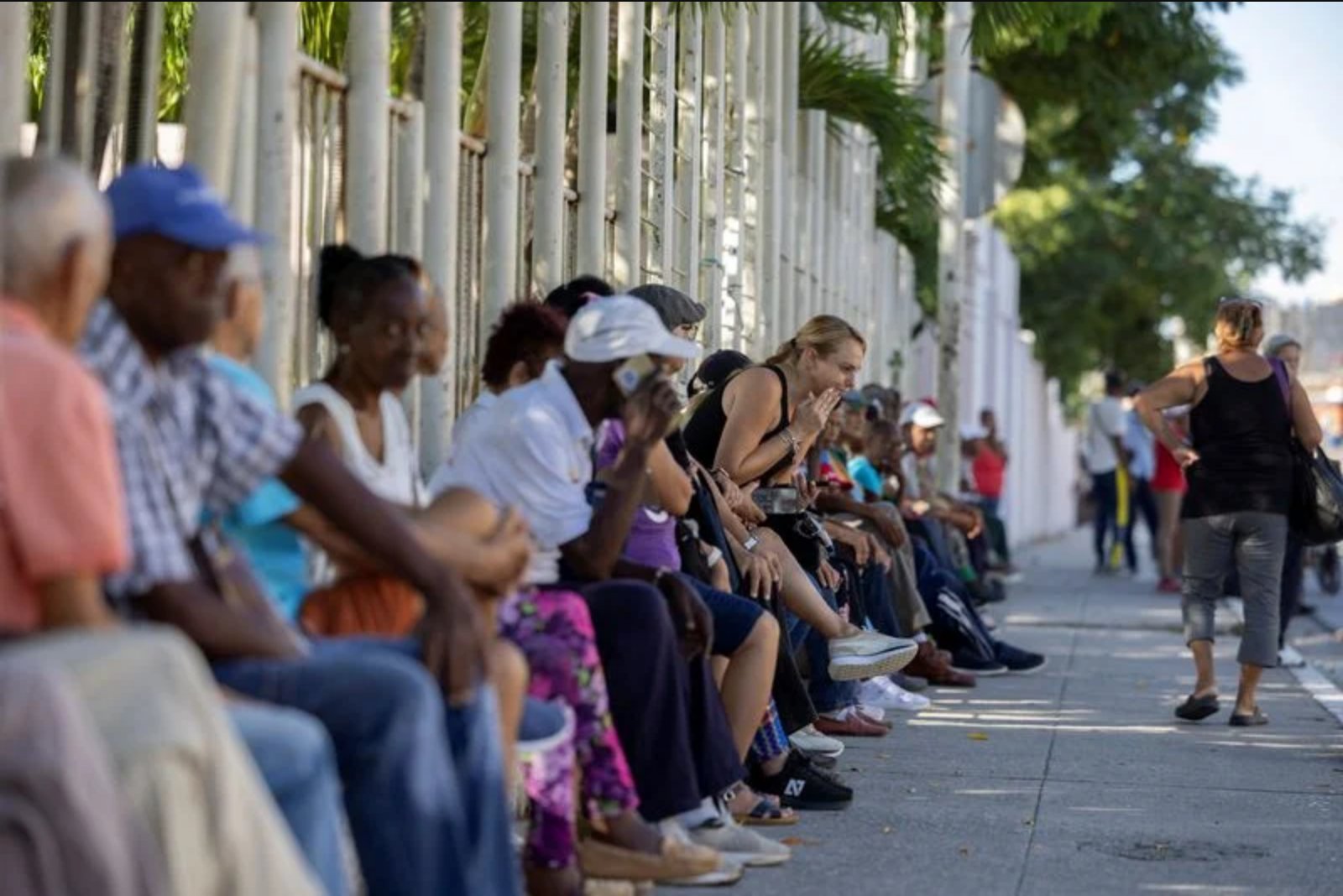
Víctor Rodríguez, 72, rose before dawn and traveled several kilometers to secure a place in a bank queue in Havana. Arriving at 7:30 a.m., he wanted to withdraw the maximum daily allowance of 20,000 pesos, roughly $28 at the black market exchange rate, aware that delays could mean the branch running out of bills or closing if power or internet service failed.
His situation mirrors that of dozens of other customers, many elderly, who now routinely line up early at bank branches across Havana and elsewhere in Cuba. These scenes reflect a cash squeeze layered on top of chronic shortages of food, fuel and medicine.
The scarcity of hard currency has been intensified by rapidly rising prices. Cuba's economy is increasingly dollarized and heavily reliant on imports, and the peso recently reached a record of about 700 per dollar, representing an approximate tenfold loss of value since 2021. In response to the cash shortage and currency pressures, the government has rolled out a series of market-oriented measures.
Officials last week introduced new banknotes in 10,000- and 20,000-peso denominations, saying the additional denominations should ease the immediate cash bottleneck. In a further step, the central bank authorized the operation of the first private currency-exchange house in the country, a move that breaks with a long-standing system in which the central bank tightly controlled exchange rates.
Authorities contend that allowing private, legal exchange houses will help inform the official exchange rate, increase transparency and reduce speculative activity. President Miguel Díaz-Canel has emphasized that these measures do not amount to abandoning socialism, but are responses to the damaging effects of U.S. sanctions, which the government says intensified under the Trump administration.
No quick relief for many families
For ordinary Cubans, however, any relief from these policy changes may be some way off. "If you eat, you can’t buy clothes. If you buy clothes, you can’t go out; if you go out, you can’t eat," said 42-year-old Havana resident Yuset Rodríguez, capturing the trade-offs confronting many households.
Price pressures have been mounting since the COVID-19 pandemic and a problematic monetary reform in 2021. Cuba's national statistics agency ONEI reported in September that consumer prices rose by about 25% between January and August of 2026 compared with the same period a year earlier. Observers note the official consumer price index does not fully account for the expanding informal market, and that true inflation could be higher.
Fuel costs have been a major contributor to the price surge. After a U.S. decision in January to cut off oil imports to the island, fuel prices spiked. Although prices have since eased from their initial shock levels, gasoline still sells for between $2 and $3 per liter, amounts that are nearly double the global average cited for high-octane fuel.
Many Cubans now point to escalating prices rather than outright stockouts as the principal economic hardship. "There is food in Cuba. The problem is that prices have skyrocketed and the economy is in the gutter," said Midiala Hon Mesa, 56, after visiting a local farm market where supplies remained plentiful but prices fluctuated sharply from day to day while wages stayed stagnant.
Banking disruptions, limited cash supplies and volatile exchange dynamics have combined to create an environment in which securing everyday necessities requires careful timing and, for some, long waits at bank counters.