
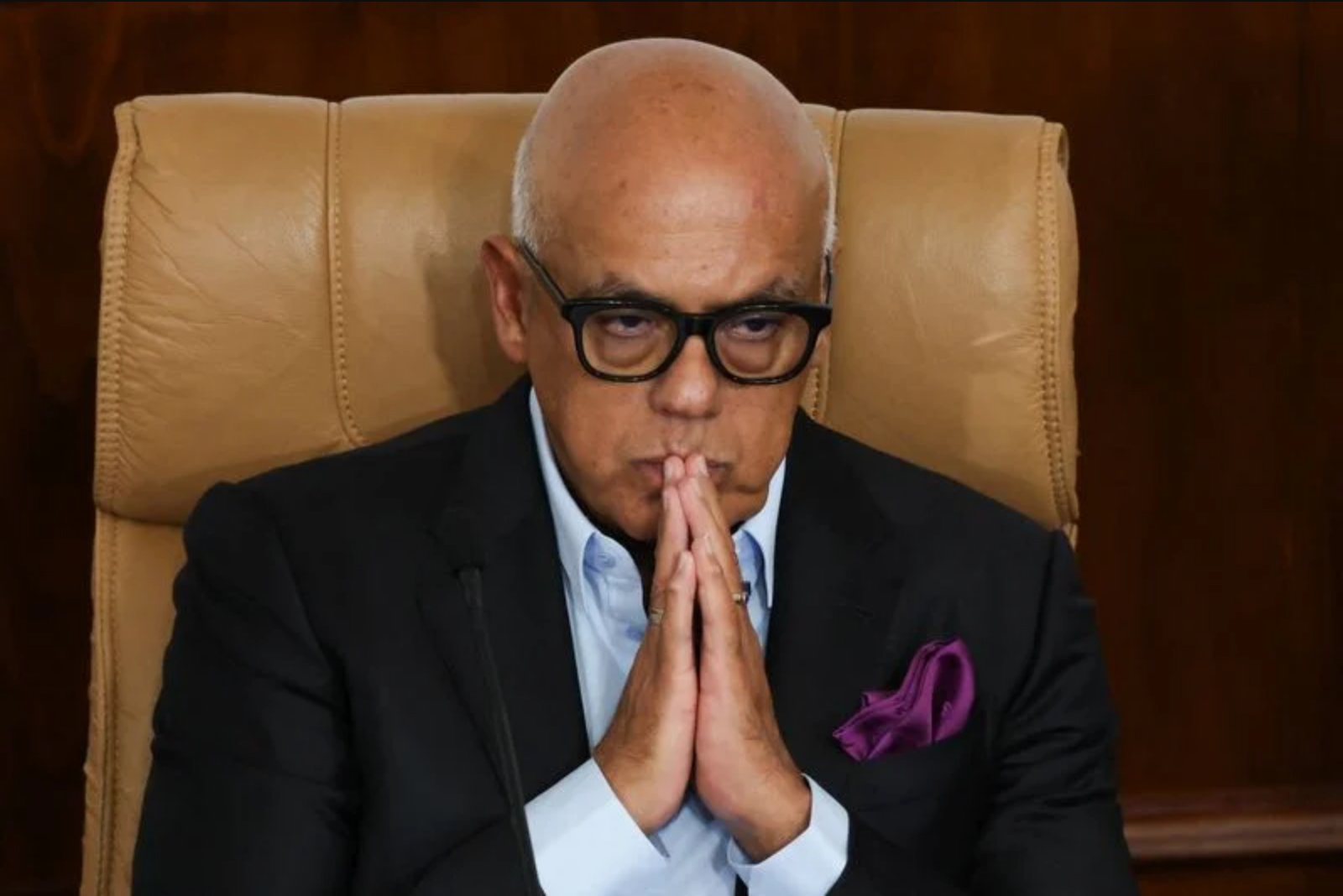
On June 18, the United States said it welcomed a meeting held in Caracas between Jorge Rodriguez, who leads Venezuela’s National Assembly, and Dinorah Figuera, a former opposition lawmaker. U.S. officials said the two met to discuss a democratic transition in Venezuela, with a stated emphasis on strengthening the National Electoral Council (CNE).
The meeting represents the first public rapprochement between members of the ruling party and opposition figures in nearly three years, since the two sides signed a deal to hold the 2024 presidential elections. Public information about the session was limited.
Neither Figuera nor Rodriguez provided extensive details about the discussions. The National Assembly issued a brief statement saying the meeting was focused on establishing a platform to strengthen “democracy and the consolidation of peace,” but it did not elaborate on specific measures, timelines, or next steps.
Figuera served in an opposition-led legislature until 2020 and returned to Venezuela on Thursday after living in Spain for around seven years. Rodriguez is identified in public statements as the brother of acting president Delcy Rodriguez. Beyond those biographical references, officials did not disclose additional content from the talks.
“The U.S. understands that this agenda includes key priorities such as rebuilding Venezuela’s democratic institutions, strengthening the CNE, reestablishing durable guarantees for political participation, and securing essential civic freedoms for open political discourse,” a U.S. State Department spokesperson, Tommy Pigott, said in a statement.
The public nature of the meeting and the U.S. response mark a notable development in Venezuelan politics because it is the first visible interaction of this kind since the agreement on the 2024 presidential election process. Still, the limited information released by participants and the National Assembly means the specific scope and potential outcomes of the discussions remain unclear.
Officials and observers will likely watch for any follow-up announcements or formal agreements that translate the stated priorities into concrete actions, though no such steps were reported in the statements issued after the meeting.