
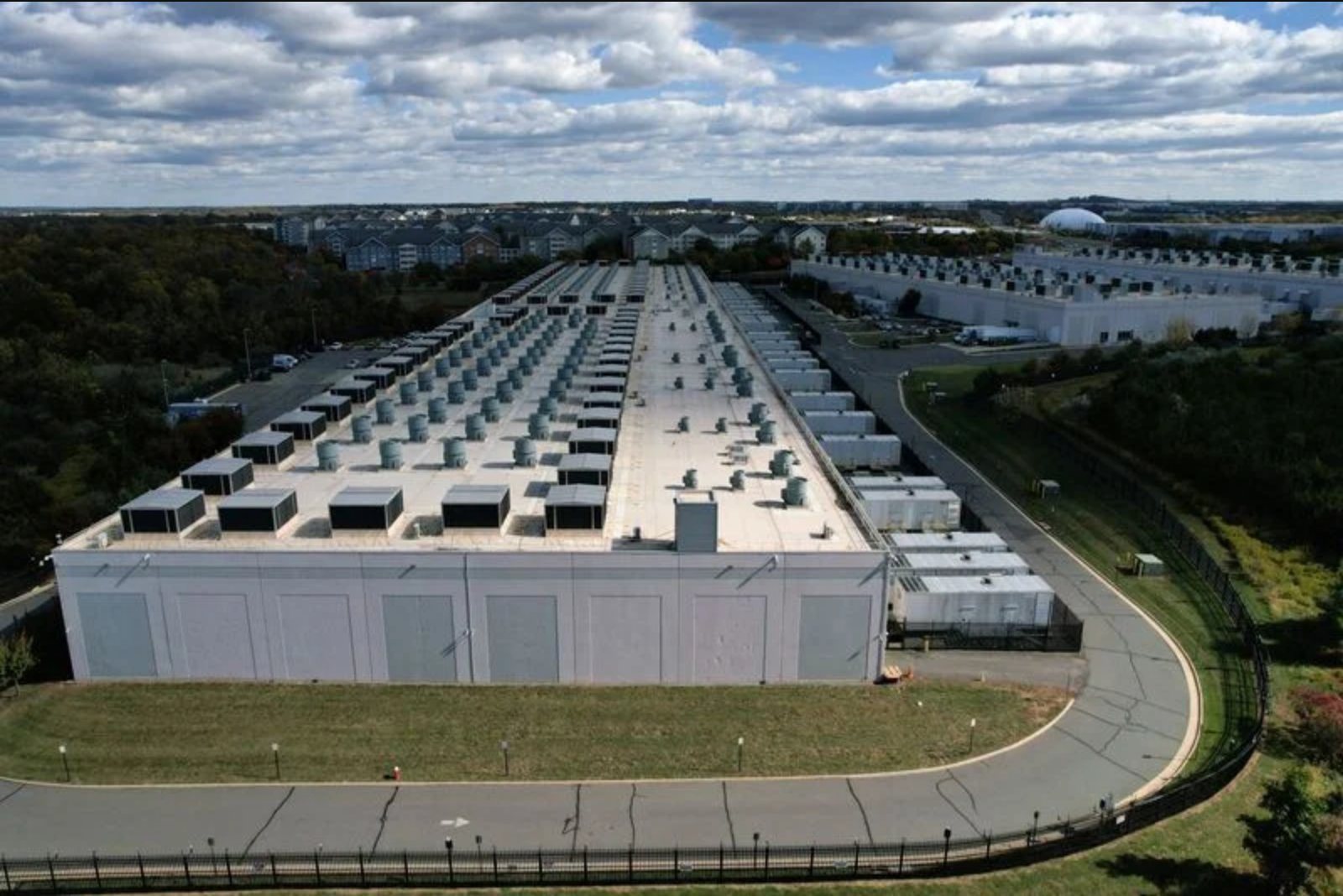
U.S. public sentiment is largely skeptical of the rapid expansion of data centers that power artificial intelligence, according to a new Reuters/Ipsos poll conducted over six days and involving 4,531 respondents. The survey, which concluded on Monday, found that roughly one-in-three Americans think building data centers at a rapid pace is primarily a good thing, while nearly two-thirds disagree.
Only 33% of respondents agreed with the statement that the rapid construction of data centers was mainly positive; 64% disagreed. The poll also found robust local resistance: some 57% said they would oppose a data center being built in their community. That local opposition cuts across party lines, with about two-thirds of Democrats and roughly half of Republicans saying they would oppose a nearby facility. Just 14% of people surveyed expressed they were comfortable with a center being built near their homes.
Those attitudes exist against a backdrop of accelerating federal focus on AI. The administration has made rapid AI development a priority, citing China as a competitor, and has instructed federal agencies to speed permitting for infrastructure connected to the sector. The issue is on voters' minds as political campaigns prepare for the November 3 midterm elections.
Data center growth in the United States is already substantial. Cleanview, a research firm that tracks data centers, reports there are 710 data centers currently operating nationwide and another 1,062 planned projects.
Electricity and local impacts are top concerns
Respondents flagged electricity costs as a major worry tied to AI and data center expansion. AI workloads demand large amounts of electricity, and data center projects commonly occupy significant tracts of land and consume sizable volumes of water while often creating only limited numbers of long-term jobs. The poll found 77% of respondents - with similar shares across Republicans, Democrats and independents - said they feared AI would make electricity more expensive.
Individual voices in the poll conveyed the anxieties behind the statistics. Mark Thompkins, a 65-year-old Republican living in rural Hancock County outside Indianapolis and a senior project manager at a telecom company, said: "That is extremely concerning for me. My electric bills are high as it is."
Local controversy has already surfaced in Indiana. The Indianapolis Metropolitan Development Commission is set to consider a proposed $2 billion data center development by DC Blox on the city's east side, despite vocal opposition that filled a hearing in April.
Retired South Bend resident Loren Smith, 72, who also identified as a Republican in the survey, said he was troubled by the speed of construction and by what he described as limited transparency from developers and local officials. He said: "Politicians are being very secretive about what they are offering the [companies] as far as tax breaks," and listed data centers as one of his top three issues for the midterm elections.
Broader labor concerns
Beyond utility costs and local impacts, the survey captured broader unease about AI's effects on employment. Half of Americans said they fear AI could put them or someone in their household out of work.
Public pushback has already prompted policy responses in some states: fourteen states have considered or are considering moratoria on new data center projects, reflecting growing political caution at the state level in response to local opposition and the industry expansion.
What the poll shows
- Low approval for rapid data center construction: 33% view the fast pace as mainly positive; 64% disagree.
- Strong local opposition: 57% would oppose a data center in their community; only 14% would be comfortable.
- Widespread concern about electricity prices: 77% worry AI will push up electric bills, with similar concern across party lines.
- Employment fears: 50% worry AI could cost them or someone in their household a job.
- Large pipeline of projects: 710 operating centers and 1,062 planned projects per Cleanview.
These findings indicate an electorate attentive to the balance between national-level priorities to accelerate AI infrastructure and local-level concerns about utilities, jobs, land and transparency as the political calendar advances toward the midterm elections.