
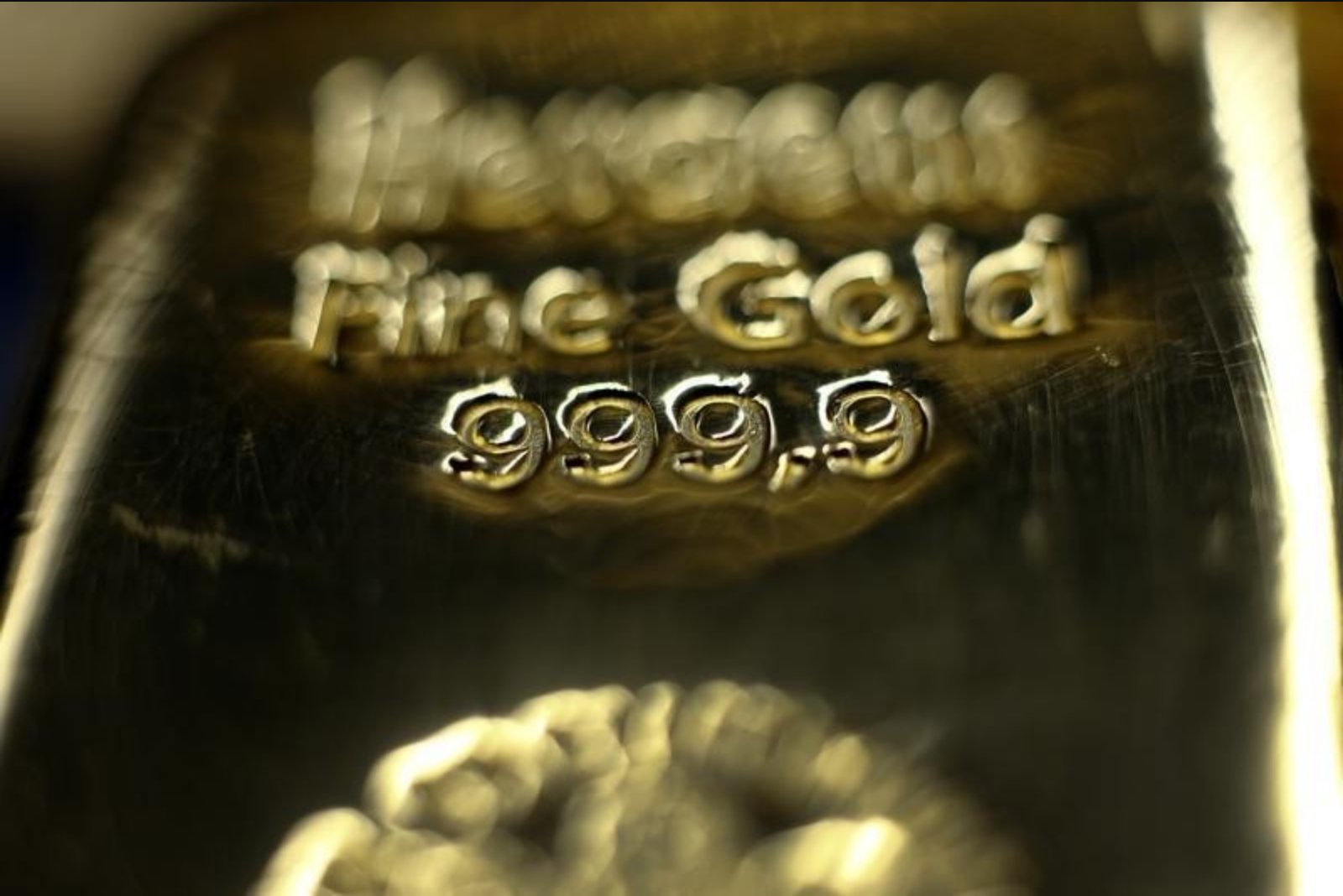
Gold and silver moved lower in Asian trading on Thursday after U.S. payrolls data released Wednesday showed stronger-than-expected job growth for January, a development that pared back expectations for deeper interest rate cuts from the Federal Reserve. Still, metals retained much of this week's earlier gains as investors continued to seek havens amid geopolitical strain.
Pricing and market moves
Spot gold dropped 0.5% to $5,060.47 an ounce. April gold futures declined 0.3% to $5,081.30/oz by 20:32 ET (01:32 GMT). Spot silver was down 1.7% at $82.8810/oz, while spot platinum fell 1.1% to $2,115.98/oz.
Drivers
The pullback followed the U.S. nonfarm payrolls release, which showed unexpected strength in the labor market for January. That print reduced the likelihood that cooling employment will force the Fed to deliver additional rate reductions in the near term.
According to CME FedWatch pricing referenced in market commentary, traders are placing a 94.1% probability on the Fed leaving interest rates unchanged in March, and a 78% probability that rates will remain steady in April. The payrolls number also triggered an overnight bounce in the dollar, which put additional pressure on metal prices.
In Asian trading the greenback steadied but remained down for the week in part because of pressure from a resurgent Japanese yen.
Upcoming economic cues
Markets are set to receive more U.S. economic data later in the week that could influence rate expectations, including consumer price index inflation data for January due on Friday, and weekly jobless claims data scheduled for later on Thursday. Inflation readings and labor market strength are highlighted as the Fed's two primary inputs when considering policy moves.
Geopolitical backdrop
Safe-haven demand for precious metals persisted amid ongoing tensions between the U.S. and Iran. While reports noted some progress in nuclear talks held over the weekend, U.S. preparations to deploy a second aircraft carrier to the Middle East were observed, supporting demand for havens. In related political developments, U.S. President Donald Trump repeatedly urged Tehran to accept a deal with Washington and met Israeli President Benjamin Netanyahu on Wednesday.
Context and market implications
While the stronger payrolls print tightened expectations for Fed easing and nudged the dollar higher, metals markets remained supported by geopolitical risk and a week-to-date softer dollar. Traders are monitoring the forthcoming inflation and weekly claims data closely for additional signals that could shift rate projections and influence precious metals prices.