
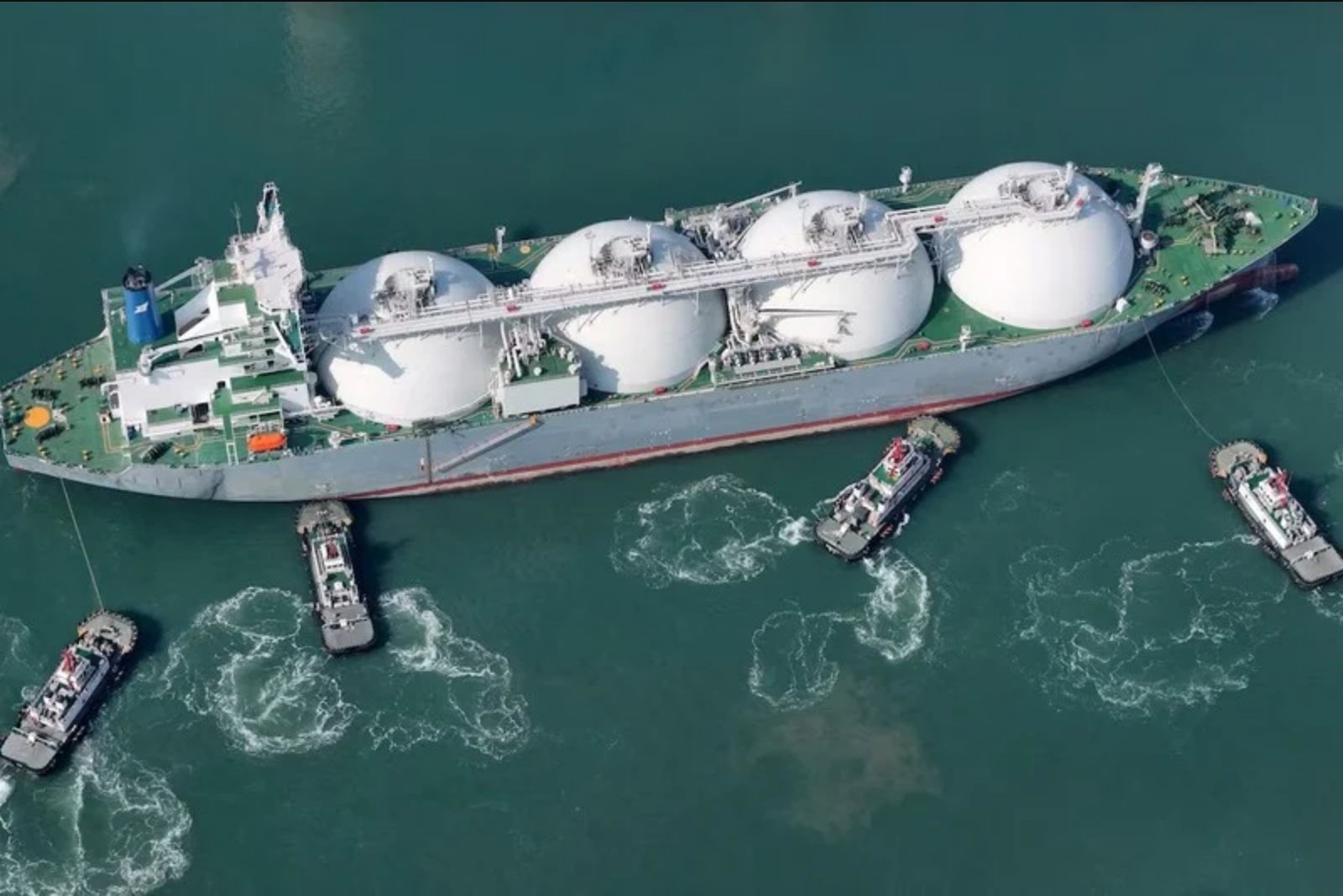
European natural gas markets firmed on Monday, as traders responded to conflicting information about shipping through the Strait of Hormuz and monitored high-stakes diplomacy between the United States and Iran.
The benchmark Dutch contract rose 1.1% to 42.57 per megawatt hour, while the British natural gas contract gained 1% to 102.02 pence per therm. These moves extended gains recorded on Friday as market participants reassessed near-term supply risk.
Market attention remains fixed on the diplomatic track after a Washington-Tehran peace deal was signed last week. Delegations from both sides began talks in Switzerland on Sunday as part of follow-up discussions, but traders were left cautious after U.S. President Donald Trump sought to temper optimism by threatening fresh military strikes - comments he tied to Hezbollah-related hostilities in Lebanon.
Complicating the supply picture, Tehran said the key energy chokepoint in the Strait of Hormuz had been closed once more. Maritime tracking information, however, showed ships continuing to transit the waterway, producing a muddled operational outlook for shipments and freight flows. That lack of clarity has left gas markets navigating a murky supply backdrop.
Storage metrics add to the sensitivity in European markets. EU gas storage sites were last 46.4% full, versus 55.4% at the same time a year earlier, according to reporting. Analysts and traders view that gap as an element underpinning the premium that prices continue to carry.
Even after recent de-escalation in the region, prices have not reverted to pre-war levels. The persistent premium reflects a structurally altered European energy system that relies more heavily on global LNG shipments, which are subject to greater volatility than pipeline supply.
Market context: The combination of ambiguous shipping reports, cautious diplomatic progress, and below-average storage has kept European gas prices elevated despite intermittent signs of easing in regional hostilities.