
Overview
When Shwe Theingi first met Wutt Yee Aung in 2019 at Dagon University, they were students making plans for the future. Wutt Yee Aung, then 19, was studying zoology and known for short hair, unassuming attire and a vocal presence in the student union. The two quickly formed a close friendship grounded in campus activism. In the same city and period, 19-year-old Khant Linn Naing balanced work at a printing press with history studies at another university and participation in his student union.
Those three young people represented a generation that had come of age in a Myanmar with more visible civic space - until the military seized power on February 1, 2021. In the months and years that followed, tens of thousands of young protesters took to the streets; many were later arrested, some joined armed resistance, others fled the country, and a number died while detained, according to interviews, letters from inmates, and prison monitoring organizations.
Monitors' tallies and corroboration
Two organizations that monitor Myanmar's prison system provided data documenting deaths among recent detainees. The Assistance Association for Political Prisoners (AAPP) reported that at least 74 political prisoners between the ages of 18 and 35 have died in detention since the coup. The Political Prisoners Network of Myanmar (PPNM) corroborated that figure and reported a broader total of 273 people charged with public incitement and insurrection who have died while incarcerated.
These numbers were presented alongside interviews with three associates and relatives of detained students, and with letters sent by inmates and by correctional authorities. Together, those materials sketch the most complete public account to date of the experiences of Wutt Yee Aung and Khant Linn Naing while in custody and the circumstances surrounding their deaths, though not every detail could be independently verified by the interviewees consulted.
Allegations of mistreatment and official response
The accounts collected echo allegations previously reported by U.N. investigators that described "systematic torture, killing and other serious abuses during interrogations and in detention facilities operated by the security forces of Myanmar." Requests for comment on specific allegations sent to the military government's information ministry were not answered. The foreign ministry of the junta previously issued a general denial of the U.N. reports, characterizing the findings as based on unverified data, and rejected the allegations without addressing specific incidents.
A generation affected
U.N. reporting has emphasized the disproportionate effect that arrests, torture, conscription and internal displacement have had on younger people in Myanmar. The U.N. Development Programme has estimated that between 300,000 and 500,000 young people fled Myanmar after the coup; the country's population is about 51 million.
As the crackdown intensified in 2021, some students chose to leave Yangon. Shwe Theingi left the city, while her friend Wutt Yee Aung remained active in protests until her arrest in September 2021. Following a junta court conviction on charges that included insurgency and incitement, Wutt Yee Aung was sentenced to seven years and sent to Insein prison in Yangon, a facility with a notorious reputation.
Prison correspondence and health complaints
Through letters and occasional phone calls, Wutt Yee Aung continued to communicate with family and friends. A handwritten letter from February 2024 requested a transfer of 200,000 kyat - roughly $100 by official exchange rates - and included a list of medications, among them drugs for nerve damage and asthma. In an undated letter to a friend, she appealed for about $150 to pay for a medical test and asked that her mother not be told.
According to statements from an associate and from the Dagon University Students' Union, Wutt Yee Aung sustained head injuries during interrogation within the two weeks after her arrest. She reportedly had no prior health conditions. Her condition worsened over time and she was treated at least once in a prison hospital in mid-2025, according to the associate.
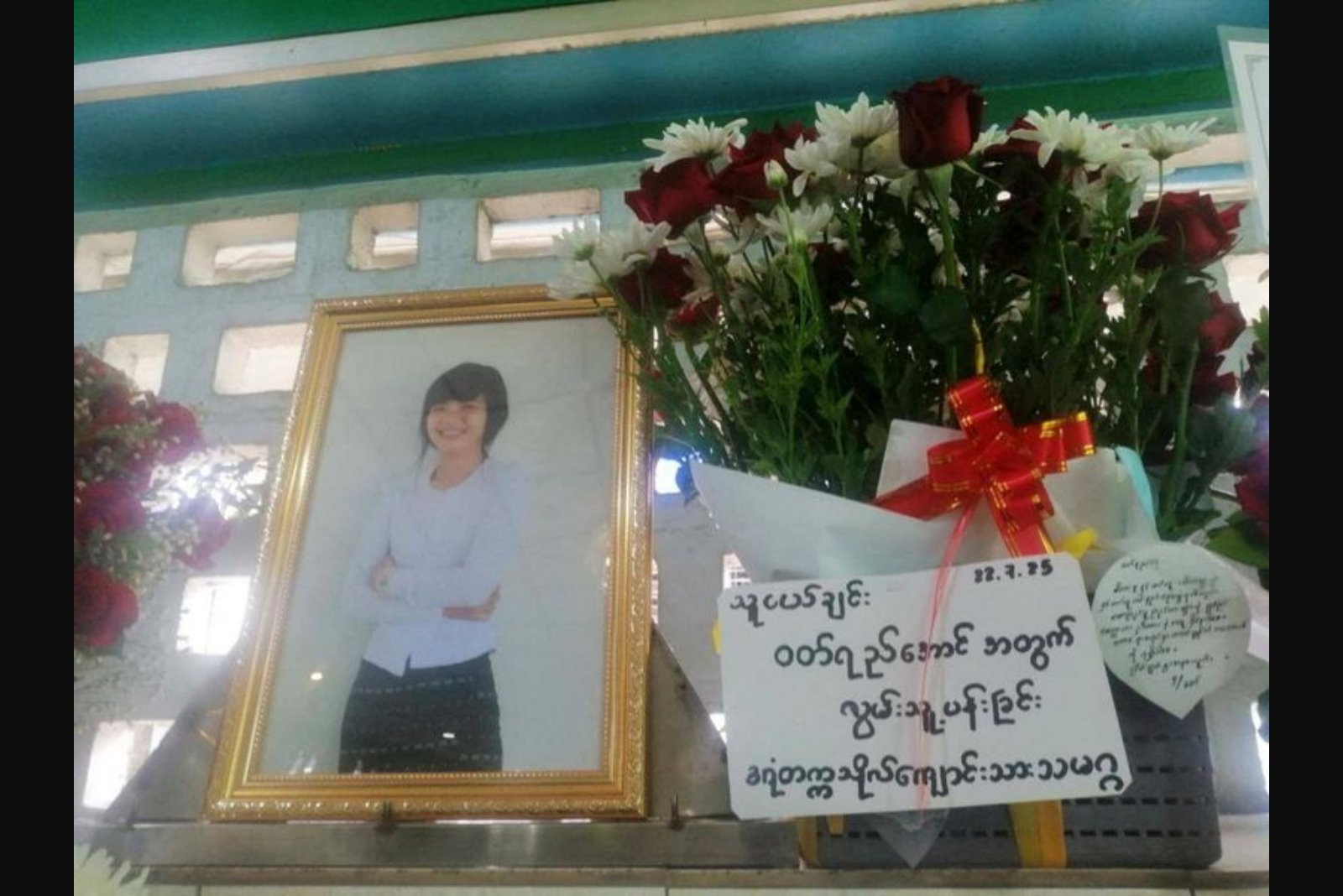
Wutt Yee Aung died in custody on July 19, 2025, at age 25. Prison authorities told her family that the cause of death was a heart condition. The student union issued a statement challenging that account, saying that inadequate medical treatment, shortages of medicine and restricted family contact contributed to her death at around 9:30 p.m. on July 19, 2025.
Death during transfer - family questions circumstances
The family of Khant Linn Naing learned of his arrest through broadcast news in December 2021. He was accused of incitement and insurrection and detained at Daik-U prison, roughly 110 kilometers from Yangon. A junta court later sentenced him to 15 years.
In July 2023, correctional authorities sent the family a letter stating that Khant Linn Naing had been shot and killed while trying to escape during a prison transfer. A relative who relayed the contents of that notice to interviewers spoke on condition of anonymity, citing fear of retaliation. Interviewers also reviewed a June 2023 letter from Daik-U prison to the family of another inmate, reporting that the other detainee had been killed after security personnel fired "warning shots" when he attempted to escape during a transfer.
A colonial-era prison manual, which a lawyer and a prison monitor said remains in use by correctional authorities, allows the use of weapons against inmates attempting to flee only when there are no other means to prevent escape. The letters provided to families did not offer further detail about how the alleged escape attempts unfolded, and the information ministry did not respond to requests for specific clarifications.
Khant Linn Naing's parents were not given access to his remains, and more than two years after receiving the notice they had not held a funeral, the relative said. Because the letter describing his death lacked clarity, the family has expressed doubts about whether he is in fact deceased.
Questions raised by prison monitors
PPNM officials expressed skepticism about the official description of Khant Linn Naing's alleged escape attempt. A PPNM spokesperson said it was unlikely that a prisoner would be able to attempt an unaccompanied escape during transfer because detainees are normally restrained and paired with police officers. The organization said it had been told by prison sources that Khant Linn Naing had been subjected to harsh interrogations shortly before the reported transfer.
Broader political context
In the years since the student protests, youth-led uprisings have reshaped politics in multiple countries across Asia. In Myanmar, however, the country's generals have retained power. While the junta has lost ground in parts of the borderlands, it has responded to the conflict by introducing conscription measures and expanding aerial capabilities. A recent three-phase election concluded this month and results are expected to favor a military-backed party.
Personal stories and lost futures
For those who knew Wutt Yee Aung, the loss is also the loss of simple personal ambitions. "I wanted to become a news presenter. Wutt Yee wanted to do more volunteer work," the associate recalled. Each had different plans for the future before the coup interrupted their lives.
The accounts collected from family members, student unions and prison monitor groups present a pattern of arrests, limited medical attention and opaque notification practices that have left relatives with questions and few answers. The tallies from the monitoring organizations also underscore a broader toll among young detainees: dozens of deaths in custody and hundreds more who have perished after being charged with incitement and insurrection.
Note on reporting
This article draws on interviews with relatives and associates of detained students, letters purportedly written by inmates and communications from correctional authorities, and data provided by organizations that track political prisoners and detention conditions in Myanmar.