
BEIJING, April 10 - President Xi Jinping told Kuomintang (KMT) chairwoman Cheng Li-wun on Friday that people on both sides of the Taiwan Strait are Chinese and that the trajectory of cross-strait relations belongs in the hands of the Chinese people.
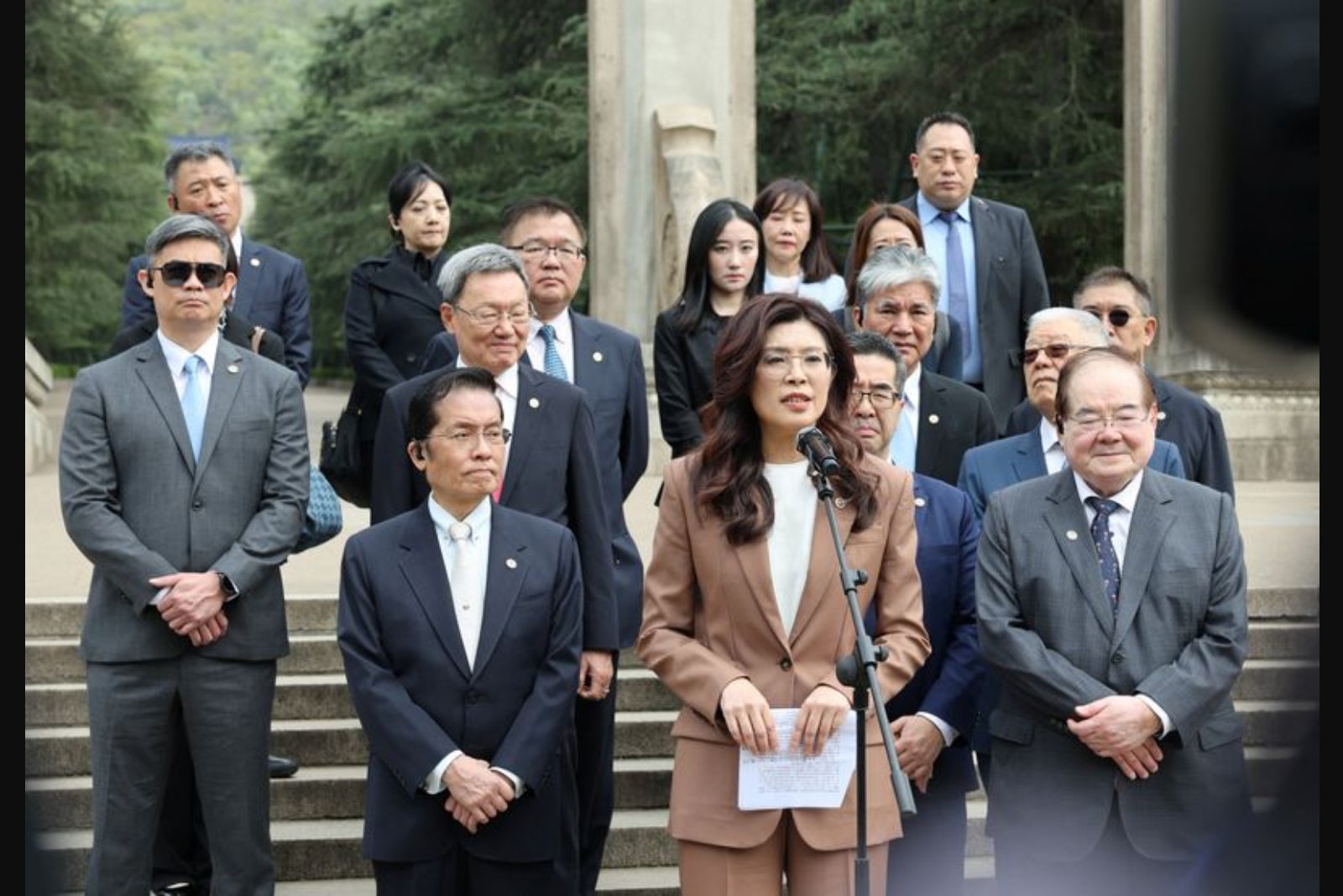
Cheng, who leads Taiwan’s largest opposition party and is in China on what she has described as a peace mission to ease rising tensions, met Xi in the Great Hall of the People. Her visit comes amid an increase in military pressure by Beijing on the island it claims as its territory.
Speaking at the meeting, Xi said that the world today is not wholly at peace and stressed the value of peace. "Compatriots on both sides of the strait are all Chinese - people of one family who want peace, development, exchange, and cooperation," he said, according to remarks carried by Taiwan television stations. "This is the common voice of our people. The leaders of our two parties are meeting today in order to safeguard the peace and stability of our shared homeland, to promote the peaceful development of cross-strait relations, and to allow future generations to share in a bright and beautiful future."
Xi said China was prepared, on the shared political foundation of opposing Taiwan independence, to deepen exchanges and dialogue with various political parties including the KMT, "to firmly hold the future of cross-strait relations in the hands of the Chinese people themselves."
Cheng told Xi she hoped the combined efforts of both parties would remove the Taiwan Strait as a flashpoint and ensure it did not become a "chessboard for outside forces to intervene in." She called for planning and building institutionalised, sustainable mechanisms for dialogue and cooperation across the strait.
The meeting underscored continuing geopolitical tensions surrounding Taiwan. The United States, while lacking formal diplomatic ties with Taipei, remains Taiwan’s most important international backer and its principal arms supplier. Beijing has repeatedly demanded that Washington cease arming Taipei. The United States has supported Taiwan’s government plans to increase defence spending.
China has declined to engage with Taiwan President Lai Ching-te, whom Beijing describes as a "separatist." Lai’s administration has urged Cheng to tell Beijing to halt its threats and has said that China should engage with Taiwan’s democratically elected government in Taipei.
Summary: President Xi and KMT chairwoman Cheng Li-wun met in Beijing where Xi emphasized a shared Chinese identity across the Taiwan Strait and advocated strengthened political dialogue on the basis of opposing Taiwan independence. Cheng sought institutionalised mechanisms for cooperation and warned against external interference. The meeting occurred amid heightened military pressure from Beijing and ongoing US arms support for Taiwan.