
World April 8, 2026

Vance Says Trump Pressing for Rapid Progress in Iran Negotiations

Vice President describes a 'fragile truce' and says U.S. negotiating team has been ordered to engage Iran in good faith

By Marcus Reed
Vance Says Trump Pressing for Rapid Progress in Iran Negotiations

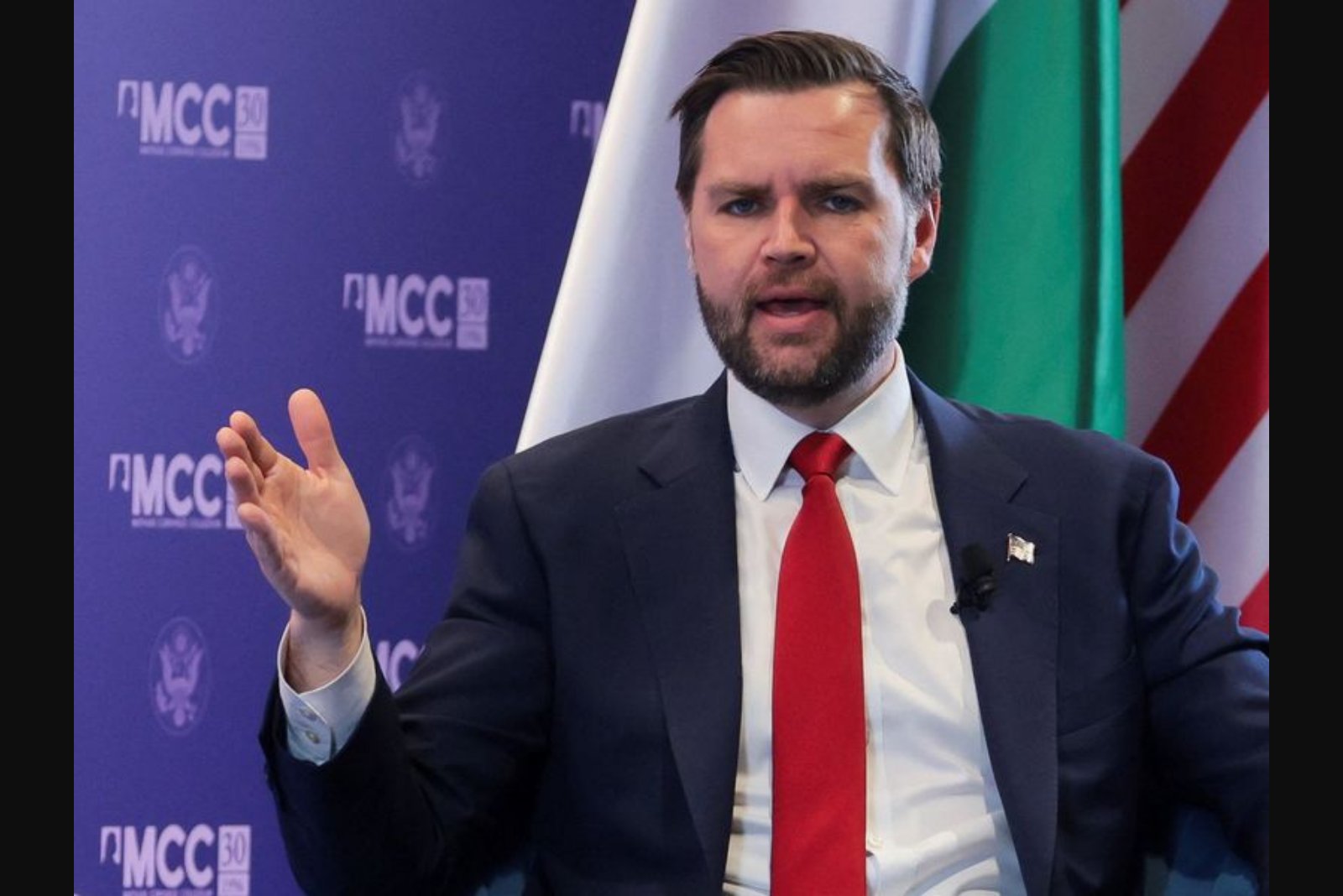
Speaking in Budapest, Vice President JD Vance said President Donald Trump is eager to see swift advancement toward ending the Iran war and has instructed his diplomatic team to pursue talks in good faith. Vance warned that while some Iranian elements appear receptive, others remain resistant, calling the current pause a "fragile truce." The comments come after a Pakistan-brokered, two-week ceasefire intended to pause a six-week conflict that has caused heavy casualties and major disruption to global energy supplies.

Key Points

  • President Trump has instructed his negotiating team, including the secretary of state and special envoy Steve Witkoff, to pursue talks with Iran in good faith.
  • Vice President JD Vance described the current pause in fighting as a "fragile truce," noting mixed signals from different parts of the Iranian system.
  • A Pakistan-brokered, two-week ceasefire could pause a six-week conflict that has caused thousands of deaths and significant disruption to global energy supplies - sectors likely affected include energy and shipping.

At an event in Budapest, Vice President JD Vance said on Wednesday that President Donald Trump is "impatient" to achieve progress toward ending the ongoing Iran war and has directed U.S. negotiators to engage the Iranians sincerely. Vance framed the present situation as tenuous, noting that certain parts of the Iranian system seemed to be approaching talks constructively while other elements were not.

Vance described the pause in hostilities as a "fragile truce" and said the President had made his stance clear to the negotiating team. "The President of the United States has told me, and he’s told the entire negotiating team, secretary of state, the special envoy Steve Witkoff, he said, go and work in good faith to come to an agreement," Vance said.

He added that the President's impatience was aimed at making tangible progress. "He’s impatient. He’s impatient to make progress. He has told us to negotiate in good faith, and I think if they negotiate in good faith, we will be able to find a deal. But that’s a big if, and ultimately, it’s up to the Iranians how they negotiate. I hope they make the right decision," Vance said.

The United States and Iran have accepted a two-week ceasefire that was brokered by Pakistan. The agreement has the potential to halt a conflict that has lasted six weeks, resulted in thousands of deaths, spread across the Middle East and produced unprecedented disruption to the world’s energy supplies.

President Trump announced the ceasefire agreement late on Tuesday, doing so roughly two hours before a deadline he had given for Iran to reopen the blockaded Strait of Hormuz. He had warned that failure to do so could lead to the destruction of its "whole civilisation."

Vance’s remarks underline both the administration’s push for a negotiated outcome and the uncertainty surrounding how Iran’s leadership will respond. The ceasefire provides a narrow window for diplomacy, and the U.S. negotiating team has been explicitly instructed to pursue discussions in good faith while the ultimate course depends on Iranian choices.


Context limitations: The details available are confined to the statements and developments reported at the event in Budapest and the announcement of the Pakistan-brokered ceasefire. Where information is limited, the assessment remains cautious and tied to the facts provided.

Risks

  • The ceasefire is fragile and could break down if Iran does not negotiate in good faith - this poses risks to energy markets and maritime shipping through the Strait of Hormuz.
  • Parts of the Iranian system are not engaging constructively, creating uncertainty about whether a negotiated settlement can be reached within the two-week window.
  • The short timeframe of the ceasefire leaves limited room for durable agreement, increasing the risk of a return to hostilities with wider regional implications.

More from World

Ceasefire Mediated by Pakistan Brings Two-Week Pause; Major Gaps Remain Between U.S. and Iran Proposals Apr 8, 2026 Los Angeles 'Ketamine Queen' Faces Sentencing in Matthew Perry Drowning Case Apr 8, 2026 Evangelical Leaders Reinforce Trump’s Religious Framing of Conflict with Iran Apr 8, 2026 Peru’s Presidential Field: Profiles of the Leading Contenders Ahead of April Vote Apr 8, 2026 Trump Welcomes NATO Chief as Iran Conflict Deepens Transatlantic Rift Apr 8, 2026