
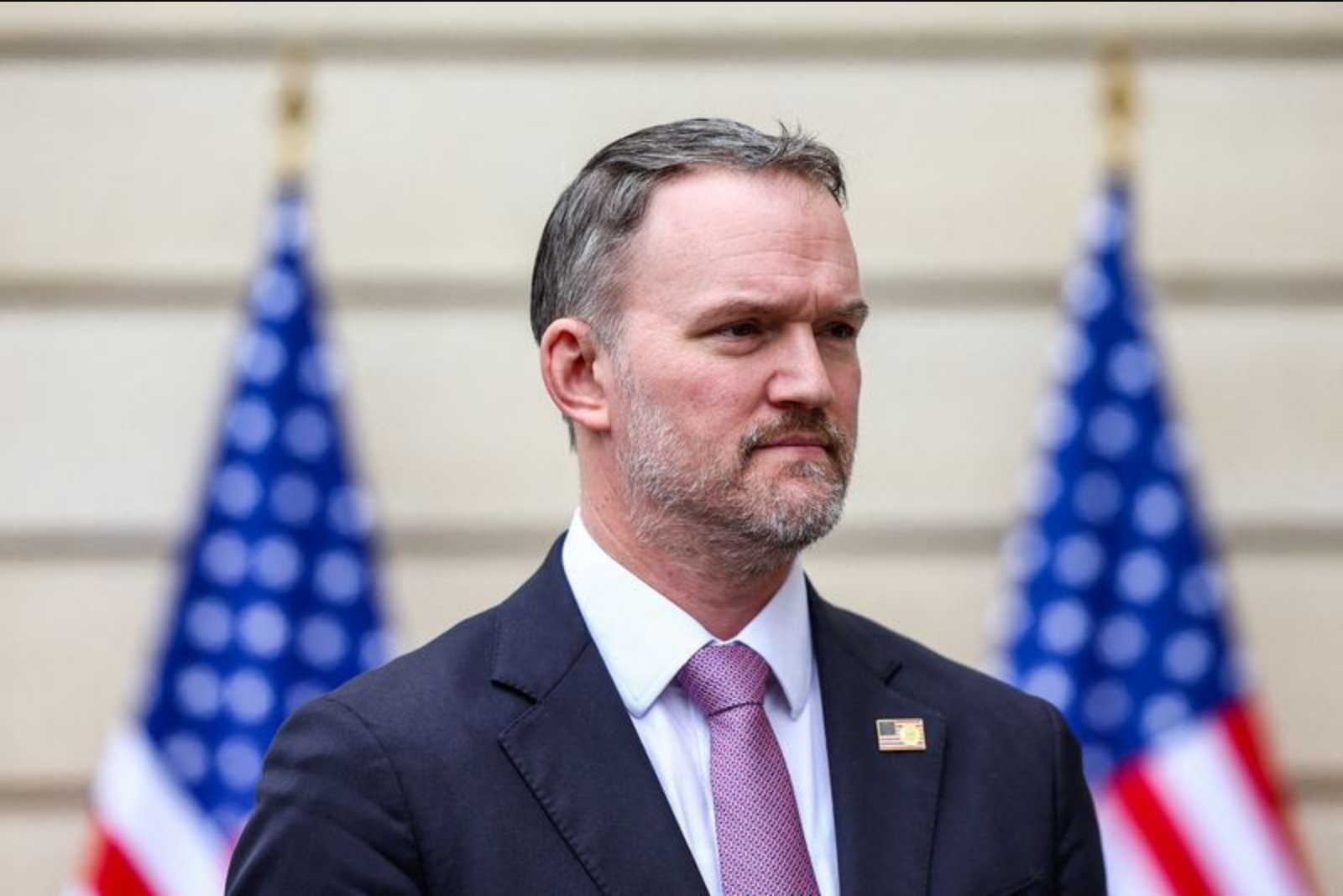
U.S. Trade Representative Jamieson Greer said on Friday that Washington is working to preserve a steady economic relationship with China, but cautioned that Beijing’s engagement with Iran could disrupt that goal if it runs counter to U.S. interests.
In an interview on CNBC, Greer emphasized the differences between the two economies, saying that their fundamental aims diverge even as both sides seek a degree of stability. He stated:
"The underlying goals of our economies are so different. But there’s a way where we can have some economic stability. If China is going to be involved in Iran in a way that’s harmful to U.S. interests, then that obviously complicates it, and that’s China’s responsibility to eliminate that,"
Greer also voiced expectations that President Donald Trump will have a productive meeting next month with Chinese President Xi Jinping. He framed the trip against the backdrop of trade policy actions taken the previous year, noting that Washington had introduced broad and at times erratic global tariffs a year prior.
Asked about the broader state of U.S.-China relations, Greer underscored ongoing efforts to maintain stability in trade and economic ties while acknowledging that not all disputes have been settled. He said:
"I think the thing to remember with China is, although we’re trying very hard to have stability with China, particularly in trade and economics, not every challenge with them is resolved,"
Greer’s remarks place potential Chinese involvement with Iran squarely as a factor that could complicate bilateral economic engagement. His comments reiterate a dual approach: seeking steady economic interaction while warning that actions perceived as contrary to U.S. interests could undermine that objective.
Context provided in the statements:
- The U.S. seeks stability in economic and trade relations with China despite differing economic goals.
- Chinese involvement with Iran, if harmful to U.S. interests, would complicate efforts at stability.
- A presidential meeting between the U.S. and China is expected next month, coming after a period of broad global tariffs imposed by Washington the previous year.