
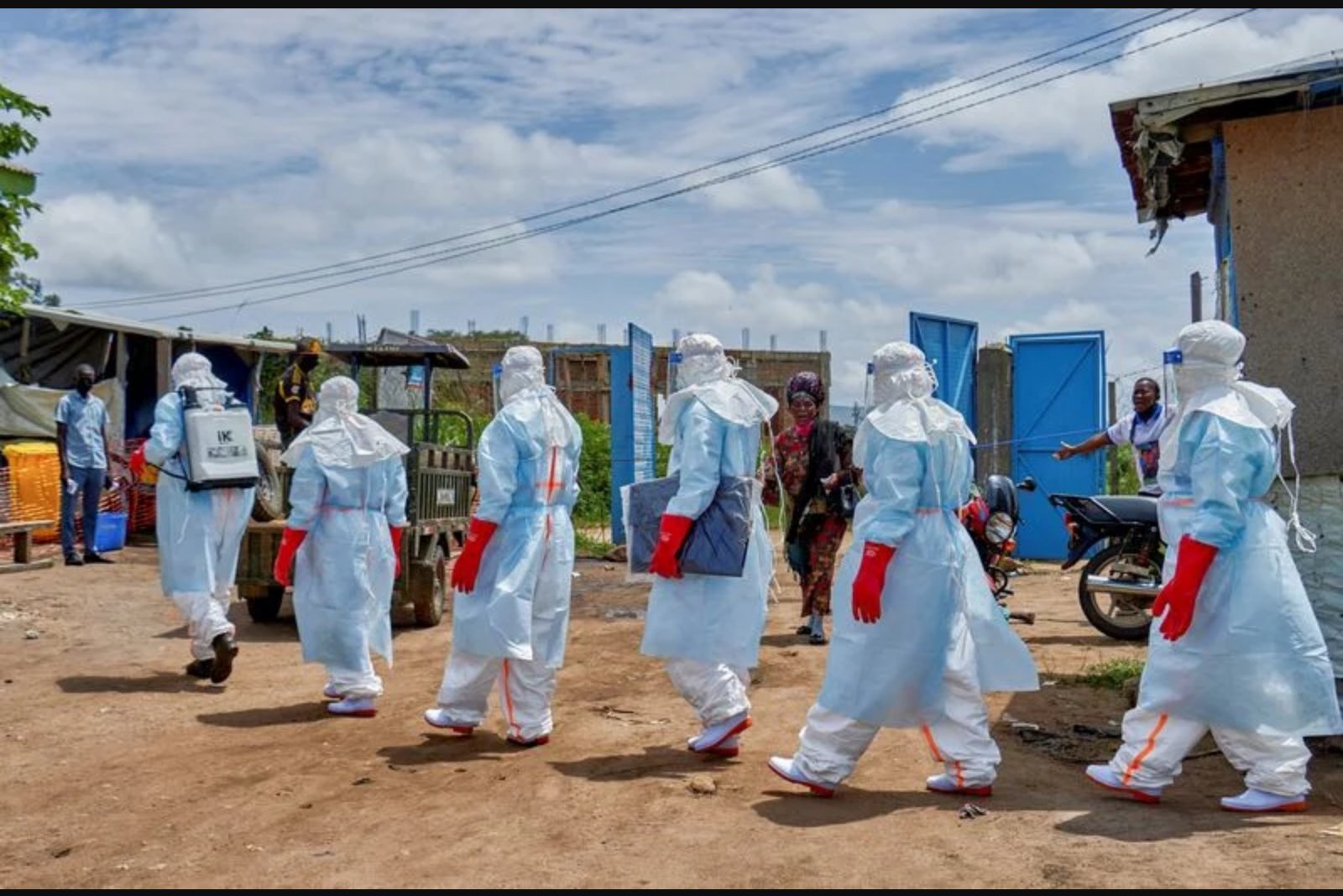
The U.S. administration has urged European capitals to mirror Washington's own travel measures for people recently in Central African countries where a Bundibugyo strain of Ebola is active, officials and sources said. The diplomatic push, delivered to European governments on June 1 in a formal demarche, seeks to limit international spread of the virus as large numbers of travelers converge for the FIFA World Cup.
A European Union diplomat based in Africa and a second source familiar with the matter confirmed the U.S. demarche had been issued. The diplomat said EU member states had not provided a response to the request.
Last month the U.S. Centers for Disease Control and Prevention issued an order that bars noncitizens who have been in the Democratic Republic of Congo, Uganda or South Sudan within the preceding 21 days from entering the United States. The CDC also directed U.S. citizens to route through selected airports where screening measures would be applied.
Secretary of State Marco Rubio has framed the effort as a preventive measure, saying the Ebola virus must not be permitted to enter the United States. The administration’s actions have emphasized stopping the arrival of potentially exposed individuals abroad, even though the country maintains facilities capable of treating and containing Ebola cases.
A State Department official, speaking on background, said the combination of the travel restrictions and the funding the U.S. has committed to the Ebola response demonstrated that Washington had "stepped up" to protect Americans from the outbreak.
"Other countries must do their part to ensure this outbreak does not spread further. Action is required now. That includes financial contributions and implementing commonsense restrictions on travel from the affected area," the official said, adding that diplomatic engagement was under way to coordinate protection measures for citizens, visitors, athletes and fans expected during the World Cup.
The official did not offer additional comment on the formal request to European governments, a step that was first reported by Axios. The European Union did not immediately respond to requests for comment. The State Department said Secretary Rubio spoke with European Commission President Ursula von der Leyen on Tuesday to discuss the international response to the outbreak.
Tommy Pigott, a State Department spokesperson, summarized the Department’s priorities in a readout of the call, stating that the highest focus remained protecting the health of American people and preventing the outbreak from reaching U.S. shores.
In addition to diplomatic efforts and entry controls, the administration highlighted its material and financial assistance to the affected countries. The U.S. has delivered 150 tons of medical supplies and has pledged more than $200 million directly to the response, the administration says, a contribution it characterizes as the largest financial support to the Ebola effort.
The broader context for the U.S. response includes domestic debate over earlier decisions that reduced aid capacity; critics have pointed to the prior shuttering of a major aid agency and cuts to aid funding in the period before the outbreak. The administration’s supporters point to the tangible shipments and funding commitments as evidence of stepped-up engagement.
The outbreak has already affected travel considerations ahead of the FIFA World Cup, which will be hosted by the United States, Canada and Mexico and begins on Thursday. U.S. officials have framed their diplomatic and logistical measures as protecting citizens and the millions expected to attend or travel for the event.
Reporting limitations: Where material in this story is limited to comment from anonymous officials or diplomatic sources, those constraints are reflected rather than expanded upon.