
World January 24, 2026

U.S. Moves to Extradite Alleged Los Lobos Leader from Spain, Ecuadorian Official Says

Ecuador says U.S. Attorney's Office has opened proceedings against Wilmer Geovanny Chavarria Barre, known as 'Pipo', after his arrest in Malaga

By Jordan Park
U.S. Moves to Extradite Alleged Los Lobos Leader from Spain, Ecuadorian Official Says

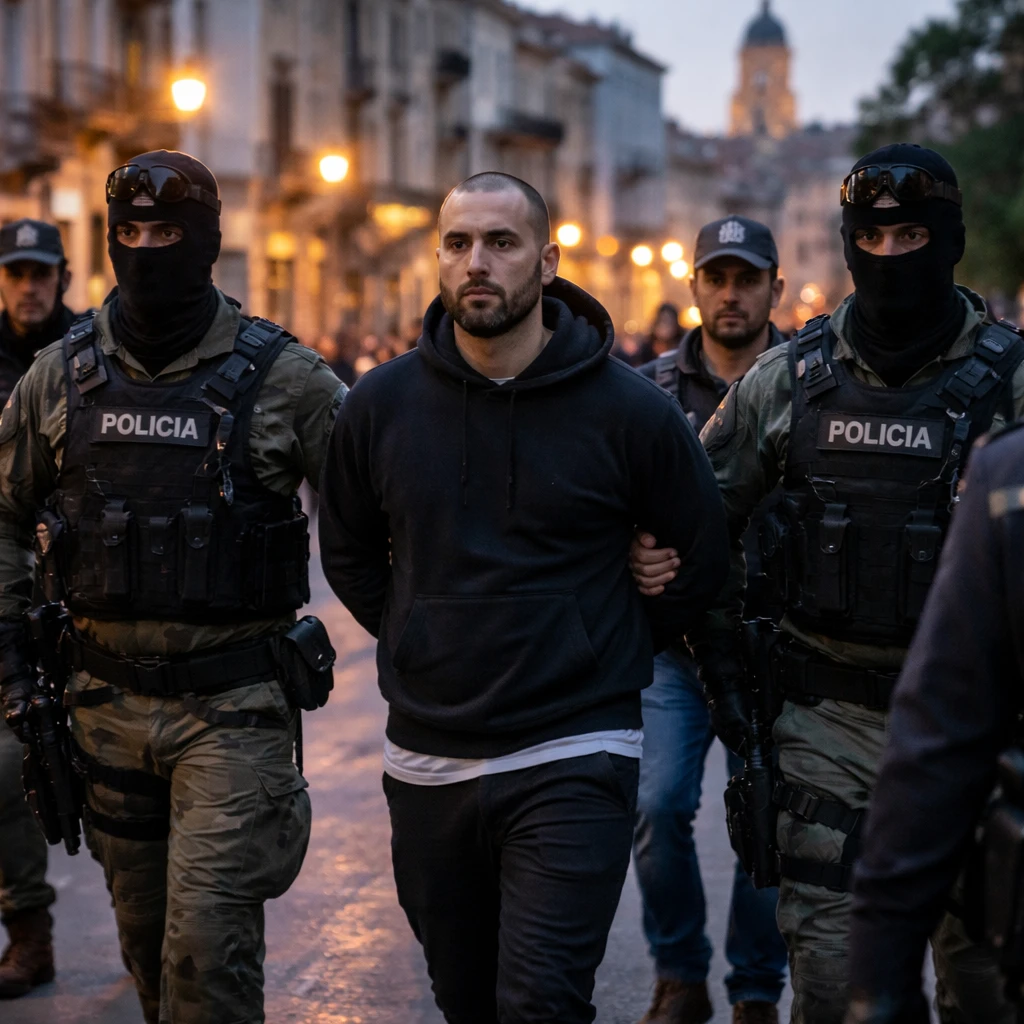
Ecuador's interior minister said the United States has filed charges against Wilmer Geovanny Chavarria Barre, alias 'Pipo', the alleged head of the Los Lobos drug trafficking organization, setting in motion efforts for his direct extradition from Spain. Chavarria was detained in Malaga in November during a coordinated operation between Ecuadorean and Spanish authorities. Officials accuse him of directing drug routes linked to Mexico's Jalisco New Generation Cartel, overseeing illegal mining, faking his death and continuing to order killings while hiding in Europe.

Key Points

  • The U.S. Attorney's Office has filed charges against Wilmer Geovanny Chavarria Barre, known as "Pipo", enabling a potential direct extradition from Spain to the United States - sectors affected: international law enforcement and legal systems.
  • Chavarria was arrested in Malaga in November during a joint Ecuadorean-Spanish operation; Ecuadorian authorities allege he led Los Lobos and oversaw drug routes linked to Mexico's Jalisco New Generation Cartel - sectors affected: security and criminal justice.
  • Officials accuse Chavarria of controlling illegal mining operations and of faking his death while continuing to order killings; the gangs involved were designated foreign terrorist organizations by the United States - sectors affected: mining, public security and government operations.

QUITO, Jan 24 - The United States has initiated legal action against Wilmer Geovanny Chavarria Barre, widely known by the alias "Pipo", a move Ecuador's interior minister says opens the door to a direct extradition from Spain to U.S. custody. Interior Minister John Reimberg announced on X late on Friday that the U.S. Attorney's Office had begun proceedings against Chavarria, describing the international coordination that led to the filing as "strategic and firm".

Chavarria was arrested in Malaga in November during an operation that Ecuadorean and Spanish police carried out together. President Daniel Noboa publicly disclosed the capture on November 16, calling it an important achievement in his government's campaign against powerful criminal gangs in Ecuador.

Ecuadorian authorities have accused Chavarria of a range of criminal activity. Officials say he managed drug trafficking routes tied to Mexico's Jalisco New Generation Cartel and exercised control over illicit mining operations. They have also alleged that he faked his own death, adopted a false identity and took refuge in Europe while continuing to issue orders for killings inside Ecuador.

Interior Minister Reimberg has previously attributed a large number of homicides to Chavarria's command, saying the suspect was responsible for at least 400 deaths and that he continued to direct criminal operations even while imprisoned between 2011 and 2019.

"No shelters, no borders and no impunity," Reimberg said, framing the case as evidence of persistent international cooperation against organized crime.

Los Lobos, the gang Chavarria is alleged to lead, is considered one of the largest drug trafficking organizations operating out of Ecuador. The group, alongside the rival gang Los Choneros, was designated a foreign terrorist organization by the United States in September.

The arrest and the U.S. filing come against a backdrop of rising violence in Ecuador. President Noboa has pursued a tough security approach, including deploying the military to confront gangs, as the country confronts what officials describe as its worst wave of violence in decades. Authorities and analysts caution, however, that removing senior gang figures can also have destabilizing effects, potentially triggering further clashes as rival groups contest territory and influence.

With the U.S. Attorney's Office having initiated proceedings, Ecuadorian officials say the path is now open for a direct extradition from Spain to the United States. The case underscores sustained cross-border cooperation between law enforcement agencies in the region and in Europe in addressing transnational organized crime.

Risks

  • The arrest of a senior gang leader can prompt intensified violence as rival groups move to seize territory and influence, posing risks to public security and economic stability in affected regions - sectors impacted: security and local business.
  • Allegations that the suspect continued to direct criminal activity while imprisoned and hid in Europe highlight the resilience of transnational criminal networks, complicating law enforcement efforts - sectors impacted: international law enforcement and judicial processes.

More from World

U.S. Olympic hospitality site renamed 'Winter House' after protests over ICE shootings Feb 2, 2026 Greenland’s premier says U.S. still aims for control despite ruling out military action Feb 2, 2026 Kremlin says Russia has long offered to process or store Iran’s enriched uranium Feb 2, 2026 Long-Awaited Rafah Reopening Prompts Hope and Anxiety Among Palestinians Stranded Across Border Feb 2, 2026 Rafah Reopens but Core Questions Persist Over Implementation of Trump’s Gaza Blueprint Feb 2, 2026