
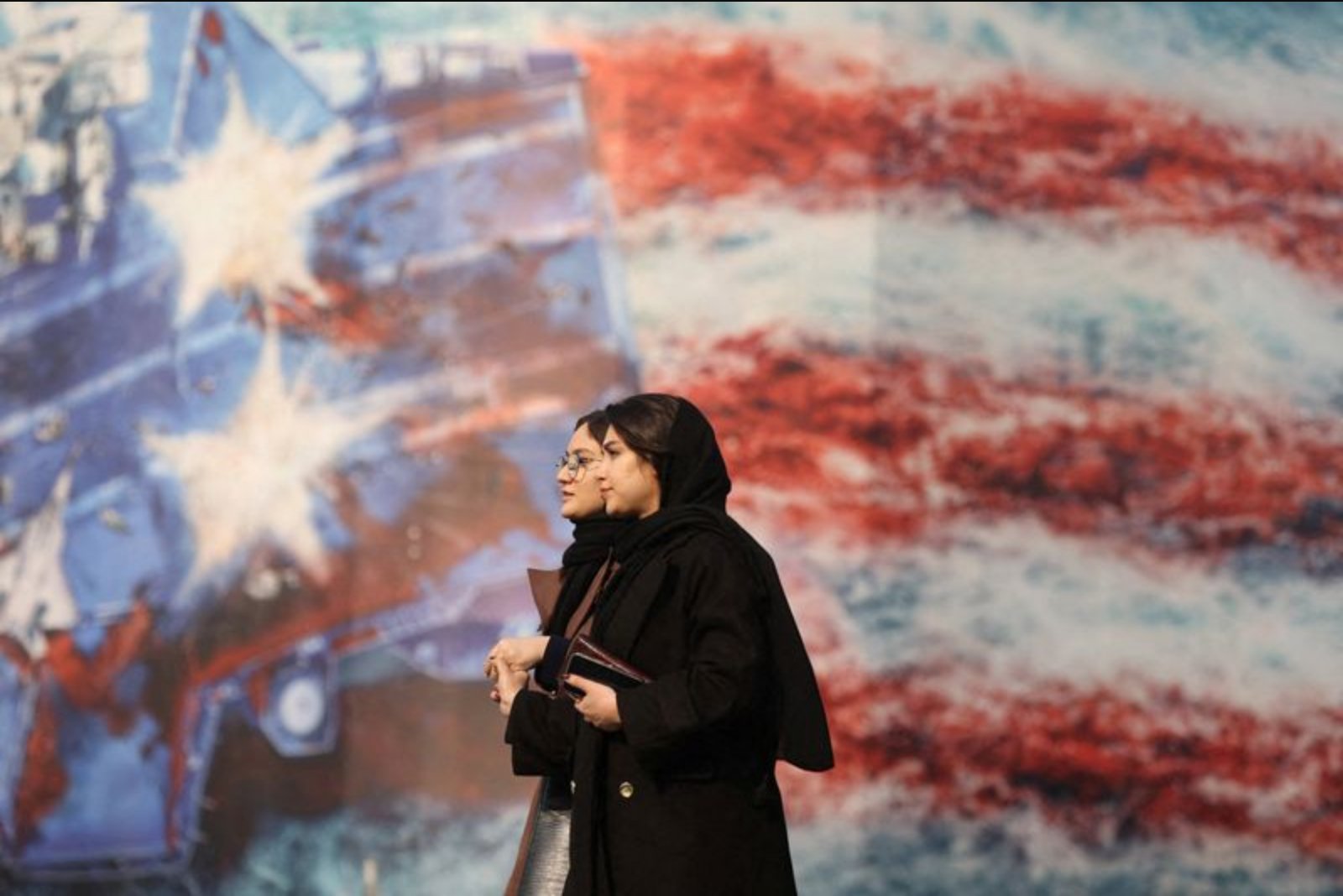
Senior U.S. and Iranian envoys are set to hold talks in Oman on Friday, a meeting that comes against a backdrop of intensified regional conflict and public threats of force from the White House. Washington has said it wants a broad set of topics on the table, while Tehran has signalled it will limit its participation to discussions on its nuclear programme.
U.S. Secretary of State Marco Rubio told reporters on Wednesday that the U.S. expects the talks to address four key dimensions: Iran’s nuclear work, its ballistic missile capabilities, its support for armed groups across the region, and the "treatment of their own people." Iranian officials have pushed back, stating they will engage only on questions directly related to their nuclear activities.
Key dossiers on the agenda
Nuclear programme
Concerns over Iran’s nuclear activities stretch back decades. In 2003, the International Atomic Energy Agency reported that Iran had not complied with the Nuclear Nonproliferation Treaty after revelations of secret nuclear work. The NPT allows states to pursue civilian nuclear energy but bars the development of nuclear weapons and related technologies, notably uranium enrichment for military ends.
Western nations responded to those revelations with a combination of sanctions and diplomatic efforts, driven by worries that Iran might be pursuing a weapons capability despite Tehran’s repeated denials. In 2015, Iran reached an agreement with western powers as well as China and Russia that imposed tight limits on its nuclear work while easing some sanctions. The accord was hailed at the time as a major foreign policy achievement for the Obama administration.
During Donald Trump’s first presidency, the United States withdrew from that agreement, with the then-president calling it the "worst deal ever." Under the subsequent Biden administration, indirect talks resumed but produced limited progress. Iranian enrichment levels rose, with Tehran producing uranium enriched to 60% fissile purity - a level reported as not far from the 90% enrichment generally associated with weapons-grade material.
When Trump returned to the White House in 2025, he stated that Iran had to agree to a new nuclear deal or face bombing. Multiple rounds of negotiations failed to reach an agreement. In June of last year, Israel carried out strikes it said were intended to prevent Iran from acquiring nuclear weapons. The United States joined that campaign on June 22, striking Iranian nuclear sites before brokering a ceasefire. The current condition of the facilities hit in those operations remains unclear.
Ballistic missiles
Iran possesses one of the largest ballistic missile inventories in the Middle East. It launched missiles directly at Israel for the first time in 2024, a response to an Israeli attack on Iran’s embassy compound in Damascus, as the broader conflict spread following Hamas’ attacks on October 7. During the subsequent war, Iran fired hundreds of missiles at Israel, causing dozens of fatalities and testing Israel’s layered air defence systems.
Iranian Foreign Minister Abbas Araqchi stated on January 30 that Iran’s defensive and missile capabilities "will never be the subject of any negotiations." U.S. officials, including Secretary Rubio, maintain that meaningful talks must encompass the range and scope of Iran’s ballistic missile forces.
Israeli leaders have tied the concern about the missile arsenal to fears over Iran’s nuclear ambitions. Prime Minister Benjamin Netanyahu described in January Iran’s pursuit of atomic weapons and its reported inventory of 20,000 ballistic missiles as comparable threats, using a vivid analogy to underscore the scale of the perceived danger.
Regional proxies and allies
Tehran has extended its influence across the region by supporting a range of armed groups, including Hamas and Lebanon’s Hezbollah, commonly referred to by Iranian strategists as the "Axis of Resistance." On the eve of the October 7 attacks, those groups had become a significant challenge to Israel. In the clashes that followed, Israel struck major blows against Hezbollah and Hamas.
Tehran’s regional influence was also affected by the ouster of its Syrian ally Bashar al-Assad. Even so, neither Hamas nor Hezbollah has acceded to demands for disarmament. In Iraq, Washington has sought to curtail the activities of Iran-backed militias, and Reuters has reported that U.S. officials threatened senior Iraqi politicians with sanctions that could target the Iraqi state itself - including the country’s critical oil revenues - if Iran-aligned groups were to be part of a future government.
The Iran-aligned Houthi movement in Yemen, which has fired missiles at Red Sea shipping and at Israel during the Gaza war, continues to control Yemen’s most populous areas, consolidating its hold on key territories.
Domestic unrest in Iran
In December, nationwide protests began over economic hardship and escalated into wider demonstrations demanding an end to clerical rule. The unrest became the deadliest in Iran since the 1979 revolution, with reports indicating thousands were killed. Tehran responded with a harsh crackdown, accusing foreign adversaries of stirring the unrest.
During that period of turmoil, President Trump intensified warnings against the Iranian leadership. He cautioned Tehran against shooting protesters and promised to "take very strong action" if Iran carried out executions of demonstrators. He later said that Tehran had called off planned mass hangings.
What the Oman talks will test
The upcoming meetings will test whether Washington can persuade Tehran to broaden the agenda beyond nuclear matters and whether Iran will maintain its position to confine discussions to the nuclear file. The outcome could have implications for regional stability and for international efforts to control proliferation, but the two sides begin the talks with sharply different lists of priorities.
This negotiation is unfolding after a period of direct military action, high-level threats, and internal unrest inside Iran, all of which shape the fragile context in which diplomats will attempt to find common ground.