
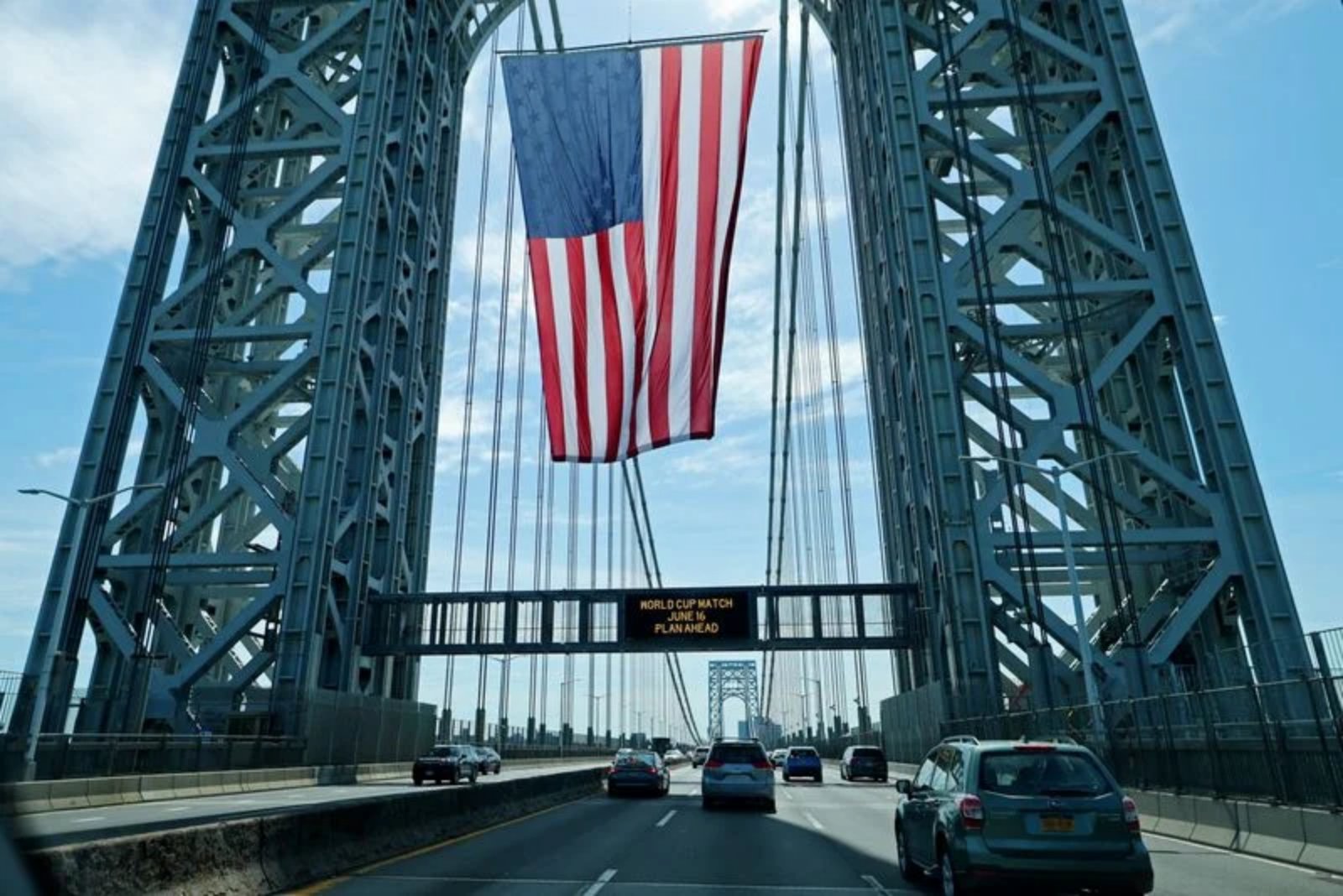
The probability that a person carrying Ebola will reach the United States during the 2026 World Cup is small, yet not nil, according to U.S. infectious disease specialists. They say hospitals and public health systems in match host cities are more prepared now than in prior outbreaks, but vulnerabilities persist while the outbreak in the Democratic Republic of Congo continues.
Experts point to major investments and training since the 2014 West African Ebola epidemic as critical to current readiness. That earlier outbreak included a high-profile case in Dallas, where a Liberian man, Thomas Eric Duncan, arrived at a hospital with Ebola symptoms, was initially turned away, and later infected two nurses who survived. The U.S. response to that episode led to $260 million in federal funding for Ebola preparedness and the establishment of 13 specialized treatment centers designed to help hospitals identify, isolate and safely care for suspected Ebola patients.
"We’re not going to be able to prevent 100% of infections, but we certainly are the most prepared that we have ever been," said Dr. Gavin Harris, an expert in serious communicable diseases at Emory University in Atlanta, which is one of 11 U.S. World Cup host cities. Harris described a sustained effort to build capacity across clinical centers since the mid-2010s, emphasizing training and the dissemination of best practices that emerged from facilities that cared for Ebola patients during the prior outbreak.
The World Cup is expected to draw roughly 6.5 million fans across North America over a 39-day schedule of 104 matches played in the United States, Mexico and Canada. That scale has prompted public health planners and hospital systems in host cities to prepare for a range of infectious disease threats, including illnesses that commonly spread in large gatherings such as measles, COVID-19 and influenza - threats that U.S. and international agencies have flagged as more likely to cause transmission at mass events than Ebola.
Still, the ongoing Ebola outbreak in the DRC remains a concern. Officials report the outbreak has infected more than 675 people and killed more than 135. "The risk of Ebola to anyone at the World Cup is extremely low. Ebola isn’t airborne and doesn’t spread through casual contact - it requires direct contact with the body fluids of someone who is ill," said Dr. Tom Frieden, chief executive of Resolve to Save Lives and former director of the U.S. Centers for Disease Control and Prevention. "But low isn’t zero, and it won’t be zero until the outbreak is stopped at its source in DRC."
Preparedness built from past experience
U.S. Ebola preparedness efforts that began in 2015 emerged from collaboration among Emory University, the University of Nebraska Medical Center and NYC Health + Hospitals/Bellevue in New York City - the facilities that treated Ebola patients during the West African epidemic. Those institutions undertook a duty to train other hospitals to recognize and manage patients who might be exposed or ill with pathogens like Ebola, according to Harris.
Thousands of healthcare workers have been trained to recognize and treat Ebola and other high-consequence pathogens. Ahead of the World Cup, preparedness teams have conducted nationwide training exercises simulating a potential MERS outbreak at the games, and have circulated clinical guidance raising physician awareness of illnesses uncommon in their home regions, including mosquito-borne diseases such as malaria, dengue and chikungunya.
Medical committees in each host city, composed of FIFA representatives, local public health officials and hospital systems, have carried out infectious disease threat assessments informed by which national teams will play locally, diseases prevalent in those teams' home countries, visa restrictions and stadium logistics, Harris said. Some venues have discussed staging disease-specific treatments or protective gear on site and are leveraging surveillance methods - including wastewater monitoring, air quality data and electronic medical records - to detect any unusual clusters of illness early.
FIFA stated that medical risks are evaluated as part of overall tournament planning and are managed closely with host cities, which provide medical leaders to oversee and coordinate services. FIFA also said it is monitoring the Ebola outbreak and is in contact with sporting and health authorities in the DRC and the three host countries.
Border measures, team movements and surveillance
The United States, Mexico and Canada have implemented airport screening and travel restrictions that limit entry of non-citizens who recently visited countries affected by the Ebola outbreak, and U.S. officials have urged European governments to consider similar restrictions. Those measures are expected to lower the likelihood that an infected traveler would arrive at World Cup venues.
In accordance with U.S. restrictions, the DRC national soccer team departed the country in May and conducted training in Belgium before traveling to the United States. That movement reflects an effort to comply with entry rules while preserving the team’s ability to participate.
To support monitoring and coordination during the tournament, Georgetown University has established an independent Health Security Operations Center in collaboration with more than 30 public and private sector organizations. The center provides daily reports that more than 700 state and local health authorities have signed up to receive; the distribution list also includes some 60 federal partners, FIFA and the CDC.
Gaps and concerns remain
Despite extensive preparations, several experts pointed to areas of strain and potential vulnerability. Dr. Michael Osterholm, an infectious disease specialist at the University of Minnesota, noted that planning for mass gatherings has long been part of state and local health department responsibilities working with the CDC. But other observers warned that reductions in public health capacity could impede response agility.
Dr. Tom Frieden and two other experts highlighted staff reductions at the CDC, the U.S. departure from the World Health Organization, and the burdens on state and local health departments that have been managing what has been described as the largest U.S. measles outbreak in decades. "My biggest concern is whether a CDC that’s lost thousands of staff has the capacity, support, and mandate to move fast enough - both here and in DRC," Frieden said.
The U.S. Department of Health and Human Services, which oversees the CDC, did not respond to a request for comment.
Jeanne Marrazzo, chief executive of the Infectious Diseases Society of America, said recent policy changes by the Department of Health leadership have prompted departures from government agencies. "Nonetheless, we know the people who are still there are working around the clock in many cases to try to keep us safe," she said in a briefing.
Bottom line
Public health officials and hospital systems in World Cup host cities have stepped up training, surveillance and coordination to reduce the odds that Ebola will be introduced and spread during the tournament. International and domestic border measures, specialized treatment centers, targeted training, and new surveillance tools are all part of the layered approach officials say is keeping risk low. However, ongoing transmission in the DRC and constraints on public health staffing remain uncertainties that experts say must be monitored closely.