
Senior U.S. military and civilian officials who have been guiding Washington's primary initiative for Gaza are relinquishing their roles, and their successors have not been disclosed, diplomats said. The leadership change comes as European and other partners reassess their participation in the body that was created to manage the first phase of a ceasefire plan.
The Civil-Military Command Center (CMCC) was established in October as part of the initial implementation of the U.S. plan aimed at ending the Gaza war. Its stated responsibilities include supervising the ceasefire between Israel and Hamas, facilitating the entry of humanitarian aid, and helping to shape policy for Gaza.
Until now the CMCC was led by a three-star U.S. military officer and a senior civilian diplomat. The senior military post - held by a three-star lieutenant general - is expected to be filled by a U.S. commander of lower rank, according to diplomatic accounts. The top civilian who had been serving in a transitional capacity has returned to his diplomatic assignment abroad.
Lieutenant-General Patrick Frank, who has been the highest-ranking U.S. Army officer in the Middle East and has led the CMCC in southern Israel since the centre's formation, is expected to depart his CMCC role soon. The U.S. military announced last month that he had been promoted to deputy head of U.S. Central Command. Four diplomats said he is expected to leave as soon as next week. The Pentagon did not immediately provide comment on the timing of leadership changes.
The State Department said that the CMCC's civilian lead, career diplomat Steve Fagin, has returned to his post as U.S. Ambassador to Yemen following his "transitional role as civilian lead for CMCC". The department did not identify a successor for that civilian position, and four diplomats said a replacement has not yet been announced.
Diplomats and Western officials have signalled growing uncertainty about the CMCC's continued mandate. Some said the centre has not succeeded in substantially increasing aid deliveries or producing the political outcomes that were envisaged, prompting a number of U.S. partners to reconsider their involvement.
Under the first phase of the ceasefire plan, major fighting has paused, some hostages were freed in exchange for prisoners, and Israeli forces have withdrawn from nearly half of the Gaza Strip. Despite these developments, the parties continue to accuse each other of violations.
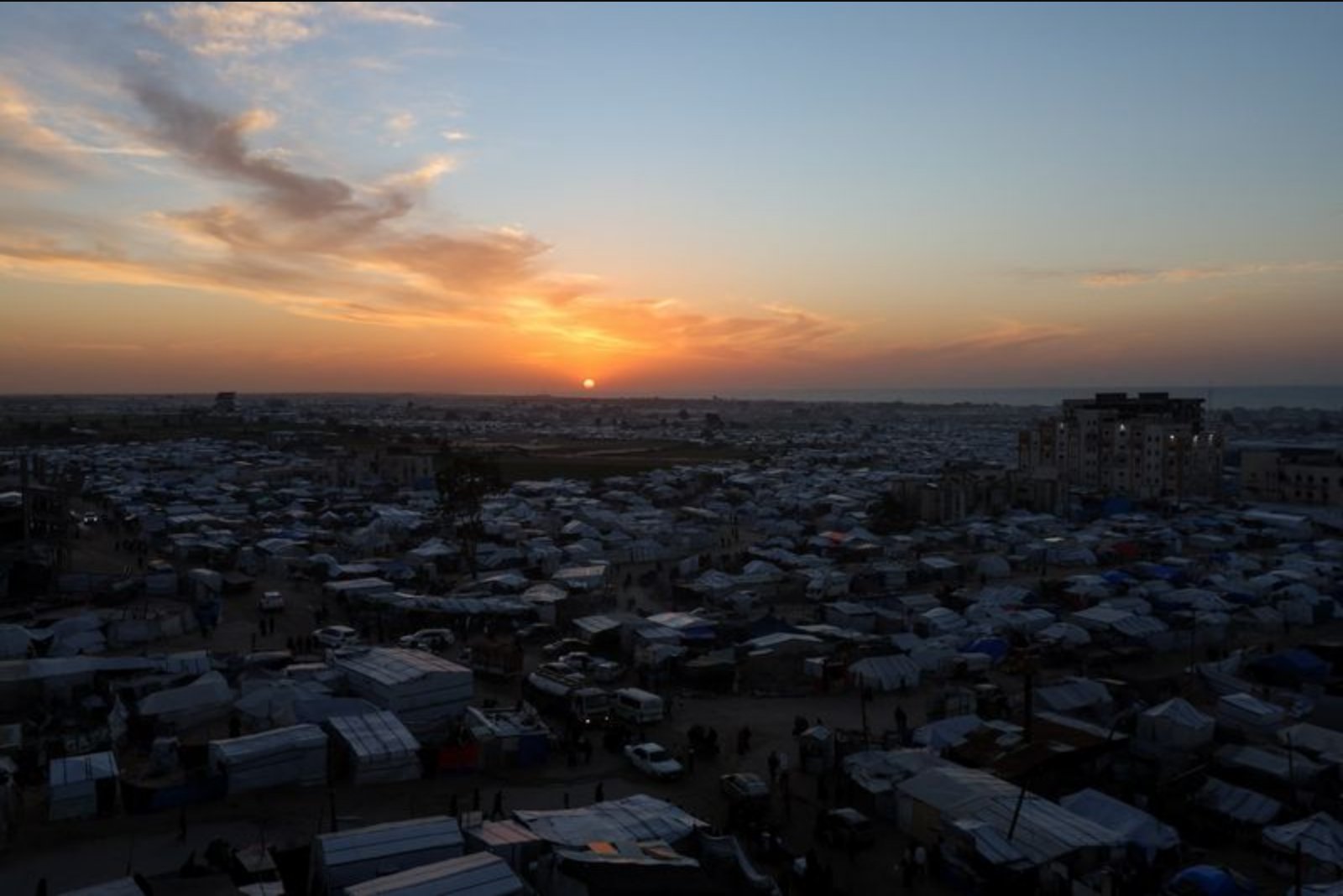
Casualty figures cited by diplomats indicate more than 400 Palestinians and three Israeli soldiers have been killed since the conflict intensified. The vast majority of Gaza's more than 2 million residents now live in a restricted area outside an Israeli-occupied zone, mainly in makeshift tents or damaged structures.
The U.S. has announced a second phase of its plan this month, which outlines a further Israeli withdrawal and a transition in day-to-day governance in Gaza to an internationally backed administration, with Hamas relinquishing routine control. The roles and composition of bodies that will oversee that next phase - including a proposed "Board of Peace" of foreign dignitaries - remain a focal point of discussion among international partners and Washington.
As the CMCC undergoes this leadership overhaul, diplomats and officials are weighing how the centre should adapt or whether it will retain a central coordinating role amid shifting policy instruments and international involvement.