
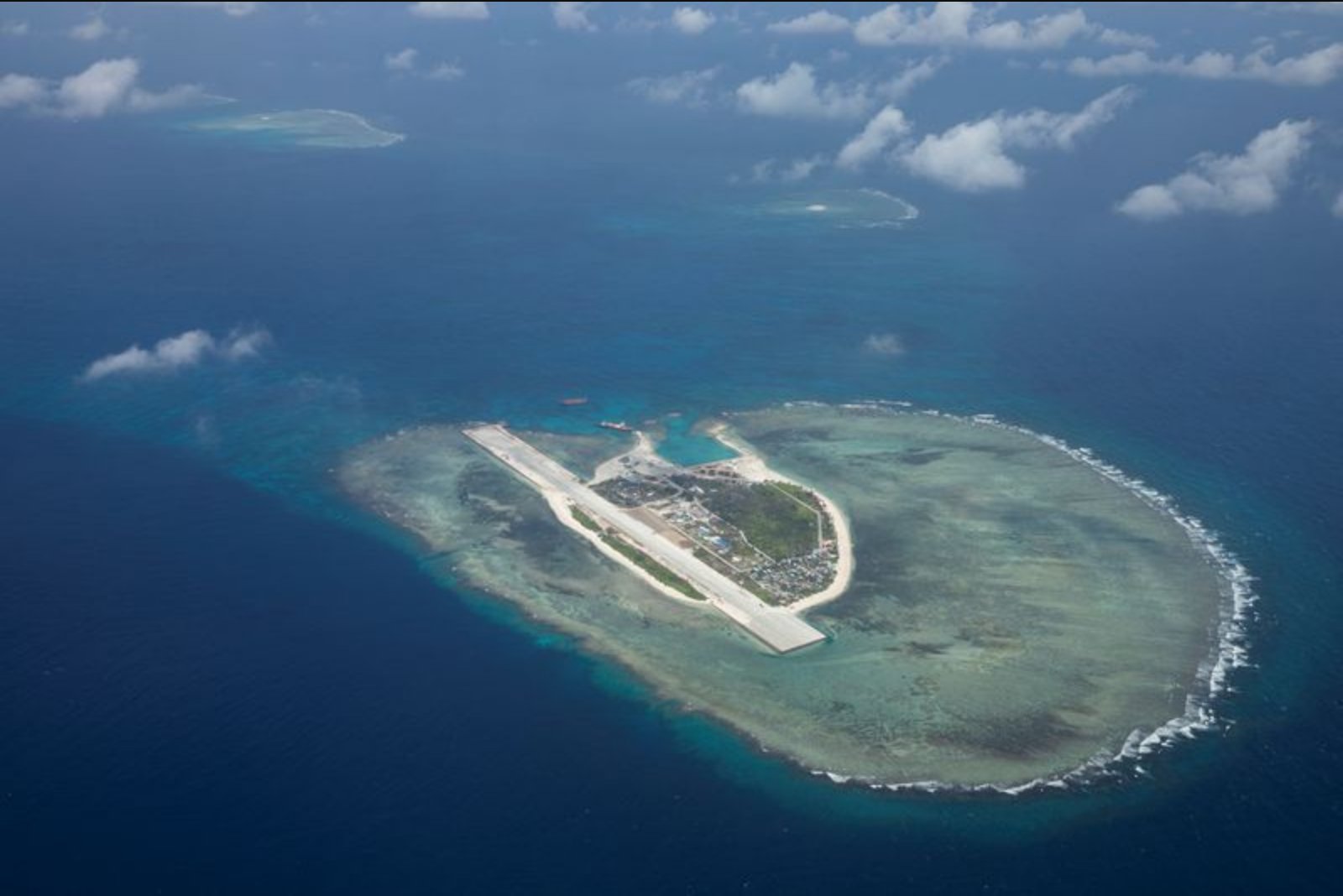
The Philippines hosted the United States and Australia for a four-day maritime exercise in the South China Sea from April 9 to 12, bringing together naval vessels, fighter aircraft and maritime surveillance platforms in coordinated operations designed to bolster maritime defence readiness.
Manila said the drills demonstrated "deepening defence cooperation among the three nations and their shared commitment to regional security." Philippine forces deployed FA-50 fighter jets to the exercises. Australia contributed P-8A Poseidon maritime patrol aircraft, and the United States provided the USS Ashland, a dock landing ship, to participate in the operations.
Organisers described the activities as a series of coordinated operations intended to strengthen maritime defence capabilities through joint manoeuvres and shared practices between the participating militaries. The timing of the exercises places them just days before the larger annual Balikatan war games, scheduled to open on April 20. Balikatan - which translates as "shoulder-to-shoulder" - is a major bilateral exercise between Manila and Washington that this year will include Japan as a full participant rather than an observer, alongside Australia.
The drills occurred amid ongoing tensions between the Philippines and China in the disputed waterway. Manila and Beijing have exchanged accusations over several incidents in the South China Sea; one recent encounter cited by Philippine authorities involved Beijing firing flares at a Philippine Coast Guard aircraft.
Chinese officials have repeatedly objected to Philippine joint military activities with allied countries in the South China Sea, arguing that such drills increase tensions in the region. The Philippine statement framing the April exercises emphasised closer defence ties with the United States and Australia and presented the operations as a practical measure to enhance preparedness and interoperability among participating forces.
With Balikatan approaching, the multinational activity in the South China Sea highlights continuing focus by Manila and its partners on combined maritime and air capabilities, while also underscoring diplomatic friction surrounding joint military engagements in the disputed waters.