
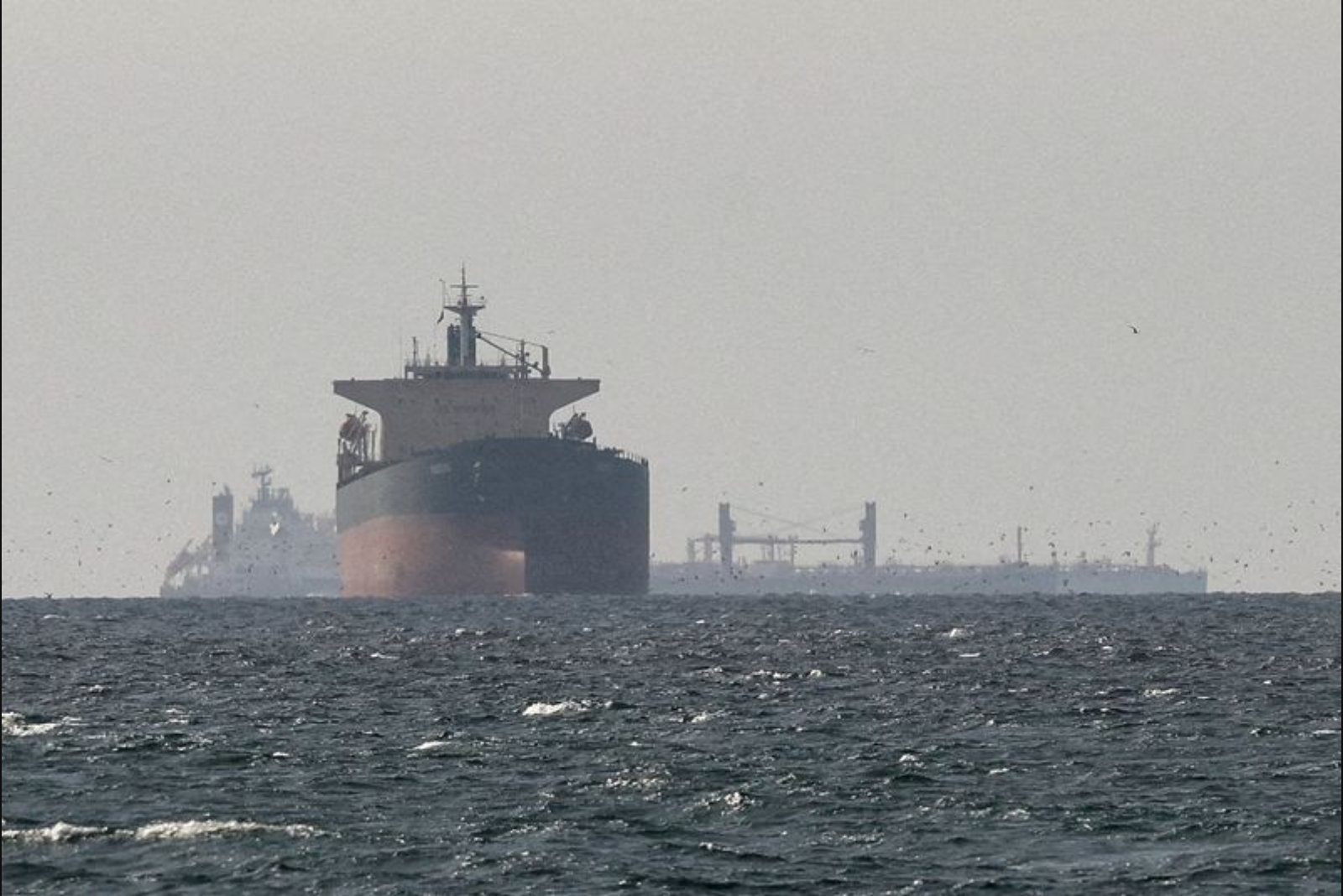
The United Nations said on Friday it is establishing a task force charged with developing a mechanism to keep trade routes open through the Strait of Hormuz, citing concerns that disruptions tied to the Iran war could aggravate global food shortages and humanitarian emergencies.
U.N. spokesperson Stephane Dujarric stressed the urgency of the effort, saying, "Immediate action is essential to mitigate these consequences." The project will be led by U.N. Under-Secretary-General Jorge Moreira da Silva, who serves as executive director of the United Nations Office for Project Services, Dujarric said.
In outlining the initiative, U.N. officials indicated the new task force would look to existing U.N. efforts for guidance. Specifically, the group will draw inspiration from the Black Sea Grain Initiative established for Ukraine and the UN2720 Mechanism created for Gaza. Dujarric said the task force will reach out to relevant member states to discuss how the mechanism could be made operational.
"The task force will now be in touch with all the relevant member states to see how this can be operationalized," Dujarric said. "We hope that all member states involved will support this, especially for the sake of people ... who are already being impacted."
U.N. officials and other experts have warned that interrupted fertilizer shipments and rising energy costs are contributing to fresh upward pressure on food prices in vulnerable countries. They cautioned that such dynamics could set back recovery by years for populations that were beginning to emerge from a series of global shocks.
An analysis released last week by the U.N. World Food Programme warned that tens of millions more people would face acute hunger if the Iran war continues through to June. That finding was cited by U.N. spokespeople as part of the rationale for establishing the new task force.
The U.N. did not provide a detailed timetable for the task force's work in its initial announcement. Officials said the group would engage with member states to explore options and consider how a practical mechanism to safeguard shipping and trade through the Strait of Hormuz might be implemented.
Context and next steps
U.N. officials plan to consult with relevant member states and stakeholders as the task force begins its design work. The initiative aims to prevent trade interruptions from translating into deeper humanitarian distress by keeping key shipping lanes operational.