
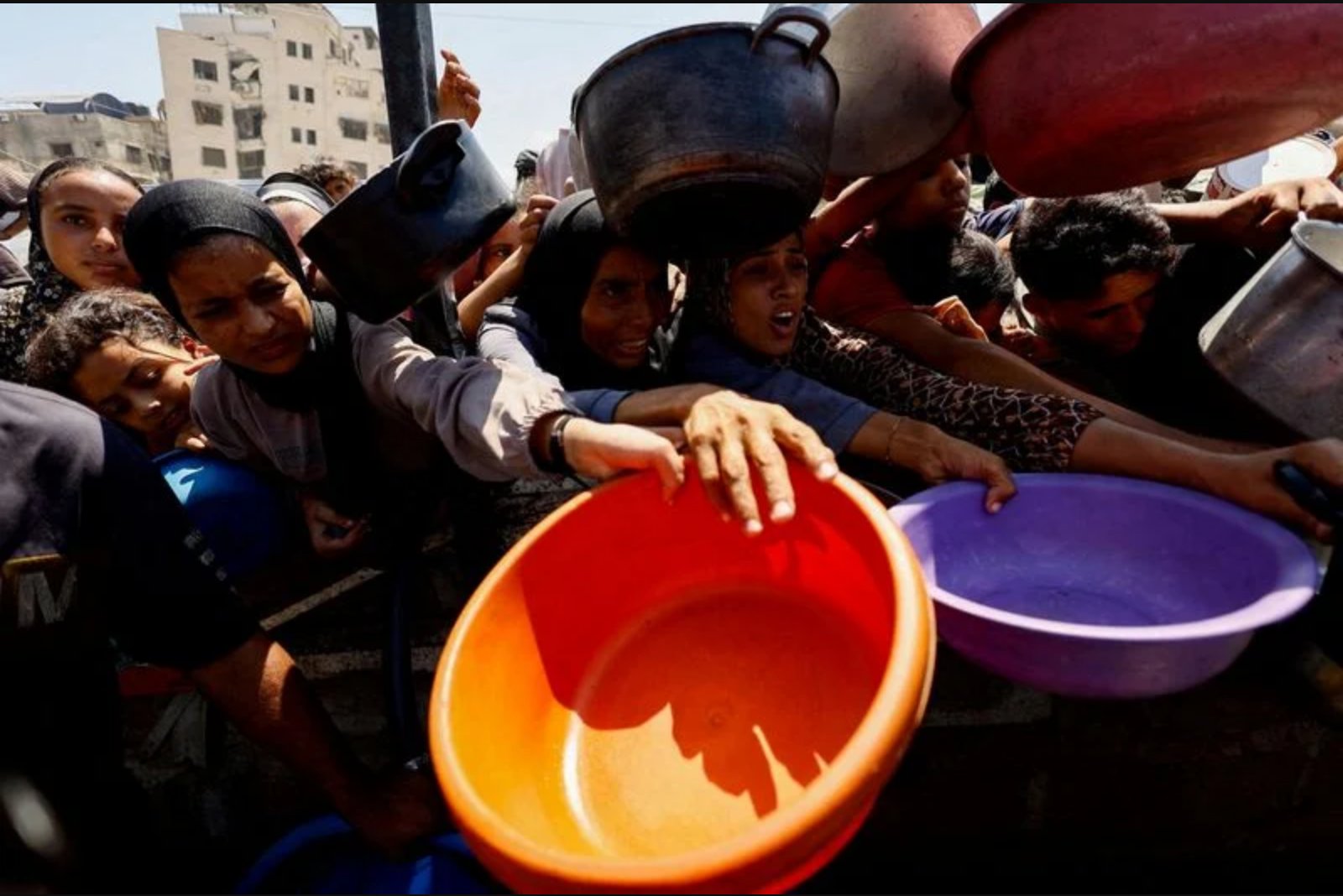
A new joint assessment from the Food and Agriculture Organization (FAO) and the World Food Programme (WFP) finds that extreme hunger has deepened in 13 named "hunger hotspots," and that six of those - Sudan, South Sudan, Yemen, Somalia, Northeast Nigeria and Gaza - are at immediate risk of famine without urgent humanitarian intervention.
The UN agencies warn that acute food insecurity could deteriorate further in the hotspots of greatest concern between June and November 2026, and that conflict is the main driver of worsening conditions in almost all of the identified locations.
Funding shortfalls have intensified the crisis, the report states. Support for food and agricultural assistance dropped by about 59% between 2022 and 2025, and roughly 266 million people now face acute food insecurity across the areas covered.
Commenting on the findings, WFP Acting Executive Director Carl Skau said: "The warnings in this report cannot be ignored." The assessment also notes that recent shocks have compounded pressures on vulnerable populations - citing the Middle East conflict and an Ebola outbreak in eastern Democratic Republic of the Congo - both of which have further disrupted livelihoods, markets and access for aid delivery.
FAO Deputy Director-General Beth Bechdol called for early and scaled-up action to prevent further deterioration and to limit the spread of catastrophic hunger. The agencies stress that without such action, conditions in the most severe hotspots could worsen in the coming months.
The report provides country-level detail: Gaza has seen some improvement following the October 2025 ceasefire, but conditions remain fragile and 1.6 million people are still classified as acutely food insecure. In Sudan, famine risks persist across multiple regions, and the number of people facing catastrophic hunger is projected to rise in 2026. Somalia and northeast Nigeria are singled out as rapidly deteriorating: years of drought combined with conflict and displacement have increased the likelihood of famine in specific areas.
The assessment by FAO and WFP frames the crisis as multidimensional - driven by conflict, compounded by disease outbreaks and reduced funding - and stresses the need for immediate humanitarian support to avoid famine in the worst-affected zones.
Summary of findings
- 13 "hunger hotspots" of extreme concern identified by FAO and WFP.
- Sudan, South Sudan, Yemen, Somalia, Northeast Nigeria and Gaza are at immediate risk of famine without urgent intervention.
- Funding for food and agricultural assistance fell by about 59% from 2022 to 2025, and roughly 266 million people face acute food insecurity.