
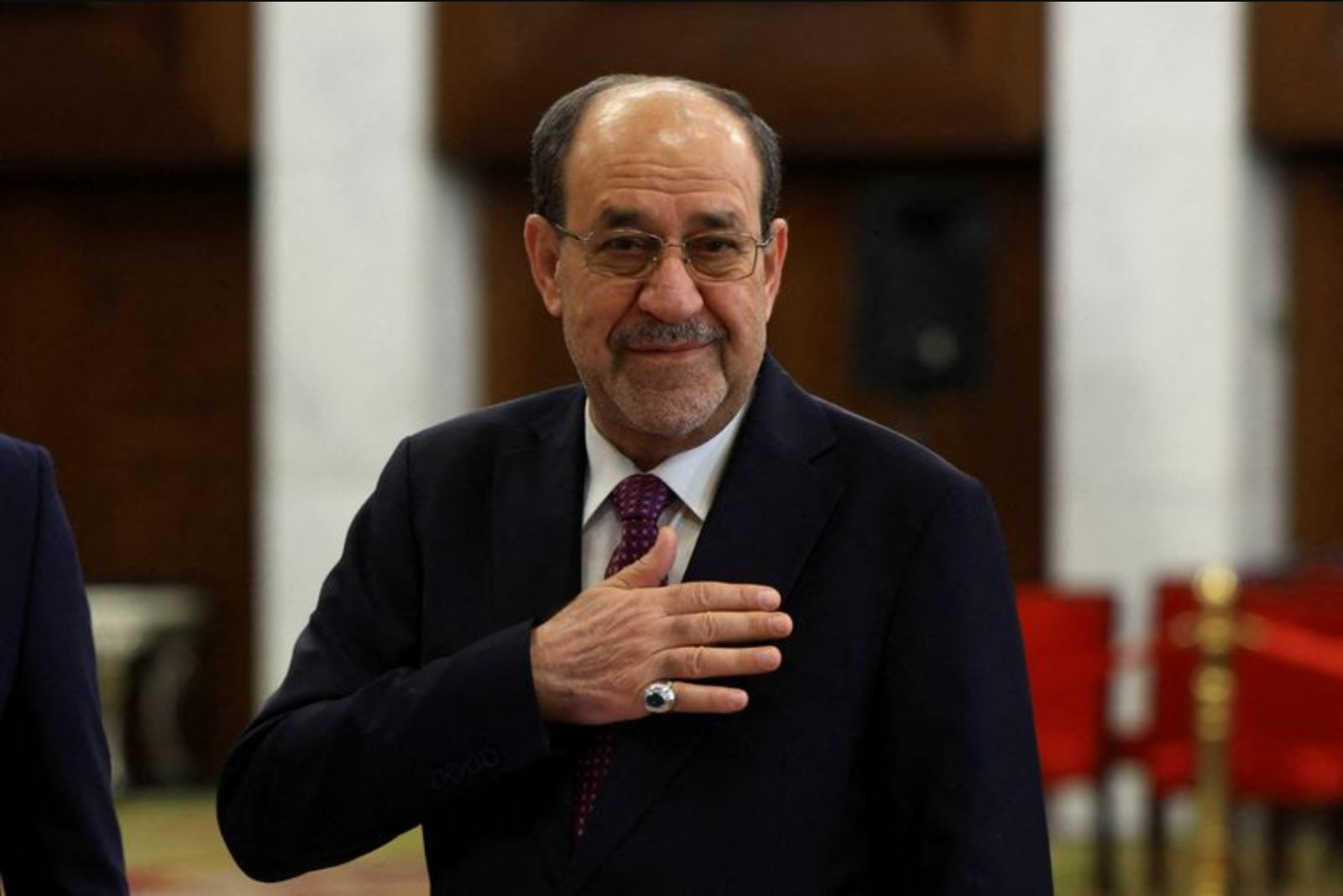
WASHINGTON, Jan 27 - President Donald Trump on Tuesday issued a public warning to Iraqi political leaders, saying the United States would cease assistance if Iraq names Nouri al-Maliki as its next prime minister.
In a post on Truth Social, the president said he had heard that "the Great Country of Iraq might make a very bad choice by reinstalling Nouri al-Maliki as Prime Minister." He added that "Last time Maliki was in power, the Country descended into poverty and total chaos. That should not be allowed to happen again."
Trump continued: "Because of his insane policies and ideologies, if elected, the United States of America will no longer help Iraq," and said that without U.S. assistance the country would have "zero" chance of success.
The statement represents one of the clearest public indications to date of the president's campaign to limit the influence of Iran-linked groups inside Iraq. Iraq has long tried to balance relations between Washington and Tehran, and the president framed his message as a direct rebuke of a potential leadership choice he described as harmful to Iraq's future.
Maliki, a senior figure in the Shi'ite Islamist Dawa Party, was selected recently by an alliance of Shi'ite political blocs that hold a majority in Iraq's parliament. He previously served two terms as prime minister from 2006 to 2014.
His earlier tenure was marked, according to accounts at the time, by sectarian violence, an extended power struggle with Sunni and Kurdish rivals, and rising tensions with the United States. He stepped down in 2014 after Islamic State seized large parts of the country, but he has remained an influential political figure, leading the State of Law coalition and maintaining close ties with Iran-backed factions.
Maliki was not immediately available for comment.
As part of broader pressure on Baghdad, Washington has also warned senior Iraqi politicians that the U.S. could impose sanctions on the Iraqi state if armed groups backed by Iran are included in the next government, a move intended to deter Tehran-aligned factions from gaining official power.
Trump's blunt public warning and the parallel threat of sanctions underline the high stakes facing Iraq as its political blocs move to form a new government. The situation highlights enduring tensions over which external partner - Washington or Tehran - will exert greater influence over Iraq's future political course.
Summary
President Trump warned Iraq that the United States would stop helping if Nouri al-Maliki is reinstated as prime minister, citing Maliki's prior term as a period of chaos. The comments follow Maliki's selection by Shi'ite parliamentary blocs and come amid U.S. threats of sanctions should Iran-backed armed groups be included in the next government.