
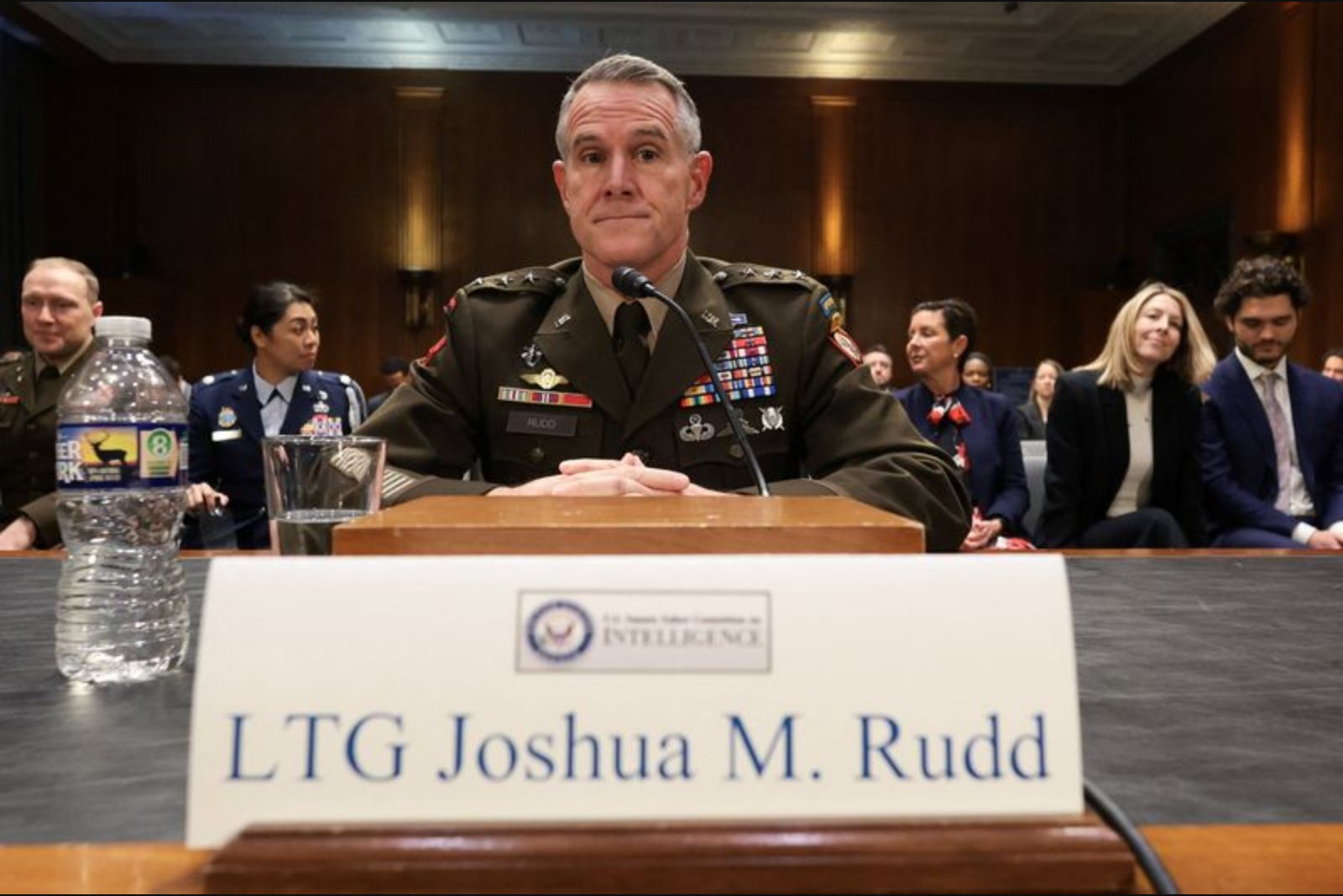
On Jan. 29, U.S. Army Lieutenant General Joshua Rudd, President Donald Trump’s nominee to lead the National Security Agency, told the Senate Intelligence Committee he supports keeping the broad foreign surveillance powers that were adopted after the September 11, 2001 attacks.
Rudd spoke in favor of Section 702 of the Foreign Intelligence Surveillance Act, the provision that allows the NSA to collect information on foreigners abroad using data that transits U.S. digital infrastructure. He described the authority as central to the agency’s work, saying: "It’s indispensable," and that "It’s critical to mission outcomes."
Section 702 has long been contentious because, while it is aimed at foreign targets, it draws on communications routed through American servers and networks. That has raised concerns about domestic surveillance as law enforcement agencies can search the data set without the type of judicial warrant typically required for targeting Americans. A 2024 proposal to require judicial sign-off before such searches in the trove was narrowly defeated in the House of Representatives by a single vote.
With Section 702 scheduled for congressional renewal in April, lawmakers are once again debating the scope and limits of the authority. In his testimony, Rudd emphasized adherence to existing authorities and laws but stopped short of committing to a change in how the collection is used against people inside the United States.
Asked by Senator Ron Wyden whether he would insist on a judicial warrant before targeting people in the United States for surveillance, Rudd said: "if confirmed, I will absolutely commit to executing the foreign intelligence mission of the NSA in accordance with the authorities that it has been given and in accordance with all applicable laws."
Senator Wyden responded that the answer was insufficiently specific, saying: "That is about as vague as anything I’ve heard on the subject." Later in the hearing, when Republican Senator John Cornyn returned to the topic of warrants, Rudd again declined to offer a definitive position. "That’s certainly something I’d like to take a deeper look at," he said.
Rudd, who was nominated by President Trump last month, currently serves as the deputy commander at the U.S. military’s Indo-Pacific Command, which oversees American forces in the broader Pacific region. The National Security Agency is an agency within the Department of Defense responsible for monitoring, collecting and processing information and data for global intelligence and counterintelligence purposes.
This hearing comes as Congress weighs how to shape surveillance authorities tied to international intelligence collection and the procedures for how law enforcement and intelligence agencies may access those collections within the United States. Rudd’s endorsement of Section 702, coupled with his equivocal answers on warrants for domestic targeting, underscores unresolved questions that lawmakers must address ahead of the April reauthorization deadline.