
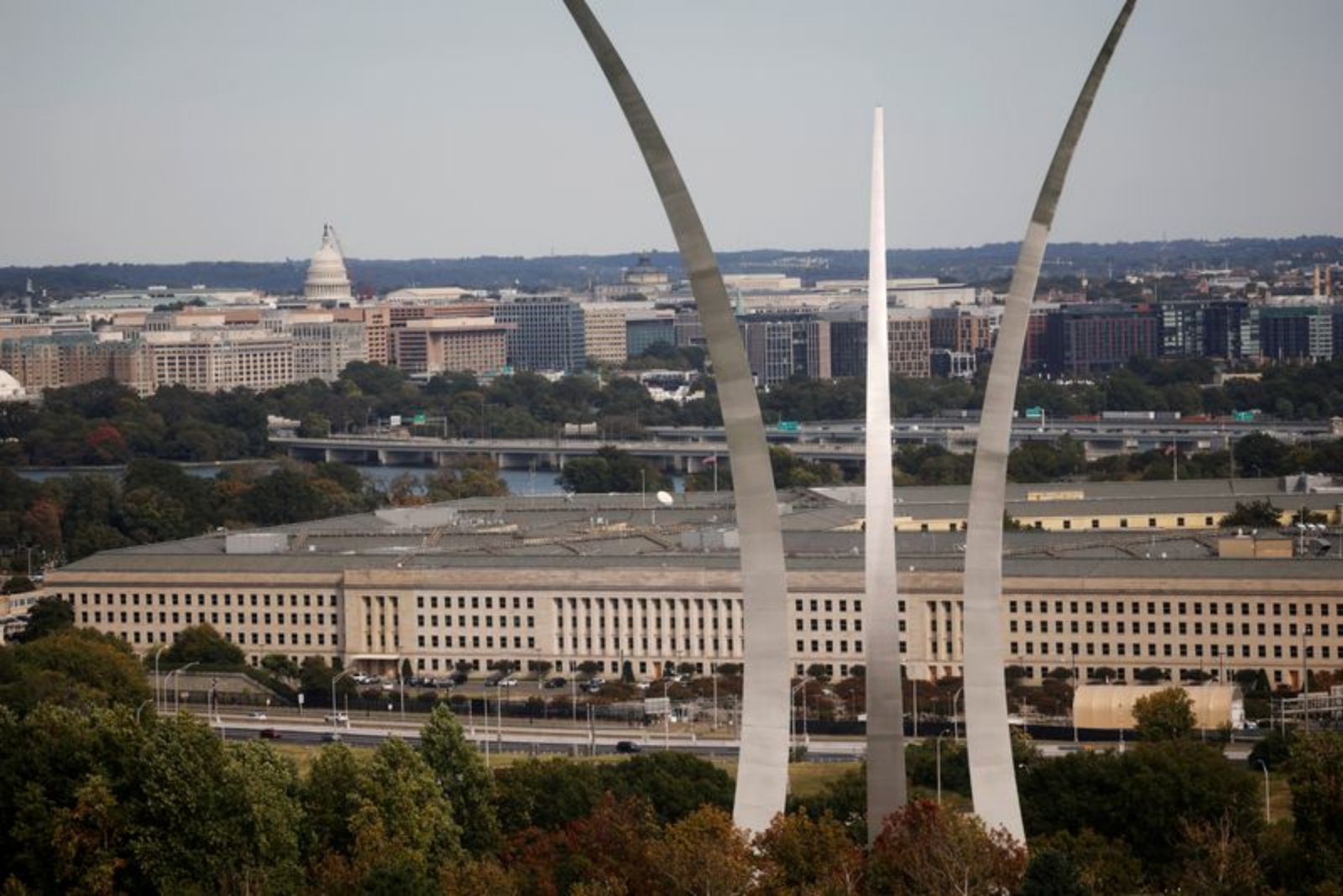
Senior military leadership from the United States and Israel met at the Pentagon on Friday, holding closed-door discussions against a backdrop of escalating tensions with Iran.
Two U.S. officials, speaking on condition of anonymity, confirmed the session to Reuters on Sunday but declined to provide specifics about the content of the talks. The meeting brought together U.S. General Dan Caine, the chairman of the Joint Chiefs of Staff, and Eyal Zamir, the chief of staff of the Israeli armed forces. The officials said the discussion was held privately and did not release further detail; this gathering has not been reported previously.
Publicly available actions by the United States in the region provide the immediate context for the meeting. The U.S. has stepped up its naval presence and strengthened air defenses across the Middle East. According to the account provided by the officials, these deployments followed repeated public threats by President Donald Trump directed at Iran, described as attempts to pressure Tehran into returning to the negotiating table.
In response to heightened U.S. activity and rhetoric, Iranian leadership issued a warning on Sunday that a regional conflict could result if the United States were to attack. That pronouncement was cited by the U.S. officials as part of the current environment in which the Pentagon-level discussions took place.
The closed-door nature of the encounter, and the officials' refusal to disclose details, leave public observers with limited information about the objectives, duration, or agreed outcomes of the talks. The meeting's occurrence itself, combined with the parallel increase in U.S. military deployments and Iran's explicit warning, underscores the degree of caution and sensitivity surrounding military and diplomatic interactions in the region at this time.
Without additional official commentary, the record is limited to the confirmed participants, the location and timing of the meeting, and the surrounding public statements and deployments described above. Those are the facts that have been provided by the U.S. officials who spoke on condition of anonymity.
- Confirmed facts: A private meeting at the Pentagon on Friday between U.S. General Dan Caine and Israeli Chief of Staff Eyal Zamir was confirmed by two U.S. officials on Sunday.
- Military posture: The United States has increased naval presence and air defenses in the Middle East following repeated threats from President Donald Trump aimed at Iran.
- Iranian warning: Iran's leadership warned on Sunday of a potential regional conflict if the United States were to attack.