
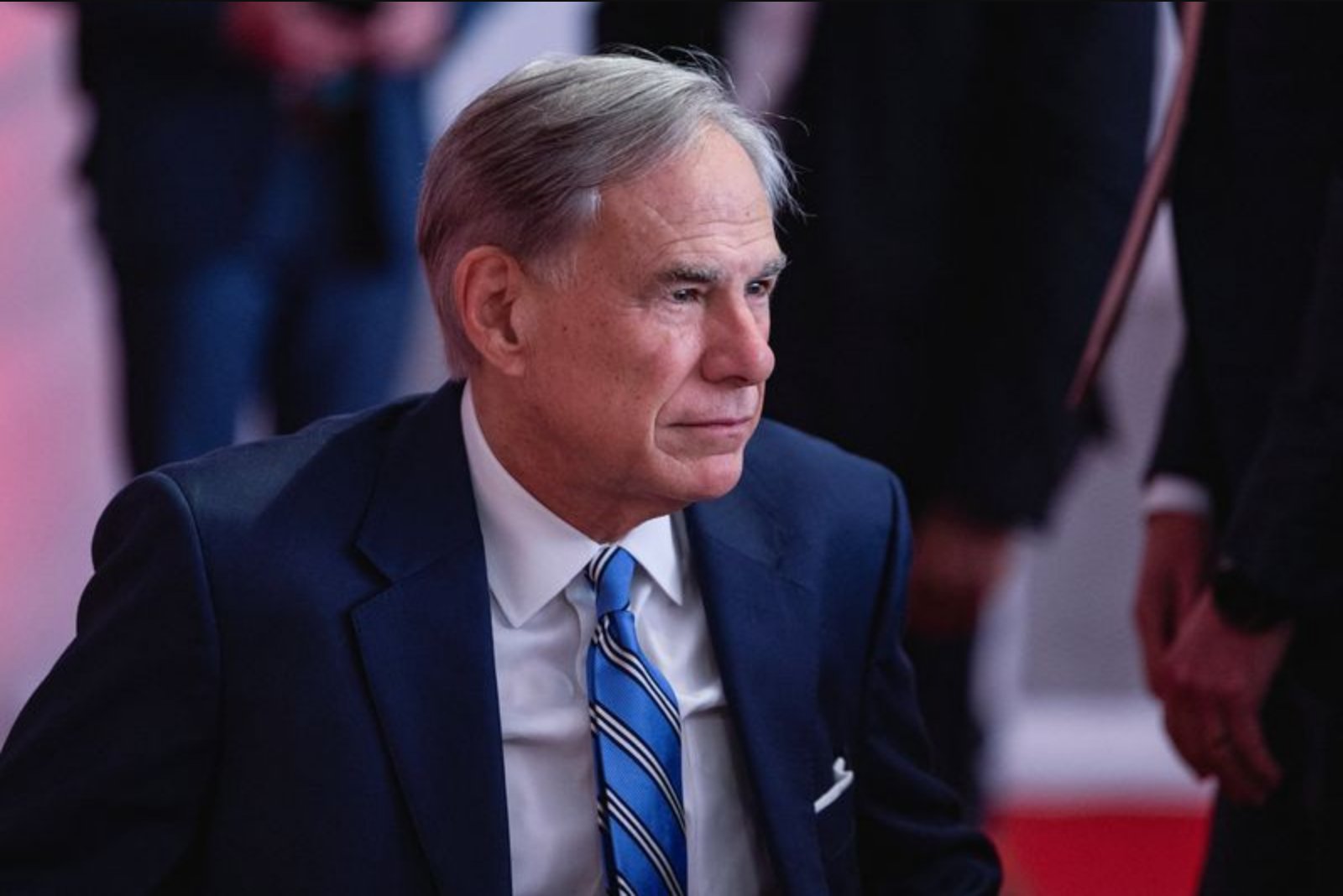
TEXAS - Governor Greg Abbott has ordered a formal examination of the H-1B visa program as used within Texas and has commanded state agencies and public universities to halt new H-1B visa petitions.
In a written directive circulated to state agencies, the governor cited recent reports alleging abuses in the federal H-1B program and pointed to the federal government's own review of the program intended to ensure American jobs are awarded to American workers. The directive instructs state entities to immediately suspend submitting new H-1B petitions.
The suspension is scheduled to remain in place through May 31, 2027. The governor's order permits limited exceptions: state agencies may proceed with new petitions only when they have obtained written authorization from the Texas Workforce Commission.
To provide a baseline for the state investigation, agencies have been given a deadline of March 27, 2026, to deliver a report. That report must enumerate how many new and renewal H-1B petitions each agency filed in the prior year, specify the number of visa holders sponsored by the agency, and list the countries of origin and job classifications of those sponsored visa holders.
Other states are taking similar actions. Florida's Board of Governors, which oversees that state's public university system, is seeking to pause H-1B petitions for public universities until January 5, 2027.
Under federal law, H-1B visas enable highly skilled foreign professionals in specialized occupations - predominantly in science, technology, engineering and mathematics - to work in the United States. The program allocates 65,000 visas annually, with an additional 20,000 visas reserved for workers who hold advanced degrees. Typical approvals under the program range from three to six years.
Last year, President Donald Trump introduced a new one-time fee of $100,000 for new H-1B applicants. That policy was challenged in court by more than 20 states, with Texas not among the challengers. The Trump administration has asserted that the H-1B program has been subject to misuse by some U.S. employers seeking to replace American workers with lower-paid foreign workers.
The governor's directive creates an immediate administrative pause affecting state agencies and public universities in Texas, while the required reporting is intended to give state officials a clearer picture of H-1B usage inside state institutions. The order also establishes a firm end date for the freeze and a specific mechanism for limited exceptions through the Texas Workforce Commission.
At present, the directive confines its scope to new H-1B petitions by state agencies and public universities in Texas and does not provide additional details beyond the reporting requirements and the exception process described above.