
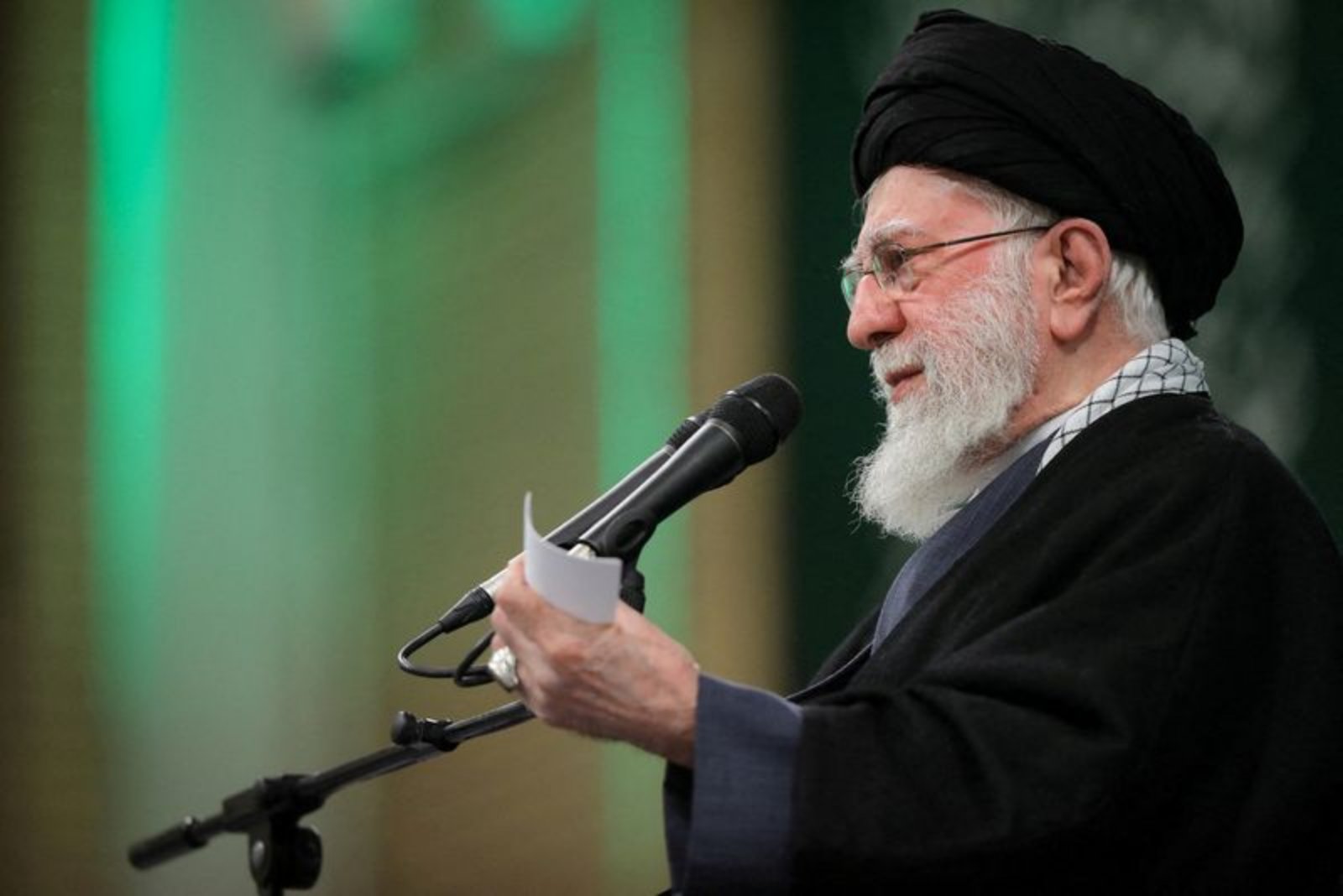
Iran’s Supreme Leader issued a stark warning that any U.S. attack on Iran would escalate into a regional conflict, state media reported. The comments arrive amid heightened tensions between Washington and Tehran, as the United States has increased its naval presence in the Middle East.
In his remarks, the Supreme Leader sought to project calm over the U.S. deployment of forces while making clear Tehran’s intention to respond if attacked. He said the Iranian nation would not be intimidated by the presence of American ships and stressed that Iran was not the aggressor - but would hit back against anyone who launched attacks or harassment.
Those comments came against a backdrop of repeated threats from the U.S. President that Washington could intervene if Iran did not reach a nuclear agreement or failed to stop what the president described as killings of protesters. At the same time, officials in Tehran have said they remain open to a diplomatic path, describing readiness for "fair" negotiations that would not aim to blunt Iran’s defensive capabilities.
The current U.S. naval deployment in the region was described as including six destroyers, one aircraft carrier, and three littoral combat ships. That buildup has been highlighted in public statements by U.S. officials and cited in regional analyses of potential military pressure on Tehran.
Domestically, Iran has been grappling with protests that began in late December over economic hardship and evolved into what state authorities called the most serious political challenge since the establishment of the Islamic Republic in 1979. According to official figures cited by Tehran, the unrest resulted in 3,117 deaths. A U.S.-based rights group, HRANA, said it had verified a higher figure of 6,713 deaths. Independent verification of those tallies was not possible.
The Supreme Leader characterized the unrest as a form of "sedition" akin to a coup, saying its objective was to strike at the institutions that govern the country. He reiterated that Iran was not seeking to initiate military action against other nations but insisted that any aggression against Iran would be met with a powerful response.
The combination of a visible U.S. naval presence, public threats of intervention, and Tehran’s firm response underscores a volatile mix of military and political pressures in the region. While Iranian officials have indicated a willingness to negotiate under terms they consider equitable, the public rhetoric and deployments underline how quickly tensions could widen.