
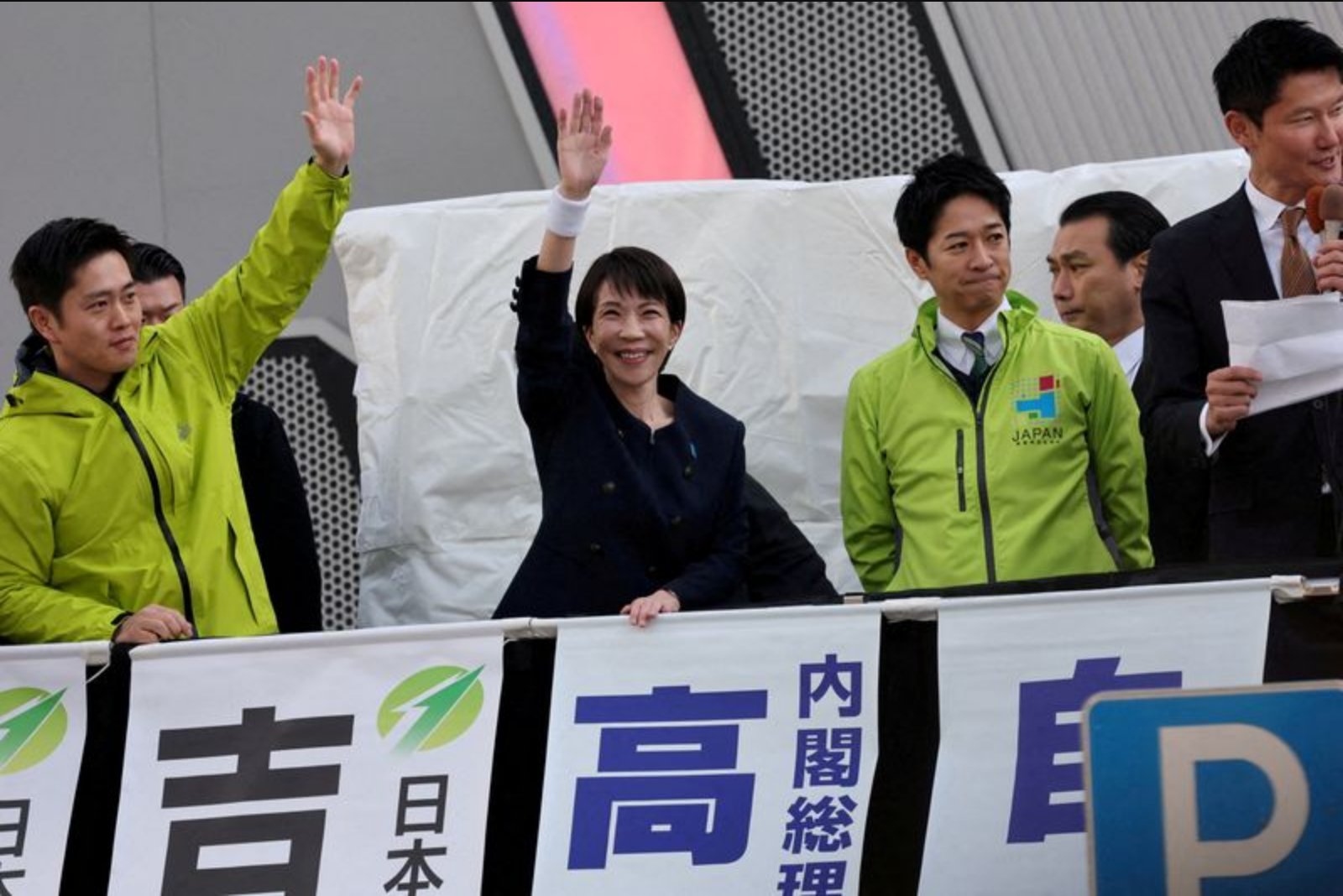
TOKYO/BEIJING, Jan 30 - Japan’s snap election on February 8 has become a potential inflection point in Tokyo-Beijing relations, with current and former Japanese officials and political analysts saying a decisive win for Prime Minister Sanae Takaichi might prompt China to pause or recalibrate its campaign of pressure.
Weeks after assuming office last year, Takaichi ignited the most serious diplomatic rift with Beijing in more than a decade by publicly detailing how Tokyo might respond to a Chinese attack on Taiwan, the self-ruled island claimed by China. Beijing demanded she withdraw those remarks - a retraction she has not made - and then introduced a string of retaliatory measures now starting to weigh on Japan’s economy.
Domestic stakes and the strategic calculation
Takaichi is wagering that strong personal approval ratings, which have been little affected by the dispute with China, can be converted into a broader parliamentary mandate for her coalition, which currently holds a slim majority. A senior Japanese government official, speaking on condition of anonymity because the topic is politically sensitive, said a substantial victory would demonstrate to Beijing that its actions have not harmed her domestic standing and could ultimately force China back to the negotiating table.
The official also argued that Beijing’s economic coercion risks backfiring and that efforts to portray Takaichi as a dangerous ideologue intent on reviving Japan’s militaristic past have failed to gain sufficient traction internationally.
How Beijing has responded so far
Beijing has shown no sign of softening its stance. China’s foreign ministry referred to comments by spokesman Guo Jiakun on January 27 that Takaichi had "severely threatened" the "political foundation of China-Japan relations". A Chinese official, speaking on condition of anonymity, acknowledged the election might give Takaichi short-term political benefits but warned the Japanese public would eventually understand the diplomatic and economic costs of crossing China.
Measures attributed to Beijing’s retaliation include a state-directed boycott that almost halved the number of Chinese visitors to Japan in December. Chinese state media also reported that authorities are considering curbs on exports of rare earths and critical minerals - key inputs for many industries.
Economic exposure and warnings
Analysts at Daiwa Institute of Research have estimated that a ban on critical minerals could cut up to 3% from Japan’s gross domestic product - a figure put at about $117 billion in the analysis - and could affect employment to the tune of 2 million jobs. Meanwhile, business and public sentiment shows growing concern: a Reuters survey indicated more than two-thirds of Japanese firms expect frayed ties with China to have an economic impact, and an Asahi newspaper poll found 60% of voters worried about the economic consequences, up from 53% in December.
Those economic anxieties have placed domestic cost-of-living issues at the center of the campaign, even as the government increases its focus on national security in response to rising regional tensions.
Why Takaichi called the election
Announcing the snap election decision on January 19, Takaichi explicitly cited concerns including Chinese military exercises around Taiwan and what she called "economic coercion". Political analysts suggest that economic worries may have contributed to her decision to seek a new mandate now rather than waiting until late 2028, when the next lower house vote would otherwise have been required to take place.
Paul Midford, professor of international studies at Meiji Gakuin University, said economic pressure on voters may have been a factor in Takaichi’s timing. The prime minister has also staked her political future on the result, saying she will resign if her coalition loses its majority.
Historical reference and strategic parallels
Observers note Takaichi’s political approach appears influenced by her mentor, former premier Shinzo Abe, who consolidated power through repeated electoral success during a prior period of heightened tension with China. Kazuhisa Shimada, a former vice minister of defence, said Abe "kept winning elections and built an extremely solid political base" and that once that base was established, "China had no choice but to deal with the Abe government." Shimada argued the upcoming vote is therefore "extremely important... a weak government simply won’t be taken seriously."
What would signal success to Beijing?
Analysts say a critical measure of Takaichi’s success will be whether her party can secure an outright majority without coalition partners. Jeremy Chan, a senior analyst for Northeast Asia at Eurasia Group and a former U.S. diplomat in both China and Japan, noted that Takaichi’s party currently holds 198 seats in the 465-seat lower house and would need an additional 35 seats to form a majority on its own.
"If she is able to do this, it would signal to Beijing that she will likely remain as prime minister for a few years and China’s pressure campaign against her has backfired," Chan said. "Conversely, Beijing would likely increase its coercion against Japan if Takaichi wins only a small victory."
Outlook ahead of the vote
Polls released in the run-up to the vote suggest Takaichi may be on track to strengthen her coalition’s hold on parliament, though analysts have described the contest as among Japan’s most unpredictable in years. For now, Beijing’s measures remain in place and the two governments show little sign of immediate reconciliation.
As the campaign proceeds, markets and policymakers will be watching both the electoral outcome and any further steps Beijing may take in response. The coming weeks will determine whether Tokyo secures a more stable governing majority capable of withstanding external pressure or whether fractious politics at home will leave the government more vulnerable to continued coercion.