
World April 12, 2026 10:36 PM

Taiwan President to Attend King Mswati III Celebrations in Eswatini

Lai Ching-te will travel directly to the island nation’s last African diplomatic partner for anniversary and birthday events

By Marcus Reed
Taiwan President to Attend King Mswati III Celebrations in Eswatini

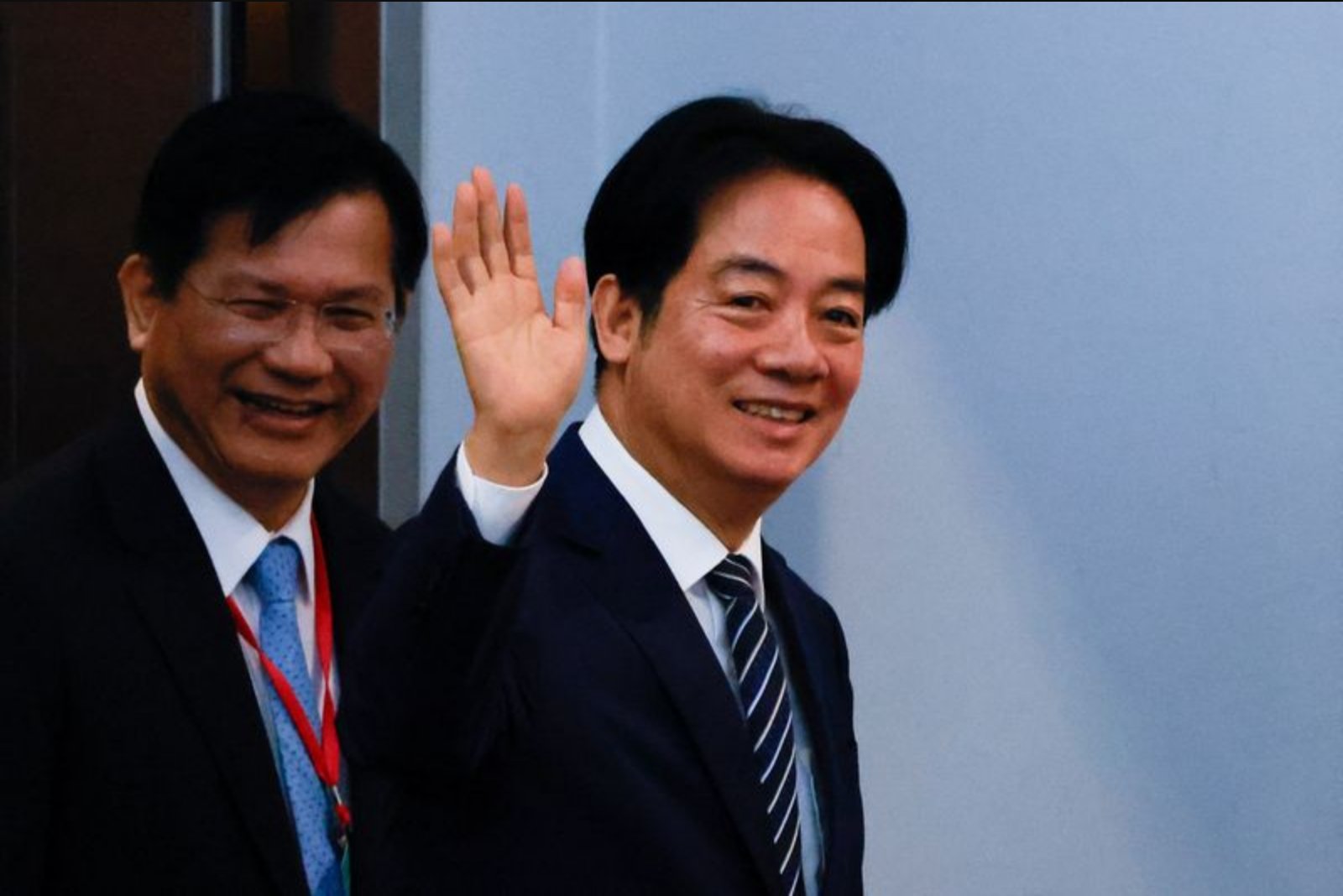
Taiwan President Lai Ching-te is scheduled to visit Eswatini from April 22-26 for the 40th anniversary of King Mswati III’s accession and the king’s 58th birthday. The trip highlights Taiwan’s dwindling list of formal diplomatic partners, and will be conducted via a direct flight that avoids U.S. transit routes that have previously drawn Chinese ire.

Key Points

  • President Lai Ching-te will be in Eswatini from April 22-26 for the 40th anniversary of King Mswati III’s accession and the king’s 58th birthday - relevant to diplomatic and event logistics sectors.
  • Eswatini is Taiwan’s last diplomatic ally in Africa; Taiwan now maintains formal ties with only 12 countries, chiefly small, less-developed states in Latin America, the Caribbean and the Pacific - an issue affecting diplomatic relations and foreign aid planning.
  • Lai will fly directly to Eswatini, avoiding U.S. transits that are commonly required for visits to Latin American partners and that routinely anger China - a point with implications for international travel routing and aviation logistics.

Taipei officials announced on April 13 that President Lai Ching-te will travel to Eswatini next week, marking a visit to Taiwan’s last remaining diplomatic ally on the African continent.

According to Lai’s office, the president will be in Eswatini from April 22-26. Lai’s spokesperson, Karen Kuo, told reporters the visit is timed to coincide with two events: the 40th anniversary of King Mswati III’s accession and the monarch’s 58th birthday.

Eswatini, an absolute monarchy formerly known as Swaziland and home to roughly 1.3 million people, is almost entirely surrounded by South Africa. The island’s president will fly directly to Eswatini, a routing that does not require the layovers common on journeys to Taiwan’s partners in Latin America. The government noted the contrast with visits to Latin American allies, which typically involve transits via the United States - transits that the announcement said routinely anger China.

This trip will be Lai’s first travel outside Taiwan since November 2024. On that earlier trip he visited the Marshall Islands, Tuvalu and Palau, and his movement on that occasion included transits through Hawaii and the U.S. territory of Guam, the office said.

The last time a Taiwanese president visited Eswatini was in 2023, when then-President Tsai Ing-wen made the journey. Taiwan has maintained formal ties with only 12 countries overall, most of which are small and less-developed nations located in Latin America, the Caribbean and the Pacific, with named examples including Belize and Tuvalu. The Taipei announcement reiterated China’s position that it claims Taiwan as its own territory and asserts that Taiwan has no right to state-to-state relations.

Over the years Taiwan has provided substantial aid to Eswatini. The statement recalled a 2021 shipment of antiviral medication that was sent to assist King Mswati III in his recovery from COVID-19.


The visit is being organized amid the constraints of Taiwan’s narrow diplomatic network and the sensitivities those ties can produce in interactions involving third-party transit points. Officials highlighted the direct routing to Eswatini as a logistical difference from many Latin America trips, which routinely require passage through the United States.

No further details on the president’s itinerary or meetings beyond the anniversary and birthday events were provided in the announcement.

Risks

  • Transits via the United States for visits to Latin American partners have been described as routinely angering China - presenting a diplomatic risk tied to travel routings and bilateral relations.
  • Taiwan’s formal diplomatic network is limited to 12 countries, which reflects a constrained state-to-state footprint and potential vulnerability in maintaining global diplomatic ties.
  • The small scale of Taiwan’s remaining partners - many described as small, less-developed nations - may limit the scope and resilience of bilateral assistance and cooperation, including in sectors like foreign aid and health response.

More from World

U.S. to Enforce Maritime Blockade of Iranian Ports After Islamabad Talks Stall Apr 12, 2026 US, Australia and Philippines Conduct Second Joint South China Sea Drills This Year Apr 12, 2026 Trump Attacks Pope Leo After Pontiff's Criticism of Foreign and Immigration Policies Apr 12, 2026 Sanchez Embarks on Fourth China Visit, Tests Spain's Balance Between Beijing and Washington Apr 12, 2026 Cleanup Begins on New Zealand's North Island as Cyclone Vaianu Moves Offshore Apr 12, 2026