
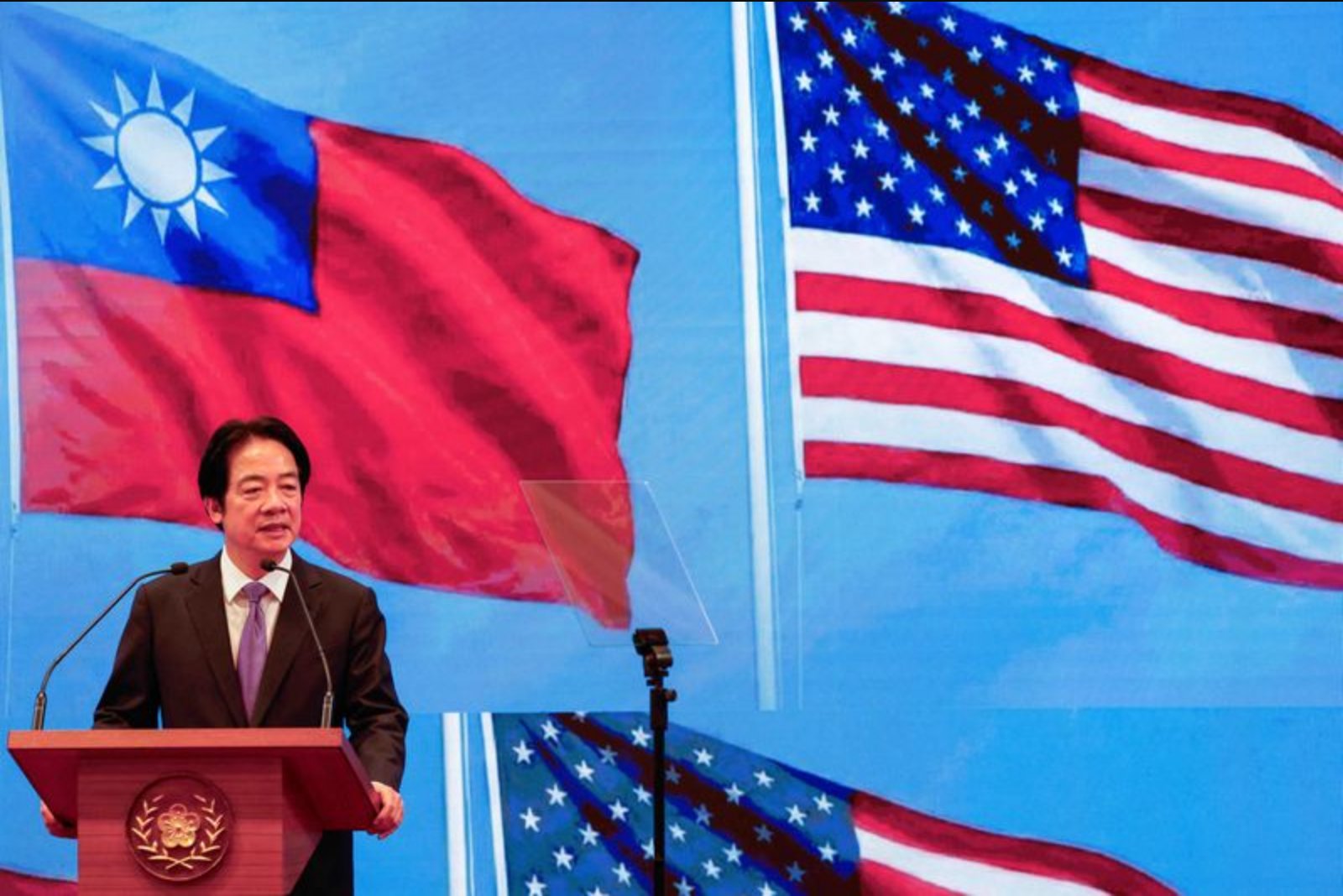
TAIPEI, Feb 5 - Taiwan President Lai Ching-te said on Thursday that ties between the island and the United States remain "rock-solid" and that cooperative programmes will proceed unchanged, after Chinese President Xi Jinping raised Taiwan during a phone call with U.S. President Donald Trump.
According to Lai, channels of communication between Taipei and Washington are robust. Speaking to reporters in central Taiwan, he stressed that the partnership with the United States endures.
"Taiwan–U.S. relations are rock-solid; all cooperation programmes will continue and will not change," Lai said, adding that U.S. commitments to Taiwan remain unchanged. He also said that the fact Taiwan is not part of the People’s Republic of China remains unchanged.
In the Wednesday conversation between Xi and Trump, Xi told Trump that the U.S. should "carefully" manage arms sales to the island, which Beijing views as its own territory.
The United States, like most countries, does not maintain formal diplomatic ties with Taiwan but is regarded as the island’s most important international backer. U.S. law requires it to provide Taiwan with the means to defend itself.
In December, the Trump administration announced $11.1 billion in arms sales to Taiwan, which was the largest U.S. weapons package ever declared for the island.
Separately, China declines to engage directly with Lai and has labelled him a "separatist." Lai has maintained that decisions about Taiwan’s future belong solely to the island’s people.
Context and implications
Lai’s comments reaffirm continuity in Taipei’s approach to its relationship with Washington, underscoring that official cooperation and defense-related assistance are to remain in place despite Beijing’s diplomatic objections. His remarks came after a high-level exchange in which Beijing signalled sensitivity over U.S. arms transfers to Taiwan.
Reporting limitations
The statements reported here reflect public comments made by Taiwan’s president and the summary of a bilateral phone call between the leaders of China and the United States. The article does not include additional details about future policy decisions beyond what was articulated by the individuals quoted.