
World June 18, 2026 12:02 AM

Taiwan calls for prompt approval of U.S. arms package as president reaffirms right to self-defense

Lai says strengthening Taiwan's defenses should not be construed as provocation while seeking parity-based dialogue with China

By Avery Klein
Share
Twitter Reddit Facebook LinkedIn

Taiwan President Lai Ching-te urged swift approval of a new U.S. arms sale package and stressed that bolstering the island's defence and rejecting rule by the Chinese Communist Party are not provocations. Lai affirmed continued communication with the U.S. and reiterated a desire for talks with Beijing based on parity and respect, while noting China has rebuffed his offers of dialogue.

Taiwan calls for prompt approval of U.S. arms package as president reaffirms right to self-defense
Summarize with
ChatGPT Perplexity Claude Grok Gemini

Key Points

  • President Lai urged prompt approval of a new U.S. arms sale package and stressed continued close communication with the U.S. government - impacts defence sector procurement and diplomatic relations.
  • Lai affirmed Taiwan's right to defend its national security and its democratic way of life, saying strengthening defence capabilities must continue - relevant to defence contractors and regional security planning.
  • Despite repeated offers from Lai, China has rebuffed dialogue; Lai said any talks must proceed on a basis of parity and respect - this affects diplomatic channels and regional geopolitical risk assessments.

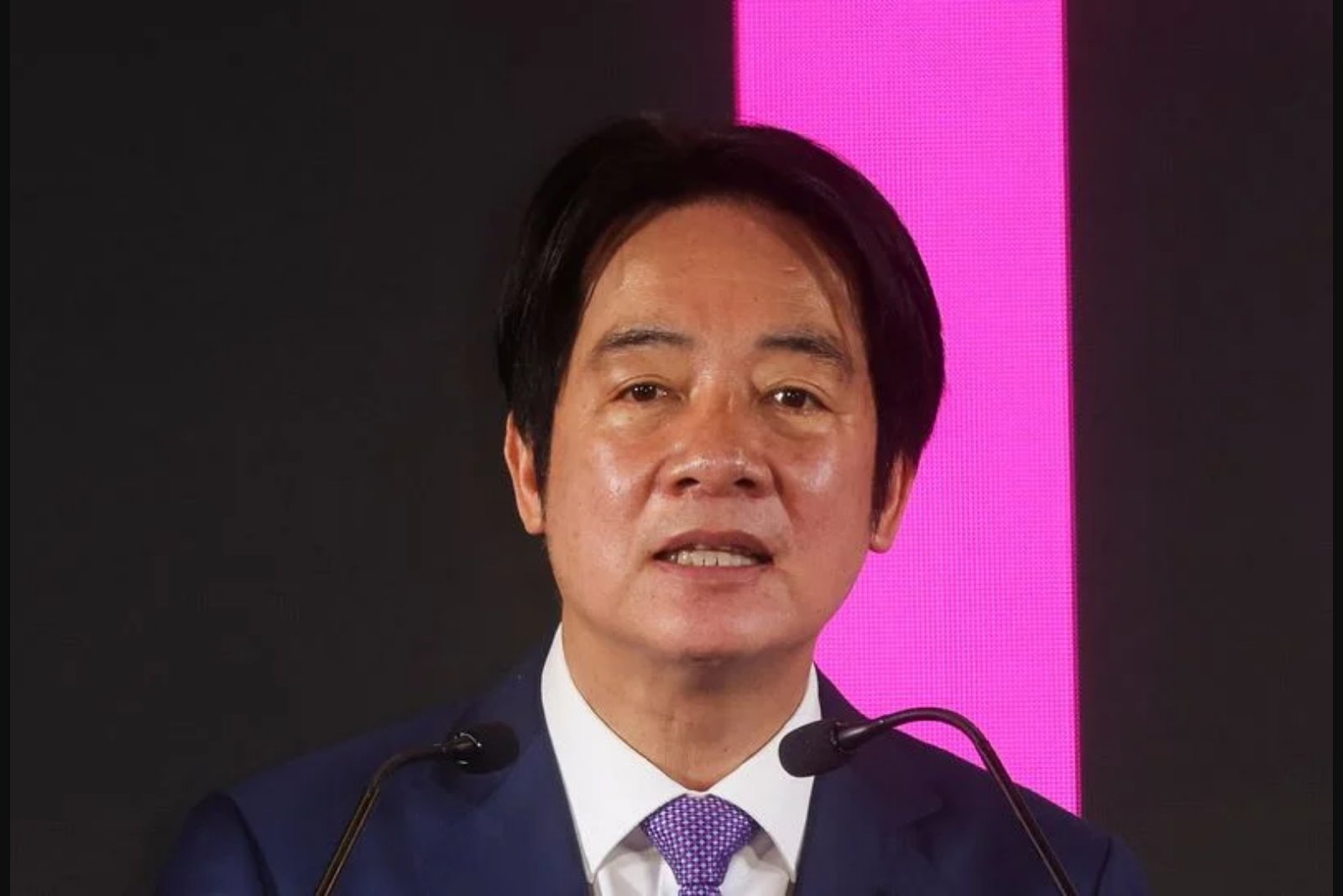
TAIPEI, June 18 - Taiwan President Lai Ching-te on Thursday said he was hopeful that a proposed new arms sale package from the United States would be approved soon, and he pushed back against any framing that Taiwan's efforts to protect itself amount to provocation.

Speaking at the Taiwan Foreign Correspondents' Club in Taipei, Lai underscored what he described as an ongoing U.S. security commitment to Taiwan. He urged Taipei to persist in strengthening its defensive capabilities and to avoid slowing its efforts.

"The key is that Taiwan must not change course in strengthening its own defence capabilities, nor can it slow its pace," he said.

Lai said Taiwan intends to "continue to maintain close communication with the U.S. government, and we also hope the arms purchases can be approved as soon as possible."

The president's remarks came amid heightened tensions with Beijing, which regards democratically governed Taiwan as part of its territory and has increased both military and diplomatic pressure on the island. Lai noted that China has labelled him a "separatist" and has rejected his repeated offers to hold talks.

He reiterated his preference for negotiations carried out on a basis of "parity and respect," while affirming that Taiwan retains the right to safeguard its interests and that decisions about Taiwan's future belong solely to its people.

"Taiwan’s safeguarding of its own national security and maintaining its democratic and free way of life, its refusal to accept unification, and its refusal to accept rule by the Chinese Communist Party should not be seen as a provocation against China," Lai added.

The president's statements also followed public attention to comments made last month by U.S. President Donald Trump after his meeting with Chinese President Xi Jinping in Beijing. Trump said he was still weighing whether to approve new arms sales for Taiwan and described them as a "very good negotiating chip" with China. Those remarks contributed to unease in Taipei regarding the timing and certainty of future U.S. arms approvals.

Lai's comments emphasize a two-track approach: pressing ahead with defence enhancements and seeking diplomatic engagement with Beijing on terms Taiwan deems acceptable, while maintaining close ties and dialogue with Washington about security assistance.


Context note: The information above reflects the statements made by Taiwan's president during his public remarks and references reported comments by the U.S. president as discussed in those remarks.

Risks

  • Uncertainty over the timing and approval of the U.S. arms package - creates short-term ambiguity for defence procurement and related industries.
  • Escalating military and diplomatic pressure from China and Beijing's rejection of dialogue with Lai - raises geopolitical risks for cross-strait relations and companies exposed to regional tensions.
  • Perceptions that Taiwan’s defence strengthening might be viewed as provocative by China - could increase volatility in sectors sensitive to geopolitical developments, including defence and trade-reliant industries.

More from World

Obama Presidential Center to Open in Chicago as New Civic and Cultural Hub Jun 18, 2026 Mixed Feelings in Canada as World Cup Co-Hosting with U.S. Draws Heat Jun 18, 2026 Rebuilt Azov Corps Targets Mariupol and Russian Supply Lines with Drone Campaign Jun 18, 2026 Thailand Revives $30 Billion 'Land Bridge' Corridor to Link Andaman and Gulf Coasts Jun 18, 2026 South Korea’s Lee Says G7 Dinner With Trump Advanced Talks on Peninsula Peace, Leaves With President’s Pen Jun 17, 2026