
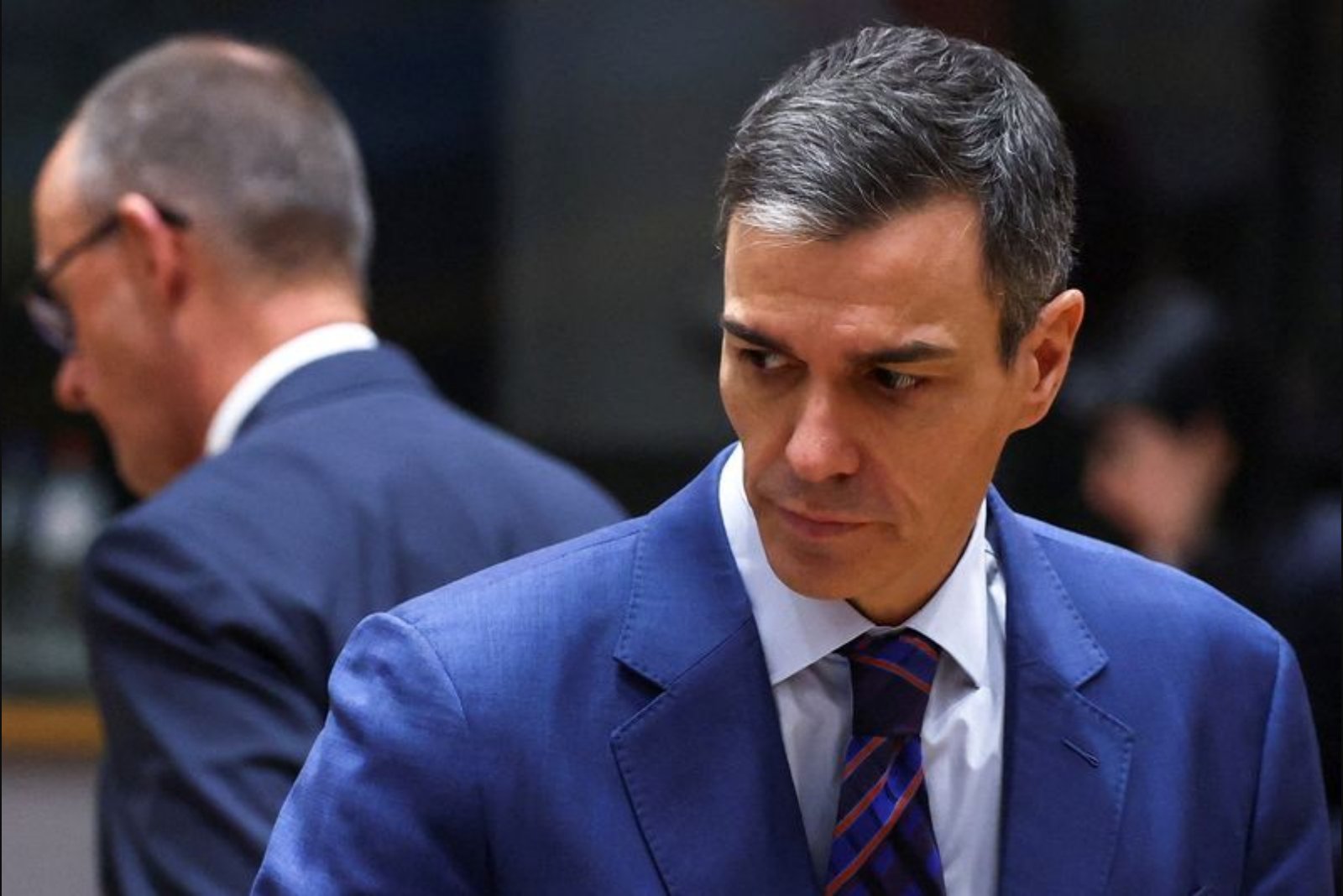
Spanish Prime Minister Pedro Sanchez has departed for China for the fourth straight year, signaling a clear intent to maintain an independent foreign policy approach that diverges from the posture of U.S. President Donald Trump. The visit, scheduled to last three days, will bring Sanchez into direct discussions with China’s top leadership and include meetings intended to promote commercial ties in sectors ranging from energy and infrastructure to technology and biosciences.
Madrid’s strategy has emphasized expanding trade and treating China more as a strategic partner than as the economic and geopolitical rival portrayed by the U.S. administration. The repetition of these annual trips highlights Sanchez’s resolve to chart a course distinct from Washington, despite persistent strains in relations with the United States over issues such as landing rights for U.S. forces and Spain’s defence spending levels.
Sanchez’s critics in both business and political circles argue that the prime minister’s public distancing from U.S. policy has the potential to impose costs on Spain. Firms and opposition politicians warn that heightened friction with the U.S. administration could be damaging for trade and investment, given the United States’ role as a leading foreign investor and a major trading partner in sectors that are central to the Spanish economy.
Diplomatic agenda and meetings
During the visit Sanchez will hold talks with President Xi Jinping, and will also meet China’s premier, Li Qiang, and top legislator, Zhao Leji. These encounters will include a formal state banquet hosted by Xi for Sanchez and his wife Begona. Officials have said the meeting with Xi will focus on geopolitics, reflecting Madrid’s view of China as a stabilising actor on global issues.
On the first day of the trip, Sanchez is scheduled to visit the headquarters of technology firm Xiaomi and to chair a forum bringing together Spanish and Chinese companies active in energy, infrastructure, bioscience and technology. He will also meet with international relations specialists and deliver a speech at Beijing’s Tsinghua University. These events aim to showcase commercial opportunities and to support efforts to rebalance trade flows that have increasingly favoured Chinese exports to Spain.
Investment and trade figures highlighted by officials
Chinese investment in Spain has risen notably in recent years, according to data cited by government sources. In 2025 Chinese firms invested 643 million euros in Spain, up from 149 million euros the previous year, bringing cumulative investment between 2010 and 2025 to 9.7 billion euros. The bulk of those investments has concentrated in extractive industries and the energy sector.
Madrid is hoping the visit will contribute to narrowing a trade deficit that has widened significantly, with officials noting it has more than doubled over four years to nearly $50 billion in 2025. Spanish authorities are seeking ways to boost agricultural and manufacturing exports to help offset the high volume of Chinese imports.
Business delegation and commercial expectations
Despite the emphasis on commercial ties, Sanchez is not traveling with a business delegation this time, and there are no major deals publicly scheduled. Officials have said, however, that they hope to finalise a regionalisation agreement to permit Spanish poultry exports affected by bird flu outbreaks. The government points to a previous regionalisation accord for the pork industry as an example of how such arrangements can protect lucrative export markets during disease-related disruptions - a measure credited with helping the sector during a recent African swine fever outbreak.
Domestic and international reaction
The prime minister’s posture has broad public support at home, but it has unsettled some businesses and opposition figures who fear diplomatic friction with the United States could have economic repercussions. A senior opposition source has warned against further criticism of U.S. policy while Sanchez is in China, arguing that antagonising the U.S. president risks undermining NATO unity and could jeopardise the U.S. military presence in Spain.
Representatives of Spanish exporters have expressed concern that prioritising geopolitics in discussions with China may exacerbate trade challenges already complicated by U.S. tariffs on imports from the European Union. Ramon Gascon Alonso, Asia-Pacific coordinator at Spain’s Exporters’ and Investors’ Club, said that an intensified geopolitical focus could make Spain’s already fragile trade position worse, noting the importance of U.S. investment and trade for vital domestic industries.
China’s ambassador to Spain, Yao Jing, has described the bilateral relationship in positive terms, saying that warm relations have encouraged Chinese companies to invest and that Spain approaches China with its own judgment and interests while seeking access to Chinese markets.
As Sanchez pursues engagement with Beijing, Spain faces a balancing act between courting Chinese capital and markets and managing a strategically important relationship with the United States. Officials involved in the planning of the trip are placing particular emphasis on trade and sectoral opportunities in energy, infrastructure, bioscience, and technology, while also managing sensitive defence and diplomatic considerations raised by Spain’s NATO allies.