
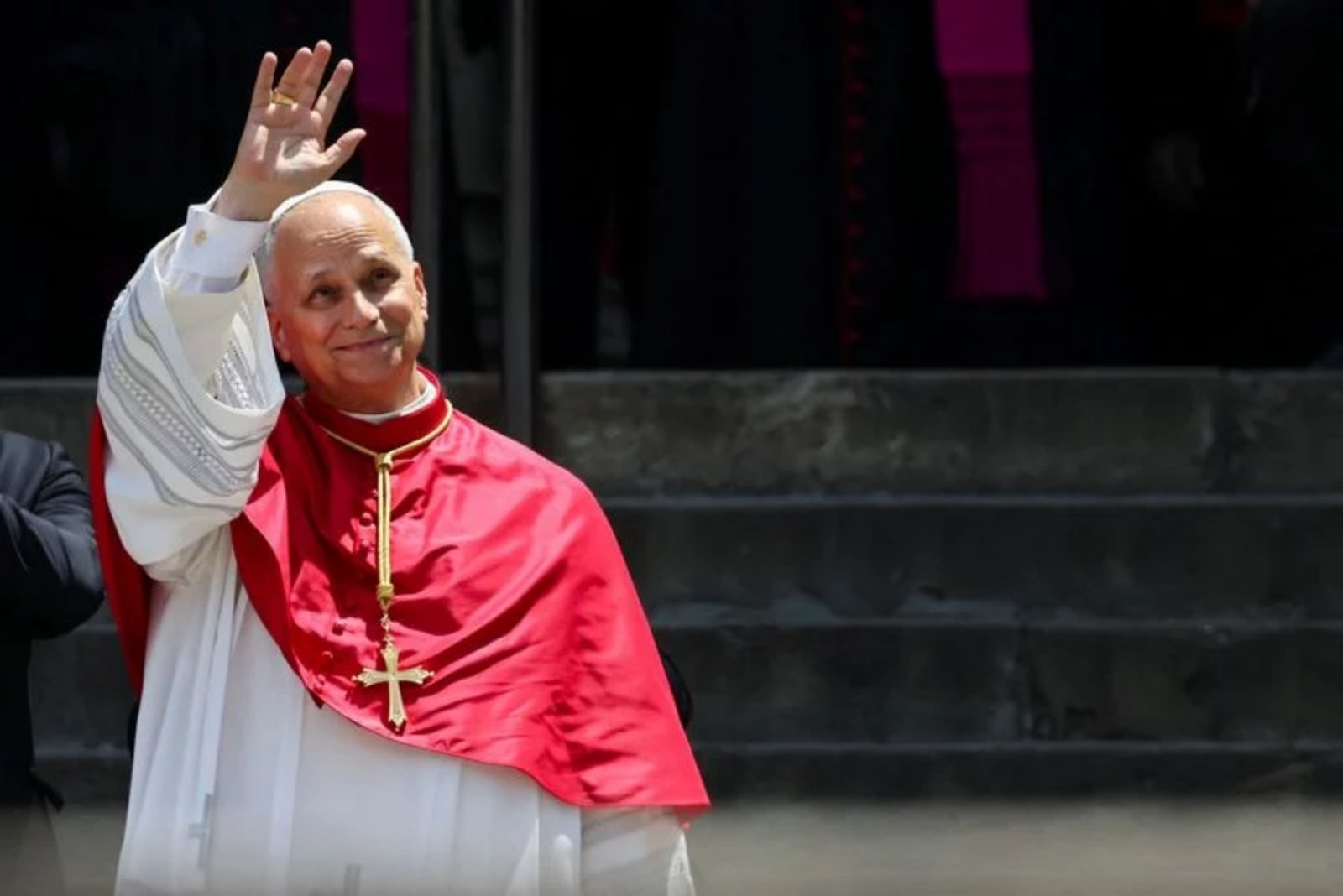
Pope Leo’s first-ever visit to Spain’s Canary Islands, beginning on Thursday, is drawing attention to how migrants who reach the archipelago are treated and cared for, church leaders and migrants say. The pontiff will visit the port of Arguineguin on Gran Canaria and a migrant centre on Tenerife, and he is scheduled to meet more than 1,000 migrants, according to local accounts.
The port of Arguineguin has been a focal point of criticism in recent years. In 2020 a local mayor described conditions there as "subhuman" after around 1,000 migrants were left stranded on the dockside and thousands slept outdoors. The pope’s planned stop at the port comes as the islands contend with a decade-long surge in irregular migration that has stretched reception capacity and local services.
Local church leaders see the visit as a potential turning point. Jose Mazuelos, bishop of the Canary Islands, told Canarias7 newspaper that the pope’s presence could transform the so-called "port of shame" into a "port of hope". He said he hoped the visit would help bring an end to the Atlantic route and encourage a humane, comprehensive approach to migration, and he urged Europe to take a more proactive role in addressing the issue.
The pope himself during a stop in Madrid on Monday said that the lack of support for the world’s migrants was challenging "the ethical foundation of the international order". His remarks will frame the Canary Islands visit as much of a moral appeal as a pastoral one.
The seven-island archipelago, located more than 1,000 kilometres from mainland Spain and off the Atlantic coast of northwestern Africa, saw a record 46,843 irregular migrant arrivals in 2024, official figures show. That number contrasts with fewer than 1,000 arrivals in 2015. One small island, El Hierro, which has a population of roughly 11,000, faced in 2024 an influx of arrivals equivalent to about twice its population.
Arrivals declined in 2025, falling by 60% from the previous year to 17,788 after Spain signed agreements to tighten migration controls with countries such as Mauritania. Nonetheless, departures continue from as far away as The Gambia and Guinea-Bissau, increasing time at sea on an already dangerous route.
Human cost figures remain grave. The NGO Caminando Fronteras reported that more than 3,000 people died in 2025 while attempting to reach the Canary Islands.
Voices from the islands and among migrants underscore a mix of gratitude and urgent requests for support. Lamine Endour, who arrived in the islands from El Aaiún in Western Sahara in 2018, said he wanted to thank the pope and also to ask for more support so the islands can continue helping migrants. "I want to thank him for everything he does, but also to ask for more support for the Canary Islands, so they can continue helping migrants," he said.
Darwin Rivas, a priest on El Hierro who has participated in emergency response teams assisting arrivals, said he expected the trip to shift the international focus away from border control and toward human dignity. Rivas, who moved to the Canaries from Venezuela, said the visit was already touching hearts and should serve to prompt discussion about immigration policies. He is scheduled to speak at one of the pope’s meetings.
The pope will also head to a migrant centre on Tenerife and hold a nearby meeting with more than 1,000 migrants. Those attending include people who survived often-deadly crossings from Africa on overcrowded boats and others who arrived from Latin America.
Spain has taken a more open stance toward migrants than much of the rest of Europe, introducing a programme to grant residency to more than half a million undocumented people. Despite the programme’s scale, it has been criticised by far-right leaders in Spain and elsewhere in Europe, and the country is struggling with slow progress in granting legal status to thousands who remain in limbo.
Processing and transfers often move slowly. Many migrants lack documentation, and it frequently takes months or even years for them to be processed and moved to the mainland. Adults may obtain legal permission to stay and work in Spain, while unaccompanied minors generally remain in the Canary Islands, where they receive education and refugee support until they reach 18.
Ruth Socorro, a 57-year-old Peruvian migrant now living in Gran Canaria who will attend a meeting with the pope, reflected on the visit in human terms. She said it mattered because migrants are human beings just like anyone else, who often have left much behind. "He cares because we are human beings just like anyone else; it’s just that we come from other countries and have left so much behind, but in the end we are all the same," she said.
The pope’s Canary Islands itinerary will continue to draw attention to the humanitarian and administrative challenges posed by irregular migration to the archipelago. Local leaders and migrants hope the visit will galvanise action and resources, while official figures and NGO reports underline both the scale of recent arrivals and the ongoing dangers of the Atlantic crossings.