
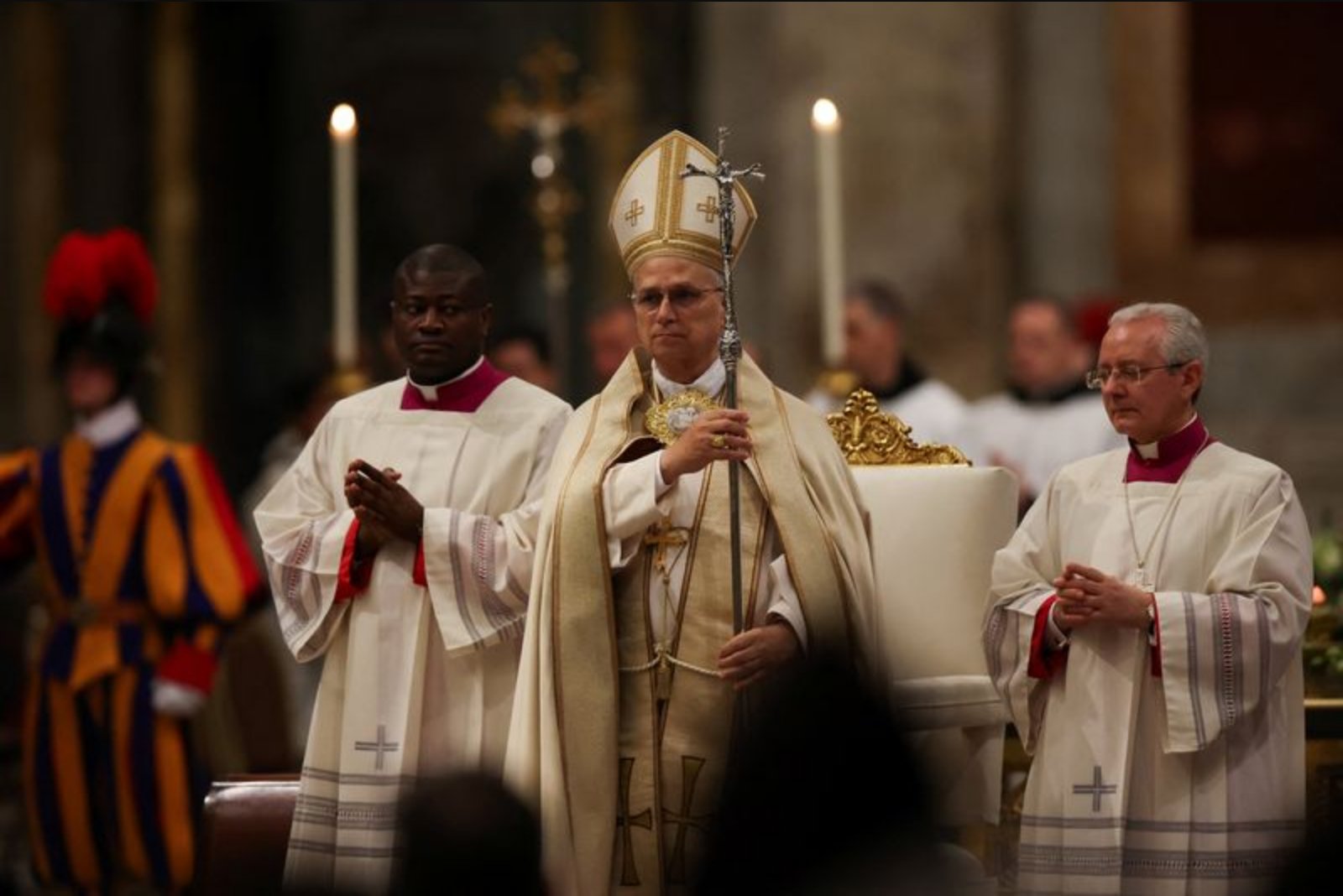
Pope Leo said on Sunday he was deeply troubled by reports of increasing strain between the United States and Cuba and appealed for calm through dialogue rather than confrontation.
Speaking after his weekly Angelus prayer, the pope said he had received information "with great concern" about the growing tensions and aligned himself with Cuban bishops who have urged authorities to pursue "sincere and effective dialogue to avoid violence and further suffering for the Cuban people."
The pope's remarks came after U.S. President Donald Trump last week warned that tariffs would be levied on imports from countries that provide oil to Cuba. That announcement intensified pressure on Cuba following the early January removal of Venezuelan President Nicolas Maduro - a figure identified in reports as a principal ally of Havana.
President Trump framed the tariff threat as necessary to safeguard "U.S. national security and foreign policy from the Cuban regime’s malign actions and policies," according to his statements last week. He also predicted that "Cuba will be failing pretty soon," noting that Venezuela, which had been the island's main oil supplier, had not recently sent oil or money to Cuba.
In response to the U.S. tariff warning, Cuba's Foreign Minister Bruno Rodriguez declared an "international emergency," describing the U.S. announcement as "an unusual and extraordinary threat."
On Saturday, the president again urged negotiations between Cuba and the United States. While speaking to reporters aboard Air Force One en route to Florida, he said, "It doesn’t have to be a humanitarian crisis," and reiterated his call for talks.
The pope did not elaborate on specific diplomatic steps, but his public appeal after the Angelus mirrored the messaging from the Cuban bishops in calling for engagement that can avert violence and further humanitarian harm. The various statements - from the Vatican, from Havana, and from Washington - underline how the dispute has drawn responses from religious leaders, national governments, and foreign ministries.
As events stand, the discourse centers on potential economic measures tied to oil supplies, the humanitarian consequences of escalating tensions, and appeals for negotiation as an alternative to punitive actions.